
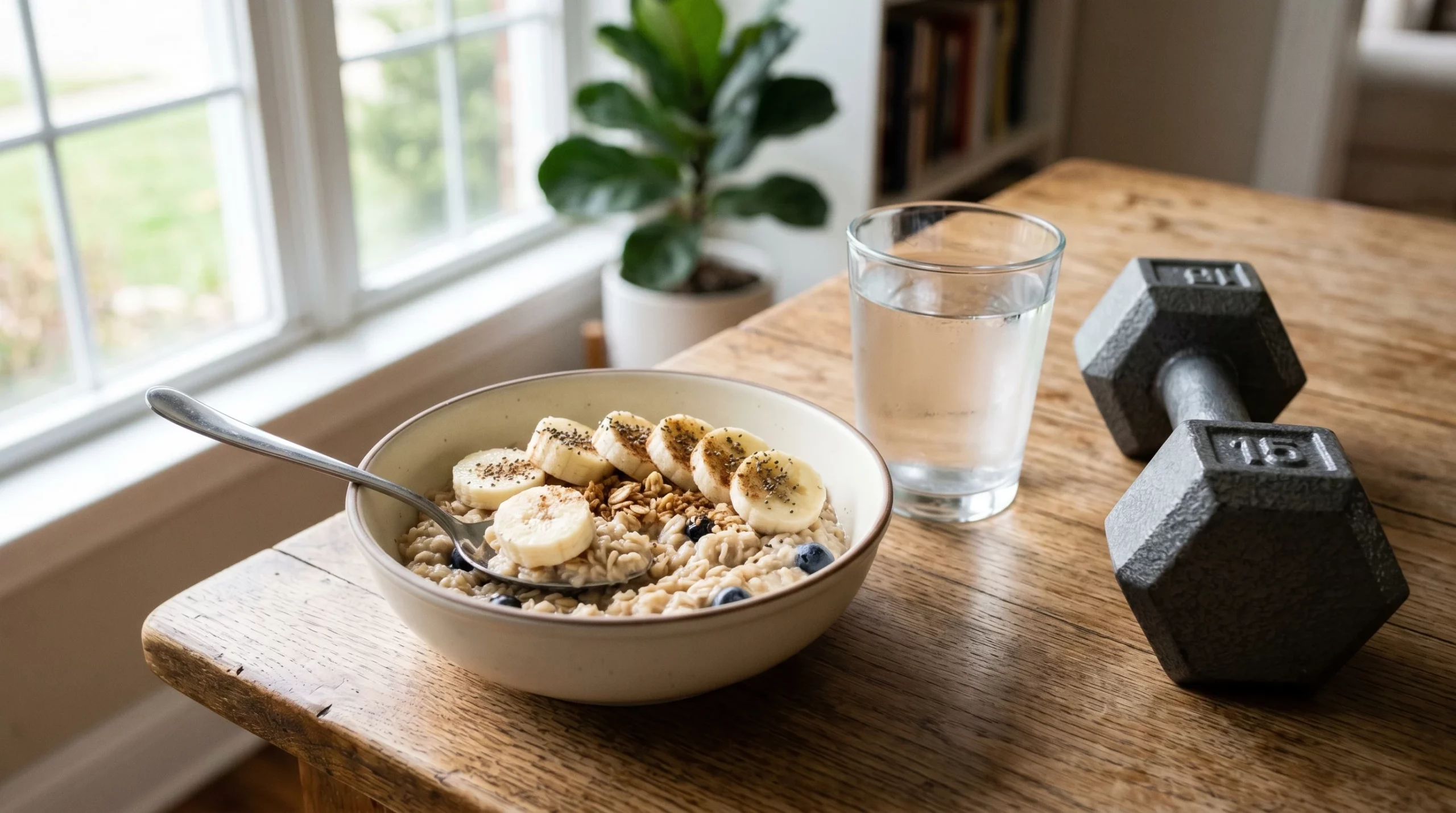
What you eat before a workout can play a big role in how much energy you have, how well you perform, and how ready your muscles are to grow. For many beginners, the world of pre-workout nutrition can feel confusing, especially with all the different advice online. This guide covers the fundamentals of pre-workout nutrition using evidence-based recommendations that can help beginners fuel their workouts and support muscle growth. This guide answers common questions about what to eat before a workout for muscle growth, looking at the role of carbohydrates, protein, fats, and the best meal ideas for both morning and evening training sessions.
Quick Answer
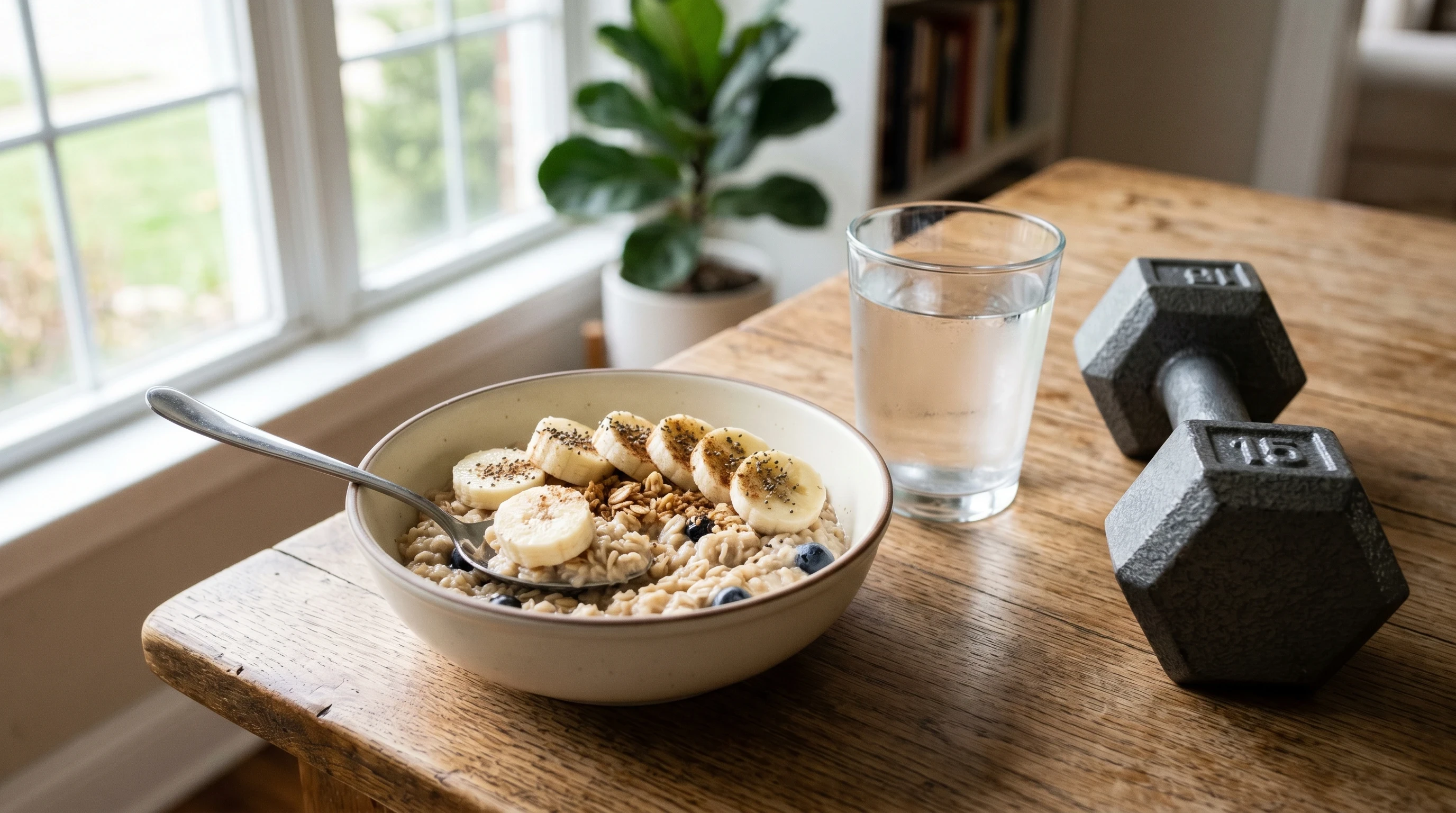
For muscle growth, most beginners should eat a meal containing carbohydrates and protein about 1–3 hours before training. Carbohydrates help provide energy for strength training, while protein supplies amino acids that support muscle repair and growth. Good pre-workout options include chicken and rice, Greek yogurt with oats and fruit, or a whey protein shake with a banana. While pre-workout nutrition can improve training performance, total daily calories, protein intake, progressive overload, and recovery remain the most important factors for building muscle.
Table of Contents
- Quick Answer
- Understanding Pre-Workout Nutrition Basics
- Why Pre-Workout Nutrition Can Improve Training and Muscle Growth
- Do Beginners Need to Eat Before Every Workout?
- Carbohydrates: The Main Fuel for Training
- Protein: Supporting Muscle Repair and Growth
- Fats: Energy and Satiety, but in Moderation
- How Long Before A Workout Should I Eat for Muscle Growth?
- What to Eat 2–3 Hours Before Training
- What to Eat 60–90 Minutes Before Training
- What to Eat 30–60 Minutes Before Training
- Best Foods to Eat Before a Workout for Muscle Growth
- Example Beginner Pre-Workout Meals
- What to Eat Before Early Morning Workouts
- What to Eat Before Evening Workouts
- Hydration Before Training
- Foods That May Cause Discomfort Before Training
- Common Beginner Pre-Workout Nutrition Mistakes
- Beginner Bodybuilding Guides on Lift & Nurture
- Frequently Asked Questions
- How Pre-Workout Nutrition Fits Into a Complete Muscle-Building Plan
- About the Author
Understanding Pre-Workout Nutrition Basics
Pre-workout nutrition is all about what you eat in the hours before exercise. The aim here is to set yourself up for enough energy during training, support muscle repair, and make sure you’re making steady progress in the gym. Eating the right foods before exercise can help you feel more focused, allow you to push harder, and bounce back quicker after workouts. At the same time, keep in mind that your overall daily calories and protein make a bigger difference for muscle growth than just a single meal. Pre-workout nutrition mainly gives you a boost for your sessions, especially if you’re consistently training several times a week.
Why Pre-Workout Nutrition Can Improve Training and Muscle Growth
When you eat before training, you give your body the nutrients it needs for energy and to keep muscles working smoothly. Studies show that eating carbs before training can amp up your energy, while having protein helps muscles recover and grow. A balanced meal or snack can give you the fuel for better training, which can lead to faster muscle growth over time, as long as you also have good training and recovery habits. Evidence-based guidelines from groups like the International Society of Sports Nutrition (ISSN) agree that daily nutrition is most important, but your pre-workout choices do influence each session and your results in the long run.
It’s important to realize that what works for one person might not work for another. Some beginners perform great training fasted, but others need a light snack or meal beforehand, especially if sessions are intense or last for over an hour.
Do Beginners Need to Eat Before Every Workout?
It comes down to when your last meal was, how you’re feeling, and your daily schedule. If you’ve eaten within the past three hours, you might not need another snack. Still, many people find that having carbs and a little protein 1–2 hours before working out gives the best results. Some can get through a workout with no food, but others get dizzy, distracted, or tired. Experimenting with different meal timings can help beginners identify what feels best for their energy levels, performance, and digestion.
Carbohydrates: The Main Fuel for Training
Carbohydrates are your muscles’ favorite fuel during strength training and other tough workouts. Eating carbs before hitting the gym helps fill your muscles with glycogen (stored carbs), keeping you strong, focused, and less fatigued.
For beginners focused on muscle growth, carbohydrates can provide the energy needed to maintain training performance, complete more quality sets, and progressively increase training volume over time.
A number of studies suggest that consuming carbs before training lets you put in more effort, so you get more out of your routine—a critical benefit if muscle growth is your main goal.
Some top carb options for pre-workout meals include rice, oats, bread, potatoes, fruit, and grains. Fast-digesting choices like bananas or white bread kick in quickly if you only have 30–60 minutes before working out.
Protein: Supporting Muscle Repair and Growth
Protein has the amino acids your body needs to repair and build muscle after those tough sessions. Including about 20–30 grams of protein for most adults before a workout feeds your muscles the right building blocks. Research shows that pre-workout protein can help pump up muscle protein synthesis—the process by which your body builds new muscle tissue. Many beginner fitness plans suggest you pair protein with carbs for the best effect.
Top protein options before exercise are chicken, Greek yogurt, eggs, cottage cheese, or a scoop of whey protein mixed with water or milk. These are all easy to adjust for portion size and taste preferences.
Fats: Energy and Satiety, but in Moderation
Fats give you steady energy but take longer to digest. Eating a heavy high-fat meal just before the gym can make you feel weighed down or even a bit sluggish. It’s fine to have a bit of healthy fat—think peanut butter, nuts, or olive oil—but try to keep it moderate right before a workout to avoid stomach discomfort.
How Long Before A Workout Should I Eat for Muscle Growth?
Meal timing comes down to your comfort and routine, but some tried and true timing windows work well for most:
- 2–3 hours before: Balanced meal with carbs, protein, a bit of healthy fat
- 60–90 minutes before: Lighter meal or filling snack focused on quick carbs and some protein
- 30–60 minutes before: Small snack, mostly carbs, little bit of protein
Larger meals need more digestion time—eating two or three hours ahead of training often feels best. Snacks closer to workout time should be low in fat and fiber for easy digestion.
What to Eat 2–3 Hours Before Training
If you plan a big meal about 2–3 hours before training, include carbs, lean protein, and maybe a touch of healthy fat. Examples of balanced pre-workout meals include:
- Grilled chicken breast, brown rice, and steamed broccoli
- Egg omelet with potatoes and a slice of wholegrain bread
- Baked salmon, sweet potato, and green beans
These meals offer enough energy and protein to carry you through, plus plenty of vitamins and minerals for overall wellness.
What to Eat 60–90 Minutes Before Training
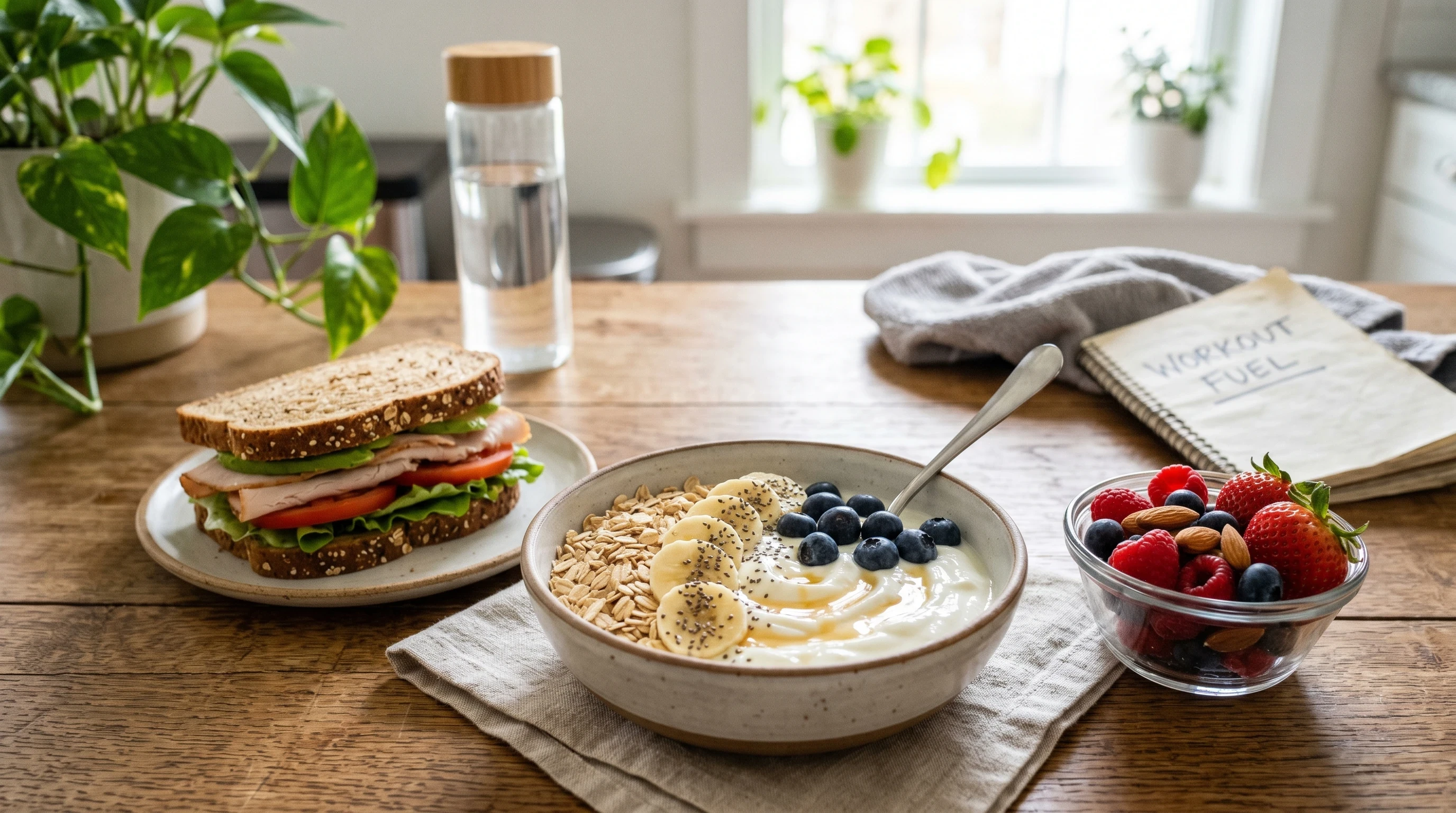
Closer to workout time, go for lighter meals or hearty snacks that don’t sit heavy in your stomach:
- Lowfat Greek yogurt mixed with banana and oats
- Turkey or chicken sandwich on wholegrain bread
- Oatmeal made with low-fat milk and berries
- Rice cakes with cottage cheese and apple slices
These are easy to make, quick to digest, and give you a nice blend of carbs and protein to keep you fueled.
What to Eat 30–60 Minutes Before Training
If time’s really tight, pick small snacks that won’t weigh you down:
- Banana and a scoop of whey protein in water
- Piece of toast with honey
- Dry cereal with low-fat milk
- Fruit smoothie with a scoop of Greek yogurt
These provide quick, usable energy. Many evidence-based coaches and sports nutrition educators recommend this style for workouts performed shortly after waking or following long gaps between meals.
Best Foods to Eat Before a Workout for Muscle Growth
When building your pre-workout meal, don’t overthink it—keep it simple and affordable. Try some of these staples:
- Lean meats: chicken, turkey, fish
- Eggs or egg whites
- Lowfat or nonfat dairy: Greek yogurt, cottage cheese, milk
- Oats, rice, potatoes, wholegrain bread or pasta
- Bananas, apples, berries, grapes (fruit-based carbs)
- Whey or plant-based protein powder
Mix two or three items together for a quick, well-rounded meal. If you’re looking for more foods that support muscle growth, see these best foods for building muscle.
Example Beginner Pre-Workout Meals
Here are sample meals you can build from, matched to how much time you have before your session, inspired by ISSN guidelines and top educators:
- 2–3 hours before: Grilled chicken, sweet potato, broccoli
- 1–2 hours before: Low-fat Greek yogurt with oats and berries
- 30–60 minutes before: Whey protein shake and a banana
- Post-workout: Chicken and rice or a turkey sandwich
Feel free to swap seasonings, sauces, or sides so these meals match your preferences and needs.
What to Eat Before Early Morning Workouts
If you hit the gym early, you might not want a heavy meal. Most people do fine with something quick and easy, like a banana or protein shake. Some train on an empty stomach, and while that can be okay for light activity, having just a bit of carbs and protein really helps boost performance and muscle growth. Research from the ISSN and coaches like Layne Norton back this up.
Some quick morning options are:
- Banana and milk
- Piece of toast and peanut butter
- Protein shake and a little fruit
If you just can’t stomach food before a workout, be sure to eat a solid post-workout meal with both carbs and protein right afterward.
What to Eat Before Evening Workouts
Evening training usually means you’ve eaten throughout the day. Go with a balanced meal about two hours before the gym, like rice with lean meat and vegetables, or pasta with chicken and tomato sauce. If you’re hungry right before you head out, try one of the lighter snack ideas from earlier.
Hydration Before Training
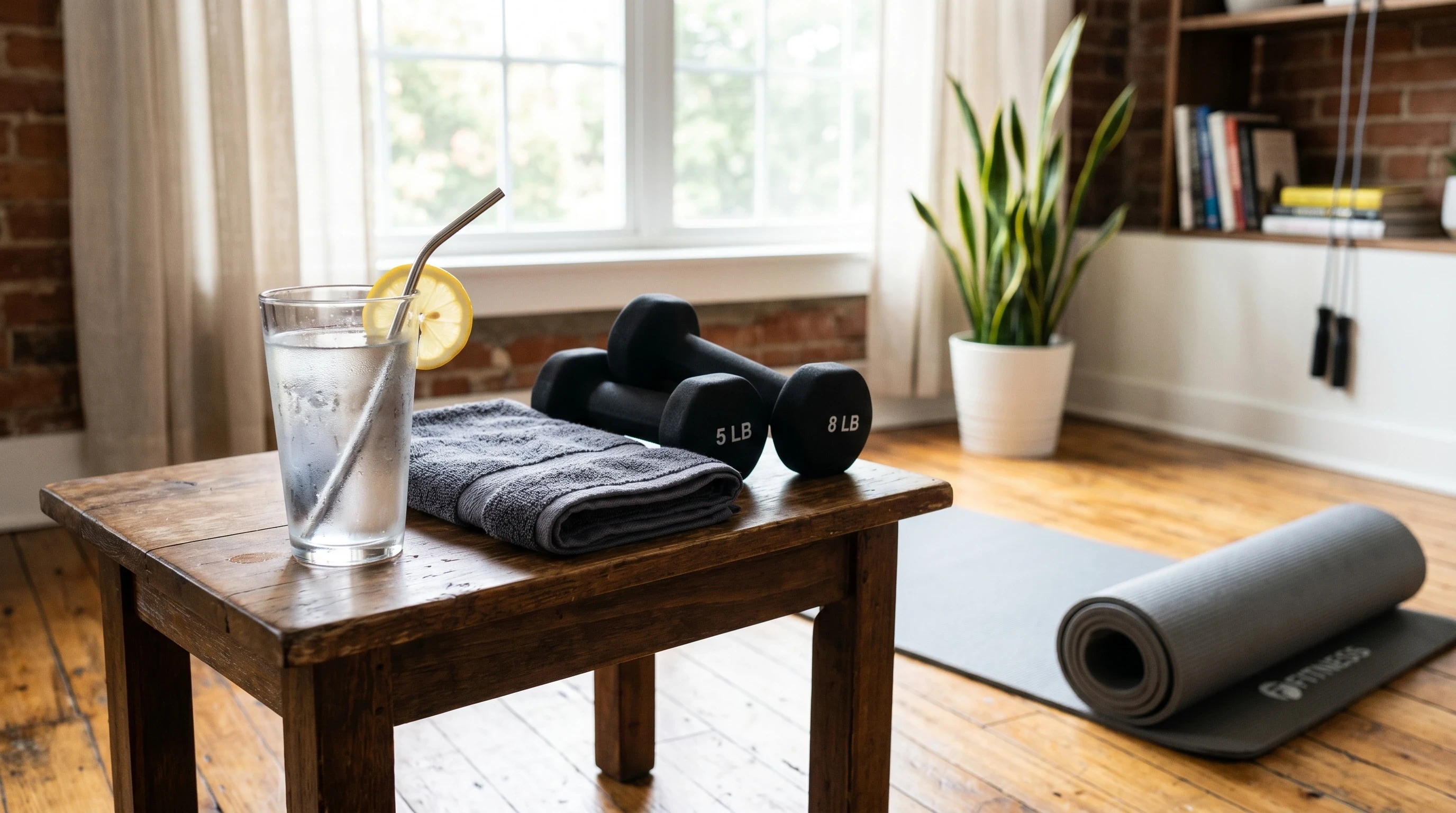
Good hydration before your workout is super important for performance. Even mild dehydration can zap your strength and focus, and reduce endurance. Drinking a glass or two of water with a pre-workout meal or snack can help support hydration and training performance. Sports drinks are only needed for long, sweaty workouts in the heat. For most beginners, plain water is just right. The ISSN recommends you listen to your body and drink as needed based on your own sweat levels and comfort.
Foods That May Cause Discomfort Before Training
Some foods can upset your stomach or leave you feeling gassy and bloated if eaten too soon before training. Avoid heavy, fatty foods (like fried things or bacon), very high fiber meals (like lots of beans or big salads), and spicy dishes close to workout time. Current research suggests sticking to light, easy-to-digest foods for the smoothest training experience.
Common Beginner Pre-Workout Nutrition Mistakes
- Skipping breakfast before early morning exercise, then running low on energy mid-session
- Eating a super large meal right before hitting the gym, which can cause nausea or sluggishness
- Ignoring carbs and focusing only on protein, which limits your energy for hard workouts
- Not drinking enough water before exercise, which can lower your strength and stamina
- Relying on expensive supplements instead of building a routine out of regular food
The recipe for success is to keep things balanced—fit your meals around your personal needs, timing, and budget.
Beginner Bodybuilding Guides on Lift & Nurture
If you’re learning how to build muscle as a beginner, pre-workout nutrition is only one piece of the puzzle. These beginner-friendly guides can help you build a complete muscle-building foundation:
- Beginner Bodybuilding Workout Plan (12-Week Foundation Blueprint)
- How Much Protein For Beginners To Build Muscle?
- How Many Calories Should Beginners Eat To Build Muscle?
- Muscle Building Nutrition Guide For Beginners
- Full Body Workout Plan For Beginners
- How To Implement Progressive Overload For Beginners
- Muscle Recovery Tips For Beginners
Together, these guides cover the training, nutrition, recovery, and consistency principles that support long-term muscle growth.
Frequently Asked Questions
What should I eat before a workout to build muscle?
A mix of carbs and protein generally works best. Try chicken and rice, Greek yogurt with oats, or banana and a protein shake. Use a big meal if you’ve got plenty of time or a quick snack if you need to eat closer to workout time.
How long before a workout should I eat?
Most feel best with a full meal two to three hours before exercise or a snack 30 to 90 minutes before. Test it out and tweak as needed depending on energy and comfort during your session.
Is it better to eat protein or carbs before a workout?
Mixing both carbs for energy and protein for muscle repair is the best formula for muscle growth and great workouts.
Can I work out on an empty stomach?
Some can, especially for lighter routines, but many beginners get better results with a little carb and protein. Try both ways so you can pick what feels right for you.
What is the best pre-workout meal for muscle gain?
A combo like chicken, rice, and some vegetables is easy, affordable, and effective. Snack choices like Greek yogurt with fruit or a protein smoothie with banana also work well.
What should I eat before a morning workout?
If short on time, grab a banana or a protein shake. With more time, bowl of oatmeal with fruit or a couple slices of toast and eggs can fuel you nicely.
What foods should I avoid before a workout?
Steer clear of heavy, fatty, high fiber, or super spicy foods close to training. Things like bacon, cream-based sauces, a pile of beans, or raw vegetables are often best skipped before gym time.
How much protein should I eat before a workout?
Shoot for about 20–30 grams, easily found in a chicken breast, one scoop of protein powder, or a serving of Greek yogurt.
What should I drink before a workout?
Simple water does the trick for most. If you train hard for more than an hour in hot weather, you can try a sports drink to help with electrolytes. Skip sugary sodas and energy drinks that can leave you crashing.
Does pre-workout nutrition actually matter for muscle growth?
It helps you train harder and do better over time. Still, your total daily calories, the amount of protein, and pushing yourself in workouts consistently matter most. Pre-workout meals make it easier to give your best in each session.
How Pre-Workout Nutrition Fits Into a Complete Muscle-Building Plan
Eating well before your workouts helps you train with more energy for improved results, but muscle growth is about more than just one meal before the gym. To build muscle, focus on getting enough total calories and protein each day, using progressive overload, getting good recovery, and sticking with your plan over the weeks and months. Think of pre-workout nutrition as a practical, enjoyable part of your overall routine—it shouldn’t become a source of stress.
Keep things simple to start, test out different timings and foods, and stay in tune with your body’s feedback. When you combine a steady eating and training schedule, you’ll be set up for ongoing muscle growth and excellent training sessions, wherever your fitness journey starts.
References
- International Society of Sports Nutrition (ISSN). Position Stand: Nutrient Timing. Available at: https://jissn.biomedcentral.com/articles/10.1186/s12970-017-0189-4
- Jeff Nippard. Evidence-Based Nutrition and Muscle Building Educational Content. https://www.jeffnippard.com
- Layne Norton. Evidence-Based Muscle Growth and Nutrition Educational Content. https://biolayne.com
- Renaissance Periodization. Evidence-Based Nutrition and Muscle Gain Educational Content. https://rpstrength.com
About the Author
Angel Carcamo is the founder of Lift & Nurture, a beginner bodybuilding platform focused on structured training, muscle growth fundamentals, and long-term progress.
As someone building Lift & Nurture around beginner-friendly research and structured training principles, Angel creates guides that simplify widely accepted strength training concepts into clear, practical steps.
His guides focus on key fundamentals like progressive overload, recovery, and nutrition, helping beginners build muscle without confusion, shortcuts, or unrealistic expectations.
Start here: Beginner Bodybuilding Roadmap
Foundation guide: Beginner Bodybuilding Workout Plan (12-Week Foundation Blueprint)