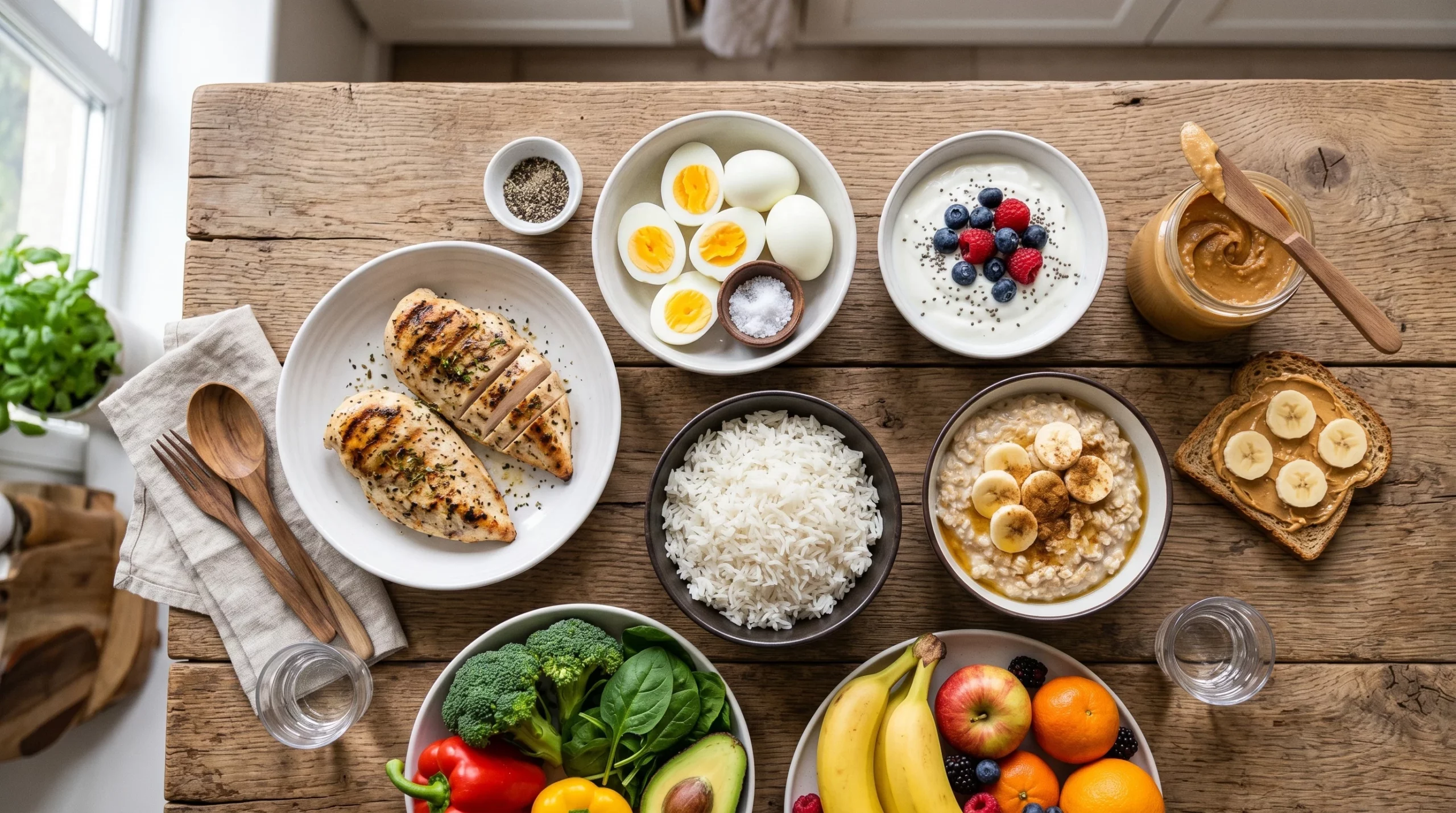
Building muscle as a beginner can feel confusing at first, especially when it comes to figuring out which foods will actually help support your progress in the gym. Seeing results is not just about lifting weights; what you eat plays a really important role in supporting muscle growth, recovery, and energy for good workouts. Many popular beginner programs recommend focusing on foods that are practical, easy to find, and support long term success, not just temporary changes. This guide covers the best foods for building muscle for beginners, breaking down how to use them simply without stressing over “perfection.”
If you’re currently training at home, you may also find this guide on how to build muscle at home for beginners helpful.
Quick Answer
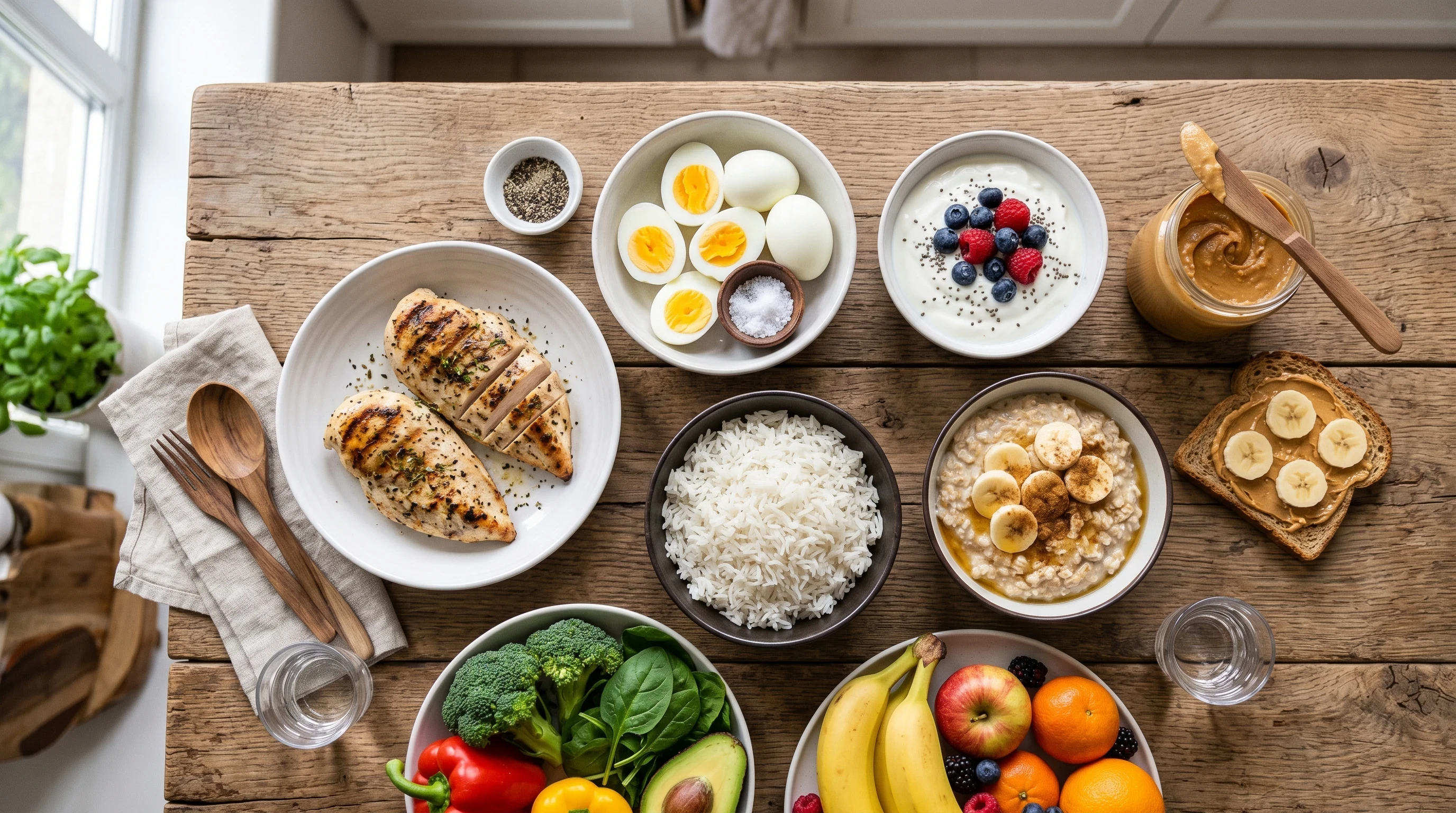
The best foods for building muscle for beginners are foods that provide protein, carbohydrates, healthy fats, vitamins, and minerals. High-protein foods like chicken, eggs, Greek yogurt, lean beef, cottage cheese, fish, and milk help support muscle growth and recovery. Carbohydrate sources such as rice, oats, potatoes, pasta, fruit, and whole grains help fuel workouts and support performance. Healthy fats from foods like nuts, olive oil, peanut butter, avocado, and fatty fish help support overall health and calorie intake. Most beginners build muscle most successfully by focusing on consistent eating habits rather than searching for a single “perfect” food.
Table of Contents
- Why Nutrition Matters for Muscle Growth
- The Role of Protein in Muscle Building
- Why Carbohydrates Help Training Performance
- Why Healthy Fats Are Still Important
- Why Total Calorie Intake Matters for Building Muscle
- What Makes a Food Good for Muscle Building?
- Best High Protein Foods for Beginners
- Best Carbohydrate Sources for Beginners
- Healthy Fats for Muscle Building
- Convenient Beginner Foods for Building Muscle
- Affordable Foods That Support Muscle Building
- Do Beginners Need Supplements To Build Muscle?
- Foods That Beginners Often Overlook
- How to Build Balanced, Muscle Building Meals
- Beginner Meal Examples for Building Muscle
- Practical Beginner Advice for Eating to Build Muscle
- Common Beginner Nutrition Mistakes
- Frequently Asked Questions
- Putting It All Together
Why Nutrition Matters for Muscle Growth
If you want to build muscle, eating enough of the right nutrients is just as important as consistent training and recovery. Muscle growth happens when you challenge your muscles through resistance training and provide your body with the nutrients needed to repair and grow stronger. Research from evidence-based sources, like Renaissance Periodization and educators such as Jeff Nippard, shows that beginners who eat enough protein and calories from balanced meals typically see better progress than those who rely only on workouts. The combination of good nutrition and training really helps your body repair, recover, and grow stronger over time.
The Role of Protein in Muscle Building
Protein is essential because it provides the building blocks (amino acids) your body uses to repair and build muscle tissue after exercise. Many studies recommend that beginners aim for roughly 0.7 to 1 gram of protein per pound of body weight per day, but you don’t need to hit a perfect number every day to see growth. Choosing high protein foods at each meal makes it easier to meet your goals, and most lifters find that hitting a consistent protein target helps them recover faster and supports steady muscle growth. For more information, check out the beginner protein intake guide.
Why Carbohydrates Help Training Performance
Carbohydrates give your body quick energy for tough training sessions and help refill your muscles’ energy stores after workouts. Unlike popular myths, most beginners do not benefit from cutting out carbohydrates. In fact, eating enough carbs supports better training performance by fueling your workouts, which makes it possible to push harder and gradually increase the amount of weight or reps (a principle called progressive overload). Examples include rice, oats, potatoes, bread, pasta, and fruit. For more details, read the Beginner Bodybuilding Workout Plan and see how nutrition ties into performance.
Why Healthy Fats Are Still Important
Fats play a role in keeping your hormones balanced, supporting brain function, and helping your body absorb some vitamins. Common sources like olive oil, nuts, avocado, and fatty fish also add extra calories to support muscle growth. Both saturated and unsaturated fats can be included in a balanced diet, but beginners should focus on unsaturated fats most of the time. Many evidence based programs agree that about 20 to 35 percent of your daily calories coming from fat is a good range for most beginners.
Why Total Calorie Intake Matters for Building Muscle
To gain muscle, your body usually needs more calories than it burns throughout the day; a state known as a calorie surplus. This doesn’t mean eating as much as possible. Instead, small calorie increases above your maintenance level help you gain muscle with less unwanted body fat. If you are unsure of your calorie needs, it’s common for beginners to start with a simple estimate and adjust if results stall. The calorie guide for beginners can help with simple strategies to find your starting point.
What Makes a Food Good for Muscle Building?
- Protein content: Foods high in protein give your body the tools to build muscle tissue.
- Calorie support: Higher calorie foods can help if you have a high metabolism or find it hard to gain weight.
- Nutrient density: Foods supplying vitamins and minerals make it easier for your body to recover and stay healthy. Nutrient-dense foods also support overall health and long-term eating habits, which aligns with recommendations from the World Health Organization Healthy Diet Guidance.
- Practicality: Foods that are easy to prepare, take with you, or store for several days make it easier to stay consistent.
- Recovery support: Foods with nutrients like antioxidants (berries, vegetables) or omega 3s (salmon) can help reduce soreness and improve recovery speed.
- Meal building simplicity: Foods that work in both meals and snacks help you eat enough throughout a busy day.
Beginner Tip:
Building muscle is not about finding one “superfood.”
Most successful beginners build muscle by consistently eating enough protein, calories, carbohydrates, fruits, vegetables, and healthy fats while following a structured workout plan.
Focus on your overall eating pattern rather than trying to find the perfect food.
Best High Protein Foods for Beginners
Most beginners find that keeping a list of practical, budget friendly high protein foods helps remove confusion. These foods support muscle building and recovery, and you can use them at any meal:
- Chicken breast: Lean, widely available, low in fat, and high in protein per serving. Great for lunch, dinner, salads, or wraps.
- Lean beef: Offers iron and B vitamins in addition to protein. Useful for meal prep, burgers, stir fries, and tacos.
- Eggs: Very beginner friendly, versatile, and affordable. The whole egg provides protein and healthy fats.
- Greek yogurt: High in protein and calcium. Works as a quick snack, breakfast, or ingredient in smoothies and sauces.
- Cottage cheese: Packed with casein protein, which digests more slowly and supports overnight recovery.
- Milk: Contains both protein and carbohydrates. Goes well in shakes, cereal, or by itself.
- Salmon and tuna: Both are rich in protein and contain healthy omega 3 fats for added health benefits.
- Protein powder: Whey, casein, or soy powders can be convenient to reach your protein targets, especially after workouts or on busy days.
Best Carbohydrate Sources for Beginners
Choosing foods that provide both steady and quick energy helps you train harder and recover faster. Popular options include:
- Rice: Very easy to prepare and fits into lots of beginner meal combinations. White or brown rice both work.
- Oats: Great for breakfast or snacks, oats contain fiber and help keep you full for hours.
- Potatoes: Both sweet and white potatoes provide vitamins, minerals, and energy for workouts.
- Pasta: Easy to batch cook and pairs well with many protein foods. Whole grain varieties add extra fiber.
- Whole grain bread: An affordable staple that fits with eggs, deli meats, or nut butters.
- Fruit: Bananas, apples, berries, oranges, and more offer quick energy plus vitamins and antioxidants to support recovery.
Healthy Fats for Muscle Building
Including sources of healthy fat in your muscle building diet can make meals more filling and add calories if you aren’t gaining weight. Practical options include:
- Peanut butter: Really easy to use in sandwiches, oatmeal, or shakes. It provides protein and healthy fat, making it very popular in beginner meal plans.
- Nuts and seeds: Almonds, walnuts, chia seeds, and sunflower seeds offer healthy fats plus a little extra protein and fiber.
- Olive oil: Good for cooking or drizzling over vegetables, pasta, or salads.
- Avocado: Creamy texture and healthy monounsaturated fats, tastes great on toast or with eggs.
- Fatty fish (like salmon): Provides protein plus omega 3s that may help reduce inflammation and support recovery.
Convenient Beginner Foods for Building Muscle
Some days get busy, so having go to foods that require little effort helps keep your nutrition consistent. Here are some convenient options beginners can use when time is limited:
- Ready to eat Greek yogurt cups
- Low fat string cheese or cheese sticks
- Pouches of canned tuna or salmon (wild caught and packed in water or oil)
- Protein bars (look for those with over 15g protein and under 10g added sugar)
- Frozen cooked chicken strips
- Prewashed spinach and salad greens
- Microwaveable brown rice or quinoa packets
Affordable Foods That Support Muscle Building
Muscle building does not require expensive supplements or superfoods. Beginner friendly grocery staples like eggs, canned beans, rice, oats, peanut butter, milk, and frozen vegetables are both affordable and effective. Most lifters find that smart grocery shopping makes a big difference over time, and many reputable educators echo that whole foods should form the foundation of a beginner’s diet.
Do Beginners Need Supplements To Build Muscle?
Most beginners can build muscle successfully without supplements.
Protein powder can be a convenient way to increase protein intake, but it is not required for muscle growth. Whole foods such as chicken, eggs, Greek yogurt, milk, lean beef, fish, beans, and other protein-rich foods can provide everything many beginners need.
Supplements may be helpful for convenience, but they should never replace a balanced diet built around nutritious foods.
Foods That Beginners Often Overlook
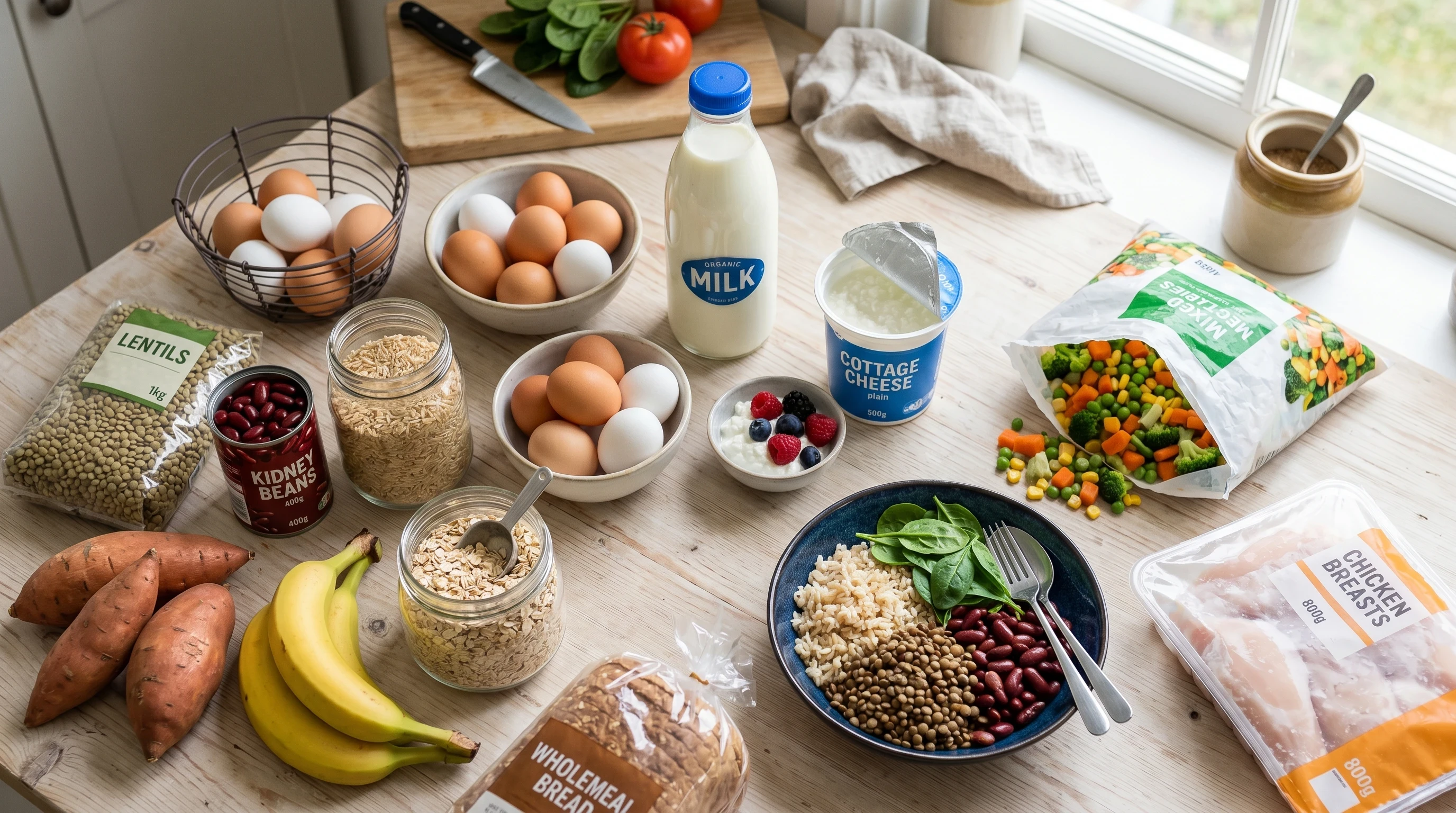
When beginners think about muscle-building foods, they often focus only on chicken, protein powder, or expensive supplements. However, several simple foods are frequently overlooked despite being affordable, nutritious, and effective for supporting muscle growth.
- Milk: Provides protein, carbohydrates, calcium, and calories in one convenient food. It can be useful for shakes, breakfast meals, or increasing overall calorie intake.
- Cottage cheese: Contains casein protein, which digests slowly and can help support recovery between meals or overnight.
- Beans and lentils: Offer a combination of protein, carbohydrates, fiber, vitamins, and minerals. They are also among the most budget-friendly foods available.
- Frozen vegetables: Often just as nutritious as fresh vegetables while being more affordable and lasting much longer. They make it easier to consistently include vegetables in muscle-building meals.
- Eggs: While many beginners know eggs contain protein, they are often underestimated as one of the most versatile and cost-effective muscle-building foods available.
Building muscle does not require exotic foods or expensive supplements. Many successful beginners make excellent progress by consistently eating simple, nutrient-dense foods that fit their budget and lifestyle.
How to Build Balanced, Muscle Building Meals
Evidence based bodybuilding educators, including Layne Norton and sources like Renaissance Periodization, often suggest keeping things simple by building every meal around basic parts:
- Pick a protein source: chicken breast, lean beef, tempeh, eggs, Greek yogurt, etc.
- Pick a carbohydrate source: rice, oats, potatoes, pasta, bread, fruit, etc.
- Add a vegetable or fruit: broccoli, carrots, berries, oranges, spinach, etc.
- Add a healthy fat (optional): olive oil, avocado, peanut butter, nuts, etc.
This approach helps you hit your protein, energy, and nutrient targets without needing recipes or calorie counting apps. Consistency, not perfection, really helps over time.
Beginner Meal Examples for Building Muscle
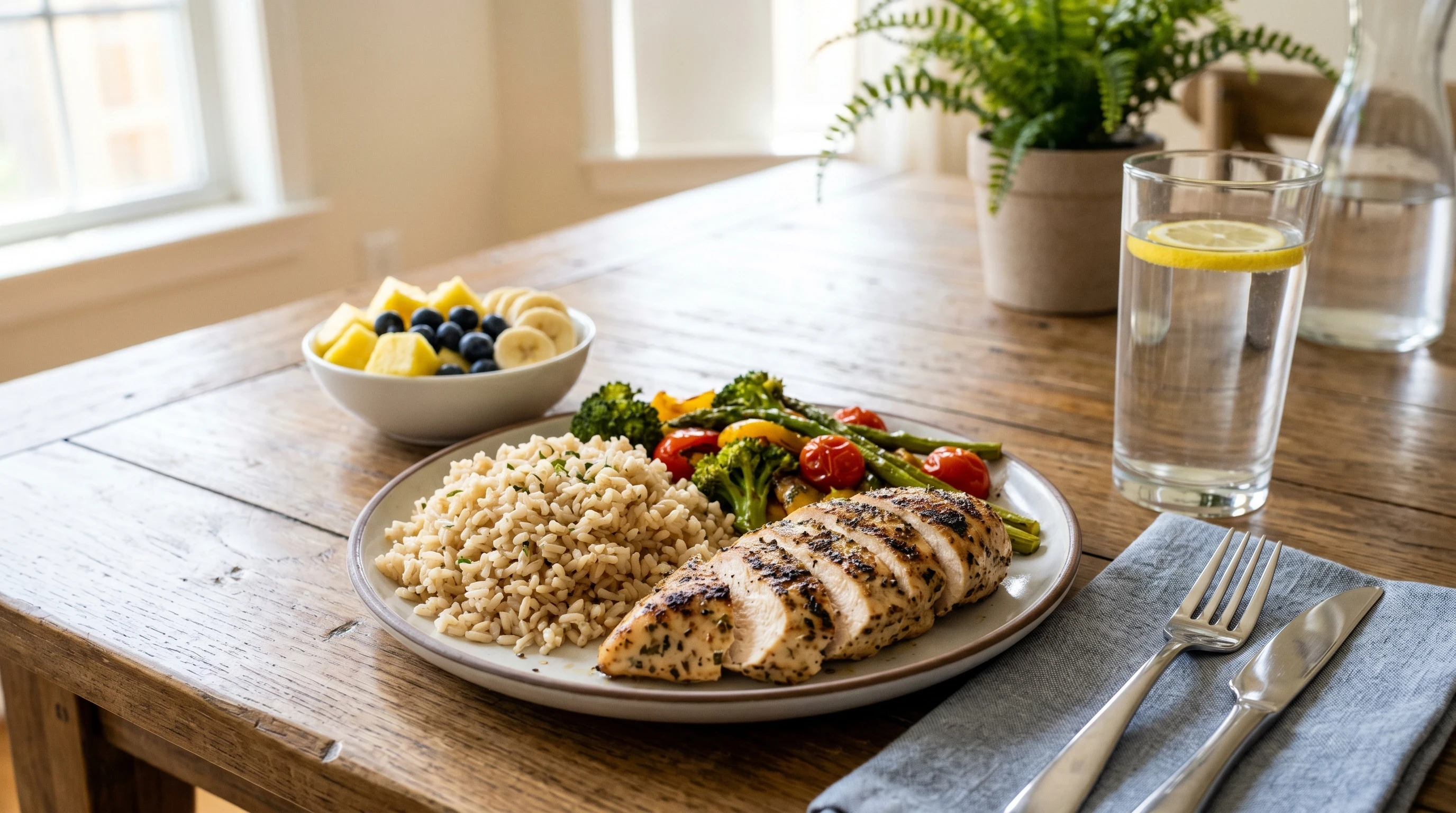
- Breakfast: Oats made with milk, topped with banana and a scoop of peanut butter
- Lunch: Grilled chicken breast, brown rice, and steamed broccoli
- Dinner: Lean beef stir fry with mixed vegetables and white rice
- Snack: Greek yogurt mixed with berries and a handful of almonds
- Post workout: Protein shake blended with milk and a slice of whole grain toast
- Grab and go snack: Cottage cheese cup and an apple
Practical Beginner Advice for Eating to Build Muscle
- Consistency matters more than perfection. Eating the same sources of protein, carbs, and healthy fat at each meal supports muscle growth even on “imperfect” days.
- Supplements are optional. Beginners do not need protein powder or other supplements to make progress; whole foods do the job just fine for most.
- Don’t stress about “perfect” foods. Flexible meal options, including affordable staples and convenient snacks, all count.
- Muscle building takes time. Even with a great meal plan, muscle growth is a slow process that happens with weeks and months of training, eating, and recovery, not overnight changes.
- Recovery matters. Quality sleep, less stress, and managed rest days all support muscle growth; diet is just one piece.
- Use sensible portion sizes for beginners. Eating big meals isn’t required; most eat three to five meals or snacks spaced evenly through the day to make things easy.
For all-in-one help, check out the beginner muscle building nutrition guide on this site.
Common Beginner Nutrition Mistakes
- Eating too little protein, so muscle repair and growth stall
- Avoiding carbohydrates, which can lead to low energy in training
- Relying too much on supplements versus real food
- Being inconsistent; skipping breakfast or daily meals can make building muscle much harder
- Underestimating calorie intake (not eating enough for your goals)
Many of these habits overlap with other common beginner workout mistakes that can slow muscle growth.
Frequently Asked Questions
Question: What foods help build muscle fastest?
Answer: No single food builds muscle fastest. Most lifters see the best results using a mix of high protein foods (like eggs, chicken, Greek yogurt, and tuna), energy sources (rice, oats, potatoes), fruits, vegetables, and healthy fats.
Question: What should beginners eat to build muscle?
Answer: Beginners should focus on simple meals that include a protein (chicken, eggs, yogurt), carbohydrates (rice, pasta, bread), vegetables, fruits, and some healthy fats. Consistency in hitting daily calorie and protein needs is more important than meal perfection.
Question: How much protein do beginners need to build muscle?
Answer: Most evidence-based resources recommend 0.7 to 1 gram of protein per pound of body weight every day. This helps support muscle repair and growth from beginner strength training routines.
Question: Are carbohydrates important for muscle growth?
Answer: Yes. Carbohydrates supply the energy needed for lifting, recovery, and progressive overload for beginners. Avoiding carbs usually leads to lower energy and slower progress.
Question: What are the best cheap foods for building muscle?
Answer: Eggs, canned tuna, rice, oats, lentils, beans, potatoes, milk, peanut butter, and frozen vegetables are affordable and work well in most beginner meal plans.
Question: Can beginners build muscle without supplements?
Answer: Yes, supplements are optional. Whole foods supply everything you need for muscle growth if total protein and calorie needs are met. Many people use protein powder for convenience, not necessity.
Question: What foods should beginners avoid when trying to build muscle?
Answer: There are no “off limits” foods, but it makes sense to limit highly processed foods with lots of sugar and low protein. Most meals should focus on lean proteins, whole grains, fruits, vegetables, and healthy fats instead.
Question: How many meals should beginners eat to build muscle?
Answer: Most beginners find that three to five meals or snacks per day help spread out protein and calories. There’s no magic number; choose a routine you can stick with consistently.
Question: Are eggs good for muscle growth?
Answer: Yes, eggs provide high quality protein and healthy fats. They are affordable, versatile, and very beginner friendly.
Question: Is peanut butter good for building muscle?
Answer: Peanut butter adds both calories and protein, which makes it helpful for gaining muscle, especially for beginners with high energy needs. Just pay attention to portions because the calories can add up quickly.
Question: What should beginners eat before a workout?
Answer: A small meal or snack with both carbohydrates and some protein one to two hours before lifting works well. Easy combos are a turkey sandwich, a banana with a protein shake, or yogurt with fruit.
Question: What should beginners eat after a workout?
Answer: A mix of protein and carbohydrates within one to two hours after working out helps with muscle repair and energy recovery. Examples are chicken with rice, a protein shake with fruit, or Greek yogurt with oats.
Putting it All Together
Focusing on consistent eating patterns, practical food choices, and a balance of protein, carbohydrates, and healthy fats gives beginners the best shot at building muscle without stress or strict rules. Food variety, smart meal building, and a focus on whole foods help support muscle growth and healthy habits that can last for years. For more guidance, browse these resources on beginner muscle recovery, progressive overload, and beginner nutrition for building muscle.
Beginner Bodybuilding Guides on Lift & Nurture
If you’re new to bodybuilding, these beginner-friendly guides can help you build muscle, improve workout performance, and create a structured plan for long-term progress:
- Beginner Bodybuilding Workout Plan (12-Week Foundation Blueprint)
- How Much Protein For Beginners To Build Muscle?
- How Many Calories Should Beginners Eat To Build Muscle?
- Muscle Building Nutrition Guide For Beginners
- How To Implement Progressive Overload For Beginners
- Muscle Recovery Tips For Beginners
- Full Body Workout Plan For Beginners
- How To Build Muscle At Home For Beginners
- 3 Day Workout Schedule For Beginners
- Beginner Weight Training Sets And Reps
These guides work together to help beginners understand training, nutrition, recovery, and muscle-building fundamentals without unnecessary complexity.
References
- World Health Organization (WHO). Healthy Diet.
- National Institutes of Health (NIH). Protein and Exercise Review.
- Harvard T.H. Chan School of Public Health .Healthy Eating Plate.
About the Author
Angel Carcamo is the founder of Lift & Nurture, a beginner bodybuilding platform focused on structured training, muscle growth fundamentals, and long-term progress.
As someone building Lift & Nurture around beginner-friendly research and structured training principles, Angel creates guides that simplify widely accepted strength training concepts into clear, practical steps.
His guides focus on key fundamentals like progressive overload, recovery, and nutrition, helping beginners build muscle without confusion, shortcuts, or unrealistic expectations.
Start here: Beginner Bodybuilding Roadmap
Foundation guide: Beginner Bodybuilding Workout Plan (12-Week Foundation Blueprint)