Building muscle is a goal for many people who start working out, but figuring out whether it is actually happening can feel confusing. If you’ve ever wondered how to know if you are building muscle, you’re not alone. Unlike fat loss, which can often be tracked with a scale, muscle growth tends to be slower and less obvious from day to day. This guide explains the most reliable signs of muscle growth, how to track your progress, and what changes beginners should expect over time. All advice in this article comes from research and recommendations from evidence-based experts in strength science, including Jeff Nippard, Dr. Mike Israetel, Eric Helms, Stronger By Science, the ACSM, and the National Strength and Conditioning Association (NSCA).
Quick Answer
How do you know if you are building muscle as a beginner?
The most reliable signs of muscle growth are increasing strength, improved workout performance, gradual increases in muscle measurements, positive changes in progress photos, and clothes fitting tighter around your arms, chest, shoulders, or legs. Most beginners will not see dramatic visual changes immediately, but consistent improvements in gym performance and body measurements over several weeks are strong indicators that muscle growth is occurring. Tracking multiple progress markers together is far more reliable than relying on body weight, soreness, or mirror checks alone.
Table of Contents
- The Key Ways to Tell if You’re Building Muscle
- What Muscle Growth Really Looks Like Over Time
- Strength Progress: The Most Reliable Early Sign
- Visible Changes: Muscle Definition, Fullness, and Clothing Fit
- Using Body Measurements To Track Muscle Growth
- Should The Scale Go Up When Building Muscle?
- Why Progress Photos Matter
- Common Signs You’re Probably Not Building Muscle
- How To Track Muscle Growth Effectively
- Frequently Asked Questions
- Beginner Bodybuilding Guides On Lift & Nurture
- Final Thoughts
The Key Ways to Tell if You’re Building Muscle
No single metric can show muscle growth perfectly. Research and expert advice suggest looking for several changes at once. Most people see results by consistently tracking performance, body measurements, and physical appearance as time goes by. Focusing on multiple factors helps you avoid being misled by normal day to day changes like water retention or temporary muscle pumps.
These are some of the most reliable signs you are building muscle:
- Improved Strength: You can lift heavier weights over time, or you can do more reps with the same weight than you could a few weeks ago.
- Better Training Performance: Your workouts feel stronger overall. You might finish sets more confidently or need fewer rest breaks versus when you started.
- Muscle Measurements Go Up: Taping your arms, chest, legs, or hips shows small but steady growth, even if the changes are slow.
- Progress Photos Look Different: Comparing regular photos shows more muscle definition, fuller muscles, or less softness in some areas.
- Clothes Fit Differently: Sleeves, pants, and shirts may feel tighter in your arms, thighs, or chest without a matching bump in waist size.
- Body Weight Trends Appropriately: For beginners trying to gain muscle, gradual weight gain of roughly 0.25 to 0.5 pounds per week while following a structured training and nutrition plan can support muscle growth. However, body weight alone should never be used as the only indicator of progress.
- Faster Recovery and Training Capacity: After several weeks or months, you can handle tougher workouts and recover more quickly between sessions.
What Muscle Growth Really Looks Like Over Time
Most strength coaches and exercise scientists agree that muscle building is slow, especially compared to fat loss. In the first few weeks, much of the progress is your brain learning new movements, not real muscle growth. This phase is often called neural adaptation. According to Dr. Mike Israetel and Eric Helms, visible signs of muscle growth show up after six to twelve weeks of consistent training for beginners. Some people notice changes sooner, but most lifters need to track progress for at least one to two months to spot real improvements.
For most beginners, noticeable muscle growth is measured in months rather than days or weeks, which is why tracking progress consistently is so important.
Early indicators to look for are feeling stronger, completing more work per session, and seeing small positive changes in body measurements or progress photos.
Strength Progress: The Most Reliable Early Sign
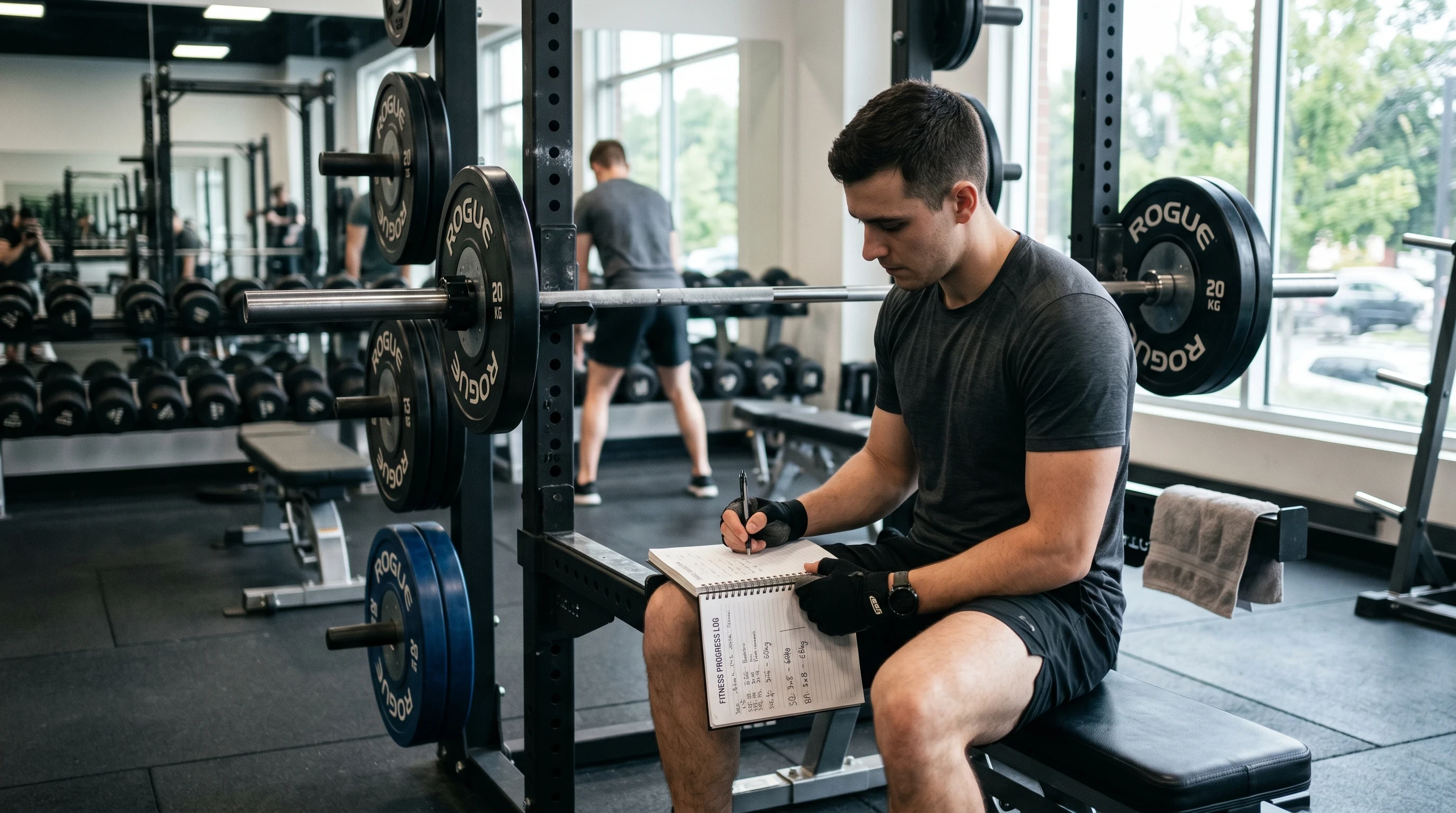
If you notice yourself lifting heavier weights or getting more reps with the same weight from week to week, that is a strong sign that you are on the right track. Research from Stronger By Science points out that for beginners, strength gains often come faster than muscle growth, but after the first month or two, they start matching up more.
While strength increases are one of the best early indicators of progress, beginners should remember that some initial improvements come from learning exercise technique and becoming more efficient at performing movements. Over time, continued strength gains combined with other progress markers become stronger evidence that muscle growth is occurring.
You should track your lifts for major exercises (like squats, deadlifts, bench presses, rows, and overhead presses). Many beginner programs recommend adding a small amount of weight, or a rep or two each session, building up slowly over weeks. If you can do this with good form, it usually means your muscles are adapting and starting to grow.
Visible Changes: Muscle Definition, Fullness, and Clothing Fit
Progress photos help you spot differences you might miss in the mirror. Every two to four weeks, try to take a photo in the same lighting, pose, and clothing. Over time, look for slightly fuller muscles, more lines around the shoulders or arms, or less softness on body parts where you’d like to see bigger muscles.
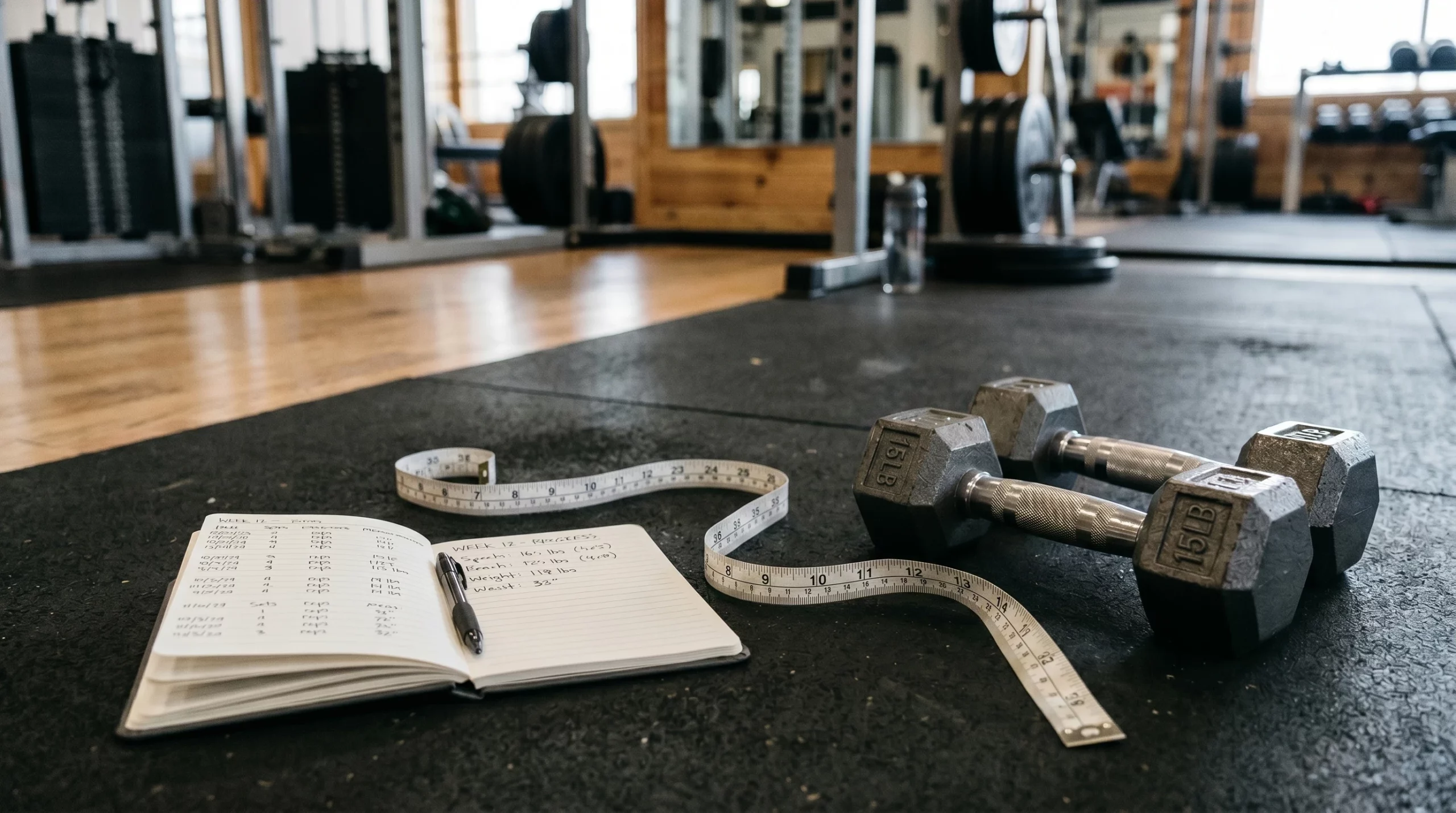
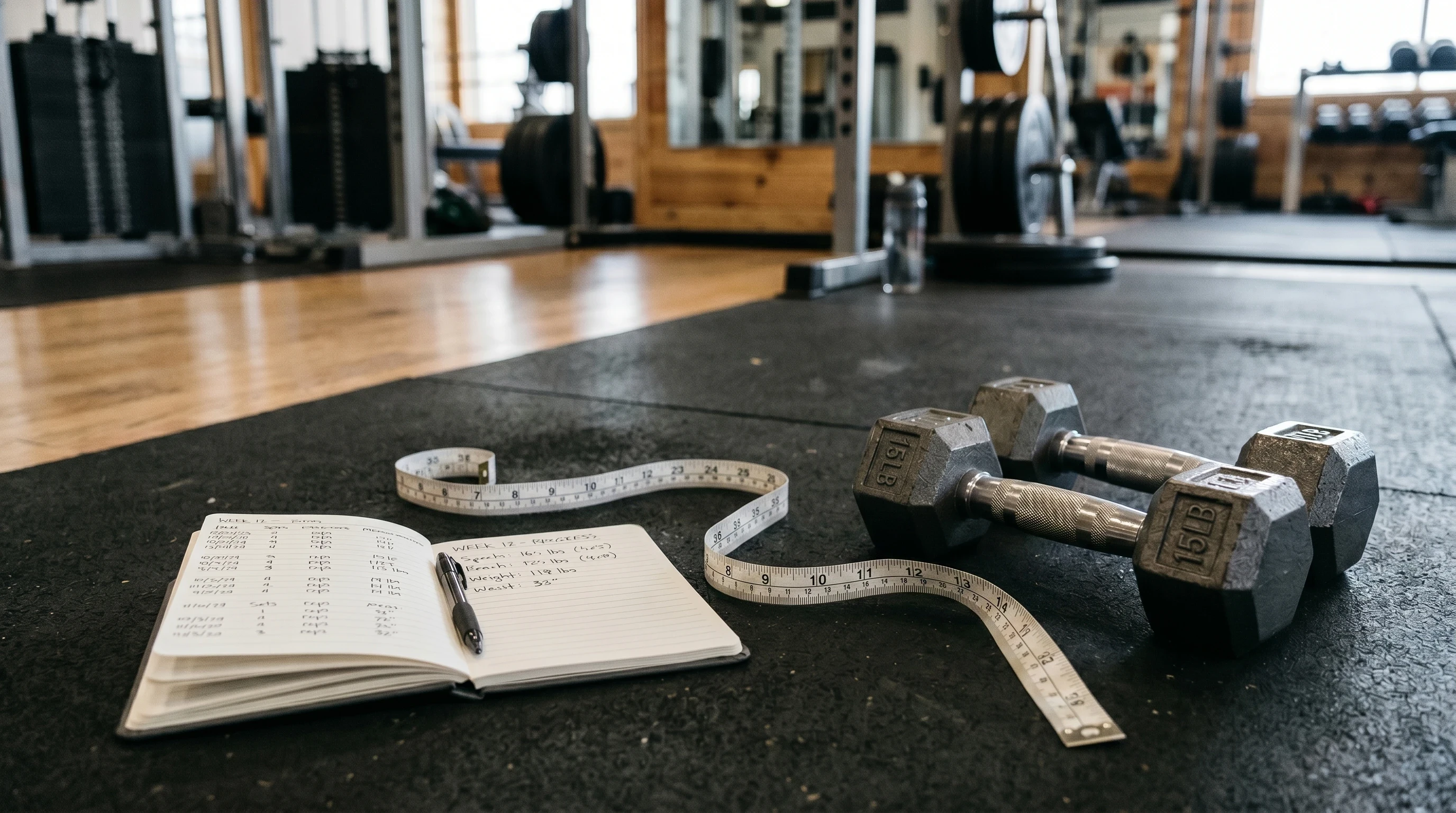
Measurements with a soft tape measure are another honest way to check. Once a month, measure your arms, chest, waist, hips, and thighs. Write each number down rather than guessing. You want very slow, steady progress. Even seeing a quarter-inch change over six to twelve weeks (without blowing up your waist size) is a positive sign if you’re eating right.
Clothes tell a story, too. If pants get tighter in the thighs or seat but your waist does not change, or shirt sleeves get snug while the rest fits the same, muscle growth may be behind it.
Body Weight Changes: Why the Scale Isn’t the Only Clue
The number on the scale does not always move when you are building muscle, especially for beginners, people coming back from a break, or those eating enough to grow but not overeating. Body weight can stay flat, go up, or even dip, depending on your calorie intake and your rate of fat loss versus muscle gain.
If you are truly eating above maintenance, a slow weight gain (not more than half a pound per week) plus higher strength and good changes in measurements can signal muscle growth. But sudden scale jumps without good changes in measurements or definition usually result from water shifts, more food or fiber in your gut, or extra fat gain. Keeping an eye on your weight trends along with other progress signs gives a fuller picture.
Why Soreness, Sweating, Muscle Pumps, and Exhaustion Don’t Measure Muscle Growth
Soreness after lifting weights doesn’t actually say much about muscle growth. Plenty of studies, including those referenced by Jeff Nippard and the NSCA, show that soreness is mostly from doing something new or using unfamiliar exercise styles rather than building muscle. The same goes for sweat, muscle pumps, and feeling exhausted at the end of a workout—these are signs you worked hard, not proof that muscle is growing.
Reliable feedback comes from long-term progress in strength, measurements, progress photos, and how your training feels over many sessions.
The Difference Between Gaining Muscle and Gaining Fat
Muscle and fat feel different when you touch or flex. Muscle feels firmer, especially under tension. Fat makes you feel softer, usually around the waist, lower back, and hips. If your weight and inch gains are mostly at the waist, it’s time to check your nutrition and training. Muscle tends to show up in your arms, shoulders, chest, and legs before you notice your waist changing much.
Watch overall trends: muscle growth tends to be slow and usually doesn’t add inches to your waistband overnight. Fat gain is more obvious at the waist, lower back, and face. By watching body weight, taking measurements, and snapping regular progress shots, you can tell the difference between muscle and fat growth.
Why Muscles Can Look Bigger or Smaller on Different Days
Muscle size and fullness can vary day to day. After a workout, muscles often look bigger because of a muscle pump, which comes from more blood flow and time under tension. This effect fades in hours. Hydration, eating, salt levels, and even last night’s sleep can make muscles look more or less defined. Because of all these variables, daily visual checks can trick you. The best way to get a real read is to use regular progress photos in the same light and clothes, and take monthly measurements.
Tracking and Measuring Muscle Gain: Best Practices for Beginners
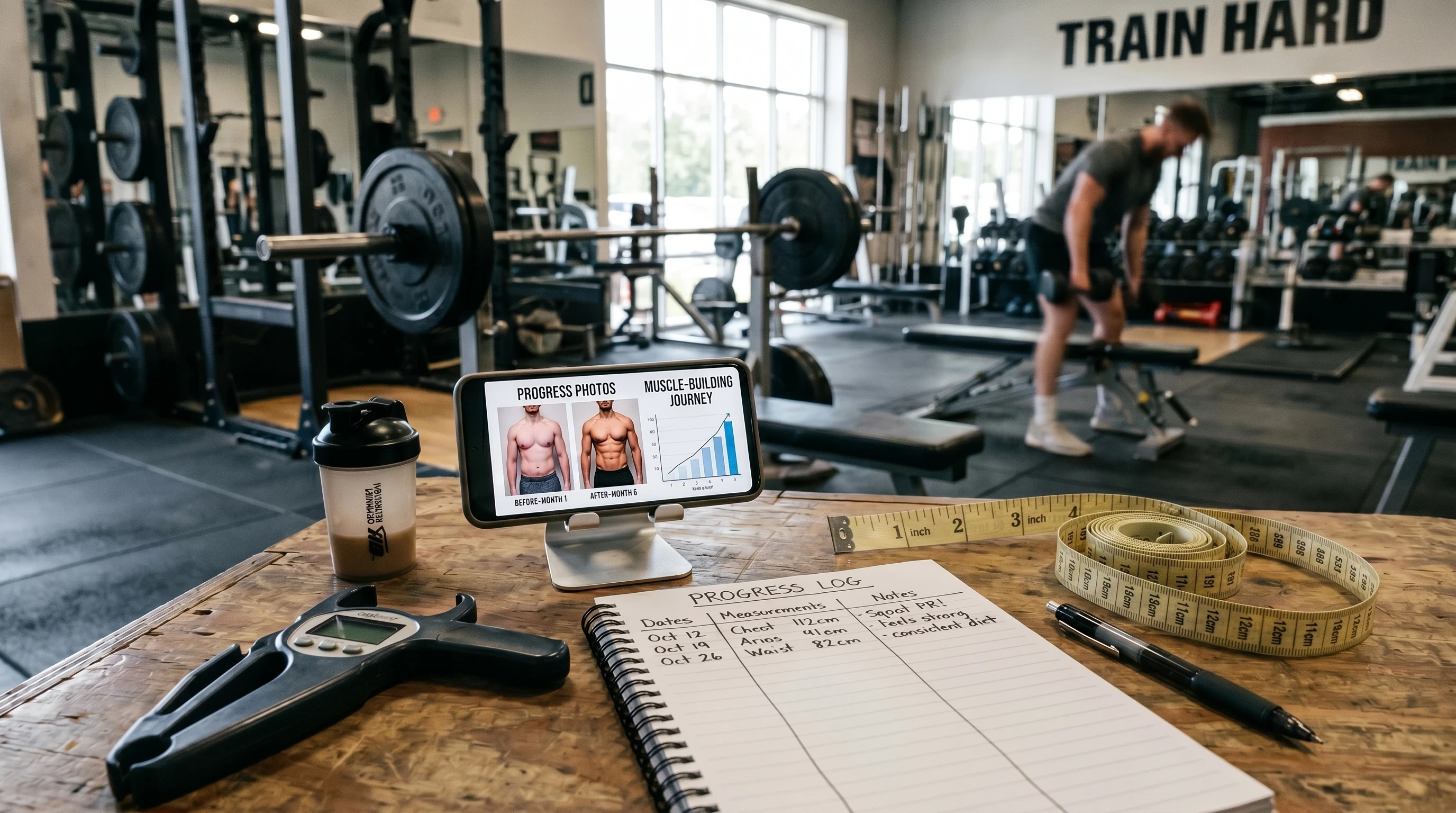
Experts say you should track several things at once across weeks or months, not just your reflection or a single workout. Here’s how most lifters find results:
- Keep a Training Log: Write down everything: sets, reps, and weights for every lift. Look for small gains over time.
- Use Progress Photos: Pick the same camera, lighting, pose, and time of day for each photo. Take these every two to four weeks for honest feedback.
- Measure Body Parts: Track your arms, legs, chest, waist, and hips each month with a tape measure. Always measure exactly the same spot for consistency.
- Look at Body Weight Trends: Weigh in at the same time (like mornings after using the bathroom, before eating or drinking) several times a week and look at the weekly average, not one-off spikes or drops.
- Record How You Handle Workouts: Note how long you need to rest, how many sets you can finish, and if you bounce back more quickly week by week. Improvements here can reveal progress even before you notice big changes in your look.
Key Factors in Effective Muscle Building
The building blocks for muscle growth are progressively loading your muscles, getting enough rest, eating well, and being patient. Following these steps helps your body add new muscle tissue:
- Progressive Overload: Challenge your muscles with more weight, reps, or work over time—stay smart and safe. Studies from the ACSM and Dr. Mike Israetel back this approach for muscle building.
- Recovery: Make sure you get enough sleep and rest days to help muscles repair. Most people grow best working each muscle group two or three times per week and taking at least a full day off in between.
- Nutrition: Eat enough protein (about 0.7 to 1 gram for every pound you weigh, per NSCA and Stronger By Science) and get enough calories to keep up with your activity. Beginners can often build muscle and lose fat at once, a bonus called body recomposition.
- Consistency and Patience: Building muscle does not happen overnight. Show up for your workouts regularly, track your ups and downs, and stick with a plan—slow progress beats chasing quick fixes every time.
Spotting Muscle Growth vs. Fat Loss: Can You Build Muscle Without Gaining Weight?
Plenty of beginners can pack on muscle and lose fat at the same time; this is called body recomposition. If you’re brand new to lifting, coming back after a long time, or making big upgrades in diet or workouts, you may see firmer muscles and less body fat even while the scale does not move. Measurements and photos show this best; the scale often hides what is going on.
More advanced trainees will find this much harder. Once you have lifted a while, the best way to add muscle is usually to eat a bit more than you burn each day, aiming for a tiny calorie surplus.
How Often to Track Your Muscle Building Progress
Most research and coaches suggest checking your progress every two to four weeks. Week to week, things like food, water, or sleep can make it tough to see the true picture. Monthly tracking for photos and measurements works for most people. Workout logs should be updated every session to spot real strength and progress bumps. Weigh in a few times a week, always the same way, and look for the overall trend across several weeks instead of sweating daily changes.
Beginner Muscle Building Takeaways
If you’re starting out on your muscle building adventure, stick with these practical strategies to track real progress and keep your head in the game:
- Watch for multiple cues at once: changes in strength, muscle size, pictures, and the way your clothes sit.
- Ignore soreness as a must have. Keep focused on building up strength and work capacity long term.
- Remember that solid results take weeks or months, not days. Sticking with the program matters most.
- Take progress pictures every couple weeks to get honest visual proof you might miss in the mirror.
- Keep a written log of reps and weights so you can look back and see just how far you have come. Even a single extra rep or weight bump is worth celebrating.
- If you are unsure, always make the call based on long-term trends, not whatever changes you might spot in the mirror or on the scale in a single day.
The best way to track muscle progress is combining increased strength, repeated measurements, steady changes in progress photos, and small bumps in workout totals. Keep your eyes on these and you’ll get the clearest sense of your gains—enough to keep you chasing real results far after your initial spark wears off.
Beginner Bodybuilding Guides On Lift & Nurture
If you’re learning how to build muscle and track your progress effectively, these beginner-friendly guides can help you create a complete muscle-building foundation:
- Beginner Bodybuilding Workout Plan (12-Week Foundation Blueprint)
- How To Implement Progressive Overload For Beginners
- How Long Does It Take To Build Muscle For Beginners?
- Beginner Weight Training Sets And Reps
- Muscle Group Sets Per Week For Beginners
- How Hard Should Beginners Train For Muscle Growth?
- How To Warm Up Before Lifting For Beginners
- Muscle Recovery Tips For Beginners
- How Much Protein For Beginners To Build Muscle?
- How Many Calories Should Beginners Eat To Build Muscle?
Building muscle becomes much easier when training, recovery, nutrition, and progress tracking all work together.
Frequently Asked Questions
How do I know if I am building muscle?
Watch for strength jumps, positive measurements, fuller or firmer muscles in photos, and workouts that feel easier or stronger over time. No single sign matters alone, so check a few together to get a real answer.
What are the first signs of muscle growth?
Early signs are usually lifting more in the main moves, doing more sets or reps, and seeing muscle shape or feel shift a little. Some people spot tighter clothes or more pep during workouts before dramatic visual changes happen.
How long does it take to notice muscle growth?
On average, people see changes between four and twelve weeks, with beginners sometimes noticing things a little sooner. Taking monthly pictures and measurements makes it easier to keep tabs along the way.
Is strength gain a sign of muscle growth?
Usually, yes. If you are lifting more using proper form, that often marks new muscle. Very early progress can come from better technique and learning how to move, but sustained strength bumps usually mean muscles are growing.
Can you build muscle without gaining weight?
Yes, especially for newbies or people coming back from a long layoff. This is called body recomposition—muscles firm up, fat drops, and the scale might barely budge at all.
How do I know if I am gaining muscle or fat?
Look at tape measurements and progress shots to see where the extra inches are (muscle groups versus belly). A steady weight gain paired with growth in your arms, chest, and legs—and regular strength bumps—suggests muscle.
Why do my muscles look bigger some days and smaller on others?
This is totally normal. Muscle fullness and “pump” shift a lot depending on workouts, hydration, salt, and sleep. Single day jumps or dips don’t equal real muscle growth or loss.
Should I use progress photos or body measurements?
Both help for the clearest picture. Photos show gradual changes you might not spot in the mirror, while tape numbers give hard data to track muscle gain that’s easy to miss otherwise.
How often should I track muscle building progress?
Best practice: note workouts each time, check tape and photos every month, and weigh in a few mornings a week to watch for big trends instead of random spikes.
Why is the scale not changing if I am building muscle?
Your body might be shedding fat while adding muscle, or you are growing muscle slowly without much of a calorie surplus. At the start, it is normal for the scale to stall—this does not mean you are not moving forward.
Can beginners gain muscle and lose fat at the same time?
Absolutely. It’s quite common for new lifters or anyone getting back on track after a break. It gets tougher with years of lifting, but during the early months you can firm up and burn fat at once by training and eating right.
References
National Strength and Conditioning Association (NSCA). Position Statements.
https://www.nsca.com/about-us/position-statements/
American College of Sports Medicine (ACSM).
Stronger By Science. Articles on Strength Training and Muscle Growth.
https://www.strongerbyscience.com
Jeff Nippard. Evidence-Based Muscle Building Resources.
Renaissance Periodization. Training and Muscle Growth Articles.
https://rpstrength.com/blogs/articles
About the Author
Angel Carcamo is the founder of Lift & Nurture, a beginner bodybuilding platform focused on structured training, muscle growth fundamentals, and long-term progress.
As someone building Lift & Nurture around beginner-friendly research and structured training principles, Angel creates guides that simplify widely accepted strength training concepts into clear, practical steps.
His guides focus on key fundamentals like progressive overload, recovery, and nutrition, helping beginners build muscle without confusion, shortcuts, or unrealistic expectations.
Start here: Beginner Bodybuilding Roadmap
Foundation guide: Beginner Bodybuilding Workout Plan (12-Week Foundation Blueprint)