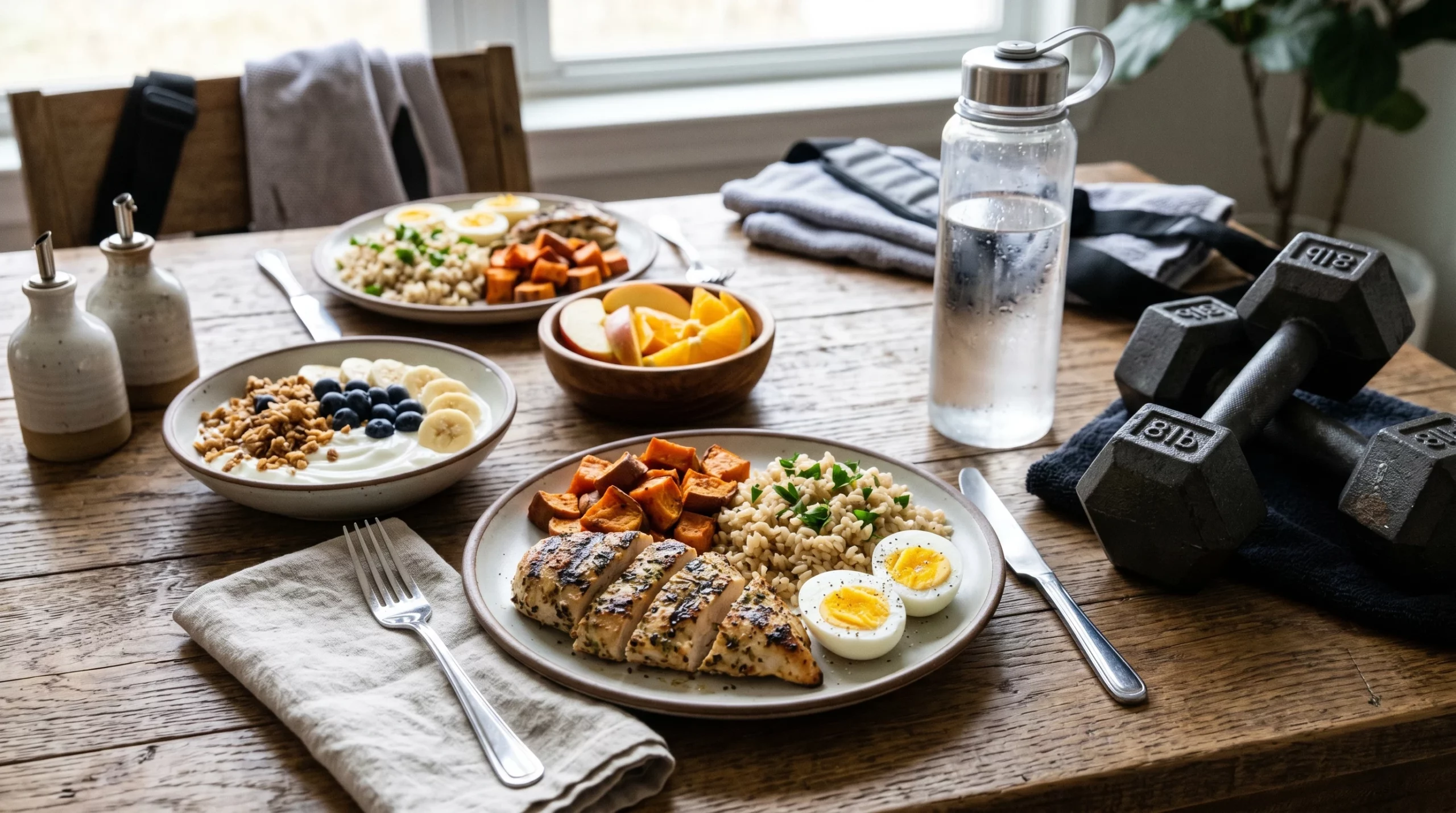
Knowing what to eat after gym for muscle recovery can feel confusing, especially if you’re new to strength training or sports nutrition. This guide explains evidence-based post-workout nutrition principles to help beginners support muscle recovery, muscle growth, and workout performance. This guide is built around the foundational advice from leading experts and organizations like the International Society of Sports Nutrition, Jeff Nippard, Renaissance Periodization, and Layne Norton. If you want results at the gym, understanding recovery nutrition is a great place to start.
Quick Answer
After a workout, most beginners should aim to eat a meal containing approximately 20–40 grams of high-quality protein along with carbohydrates to support muscle recovery, replenish glycogen stores, and promote muscle growth.
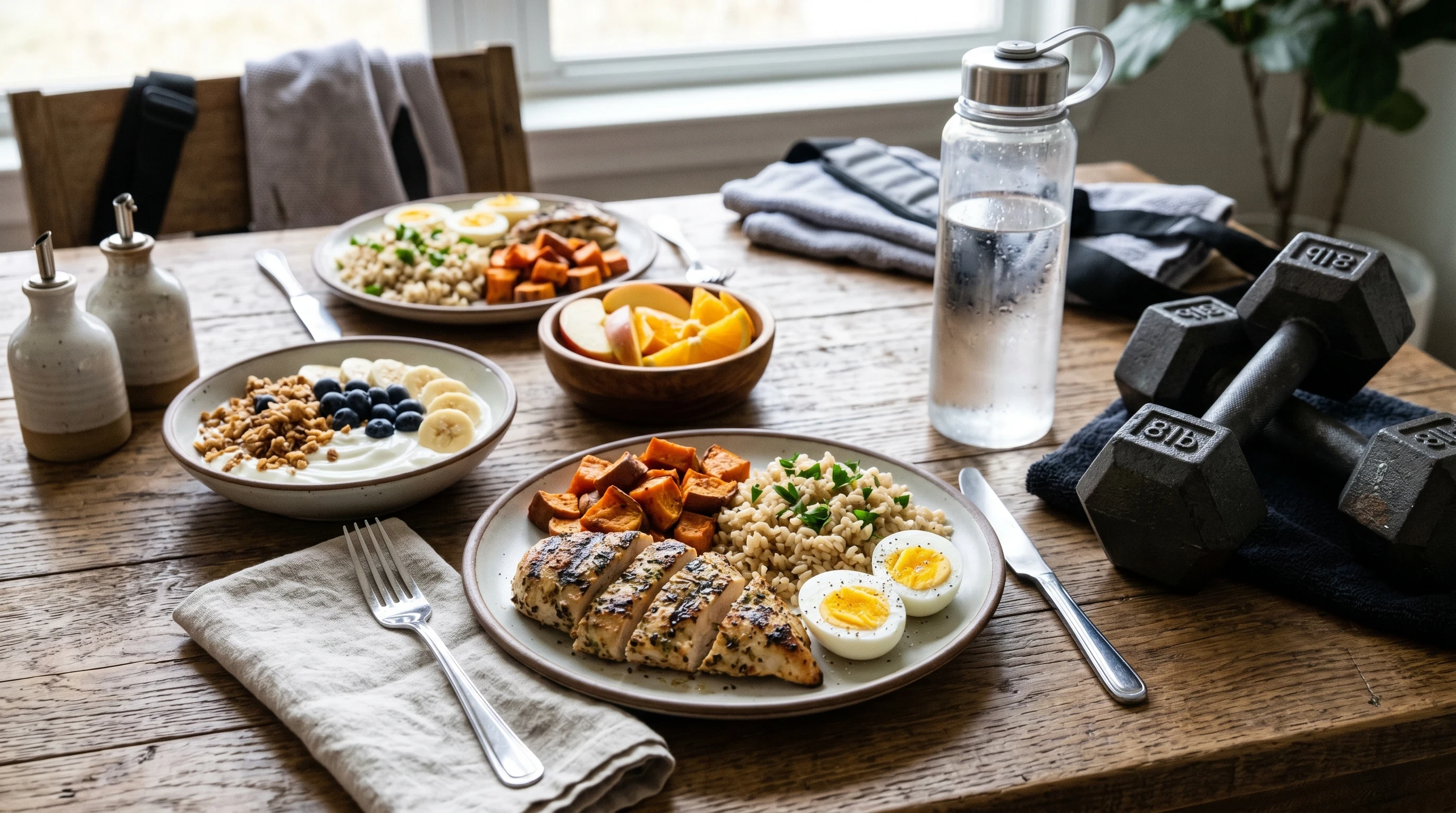
Good post-workout meal options include:
- Chicken and rice
- Eggs and toast
- Greek yogurt with fruit
- Lean beef and potatoes
- A protein shake with a banana
Current evidence suggests that total daily protein and calorie intake matter more than consuming food immediately after training. For most people, eating a balanced meal within about two hours after a workout is a practical guideline.
Table of Contents
- Quick Answer
- Why Post-Workout Nutrition Matters
- The Science Behind Muscle Recovery Nutrition
- Protein After Training: How Much and Why?
- Carbohydrates: Refueling for Recovery
- Do I Need to Avoid Fats After the Gym?
- Hydration and Electrolytes
- The Anabolic Window: How Urgent Is It?
- How Total Daily Nutrition Drives Results
- What Should I Eat: Practical Meal Examples
- Post-Workout Nutrition Checklist
- Beginner FAQs About Post-Workout Nutrition
- Common Mistakes and What Helps Instead
- Key Takeaways for Muscle Recovery Nutrition
- Beginner Bodybuilding Guides on Lift & Nurture
- Disclaimer
- References
- About the Author
Why Post-Workout Nutrition Matters
After a workout, especially resistance training, muscles experience stress and small amounts of muscle fiber damage. This is a normal part of the adaptation process that helps muscles recover and grow stronger. Exercise also uses up stored carbohydrate (called glycogen) in the muscles and can deplete some water and electrolytes through sweat.
The main reasons to pay attention to post-workout nutrition include:
- Support muscle repair and growth by providing high-quality protein to kickstart muscle protein synthesis
- Refill muscle glycogen stores with carbohydrates
- Restore fluid and electrolytes lost during exercise
Consistently matching post-workout meals to these needs may help support recovery, training performance, and long-term muscle growth. That being said, obsessing about the “perfect” window or only thinking about the next meal can sometimes distract from the bigger picture of overall nutrition habits.
The Science Behind Muscle Recovery Nutrition
After resistance training, studies show that muscles become especially sensitive to protein, which means they’re ready to use amino acids for repair and growth. Carbohydrates help switch the body out of a stressed (catabolic) state and back into a recovery (anabolic) mode. Rehydrating also supports the function of every cell and helps muscle tissue work efficiently.
Research from organizations like the ISSN and respected experts such as Jeff Nippard, Dr. Mike Israetel, and Layne Norton agree that:
- Protein is needed to repair muscle fibers and support growth
- Carbs help refill muscle glycogen, boosting energy stores for the next workout
- Dietary fat can be included in moderate amounts and does not “ruin” muscle repair
The highest priority is meeting total daily protein and calorie needs. Nutrient timing can help, but missing a post-workout shake does not automatically reduce muscle growth if total daily nutrition is adequate.
Protein After Training: How Much and Why?
Protein is a key nutrient muscles need after exercise. During a workout, some muscle fibers are broken down, and protein helps build them back stronger. This process is called muscle protein synthesis (MPS). Eating enough protein after a workout increases MPS and supports muscle gain over time.
Most evidence points to a target of about 20–40 grams of high-quality protein after training for most people. This is enough to trigger the highest rates of MPS, according to multiple studies. Amounts on the higher end of that range are especially helpful for heavier individuals or after really intense or long training sessions.
Examples of high-quality post-workout protein sources include:
- Chicken breast or thigh
- Lean beef or turkey
- Eggs or egg whites
- Greek yogurt or cottage cheese
- Tuna, salmon, or other fish
- Low-fat dairy milk
- Whey, casein, or soy protein powder (if whole foods aren’t practical)
These foods provide the essential amino acids, especially leucine, that support muscle protein synthesis and recovery.
Carbohydrates: Refueling for Recovery
During exercise, especially intense resistance training or cardio, glycogen stores in the muscles decline. Carbohydrates help restock that energy, which is important for supporting future workouts and overall recovery. Carb intake after training is especially helpful if another training session is planned within the next 24 hours.
Good sources of post-workout carbohydrates include:
- Rice (white or brown)
- Potatoes or sweet potatoes
- Oats or oatmeal
- Fruit such as bananas, berries, or apples
- Bread, pasta, or tortillas (whole grain or white, depending on preference)
- Breakfast cereal (especially for those training early or needing a quick option)
The exact amount of carbohydrates needed after training should match total daily nutrition needs and workout demands. For a typical 150-pound person, aiming for 0.5–1.5 grams carbs per kilogram of body weight (about 35–100 grams) is a good general range, but this is not a fixed rule.
Do I Need to Avoid Fats After the Gym?
A common belief is that eating fat after training will slow down digestion and reduce muscle protein synthesis. While it’s true that fat can slow down how quickly nutrients are absorbed, moderate amounts of dietary fat after exercise are completely fine. Studies show that a normal portion of healthy fats doesn’t blunt muscle recovery.
Healthy fat sources can include:
- Avocado
- Olive oil or avocado oil in dressings
- Nuts or seeds
- Egg yolks
- A little cheese with eggs or potatoes
The main thing is not to worry about avoiding fat completely. As long as the meal is balanced and not excessively high in fat, recovery can still be fully supported.
Hydration and Electrolytes
Workouts, especially in hot or sweaty conditions, can contribute to dehydration. Water supports every cell and metabolic process, including delivering nutrients to recovering muscles. Electrolytes like sodium and potassium, lost in sweat, are just as important. Individuals who sweat heavily, adding a pinch of salt to a post-workout meal or choosing foods like potatoes (which contain potassium) helps replenish these minerals.

Sports drinks are helpful for long or very sweaty sessions, but for most routine gym workouts, water is usually sufficient when electrolyte intake and overall nutrition are adequate. Drinking a glass or two of water with a post-workout meal is a practical habit for supporting hydration.
The Anabolic Window: How Urgent Is It?
For years, the “anabolic window” was thought to be a brief period, maybe 30 minutes, after exercise where eating protein or carbs would make or break muscle gains. Current science explains that the window is much wider than previously believed and can last several hours after training. If protein was consumed before training, there’s less rush to eat again immediately after. If training is performed fasted or before breakfast, eating soon afterward is a good idea.
A balanced meal within approximately two hours after training is a practical guideline for most people. There is usually no need to stress over small delays. Meeting daily protein and calorie targets is far more important than focusing on exact nutrient timing.
How Total Daily Nutrition Drives Results
Long-term muscle gain and recovery depend on overall daily nutrition habits, not just one post-workout meal. Consistency with calorie, protein, carbohydrate, and fat intake helps support recovery, strength gains, and muscle growth.
- Daily protein: Most research-backed recommendations for gaining strength and muscle sit around 1.6–2.2 grams of protein per kilogram of body weight (about 0.7–1 gram per pound).
- Calories: Sufficient calorie intake is needed to support recovery, with a small calorie surplus generally recommended for maximizing muscle gain.
- Carbs and fats: Keeping these balanced supports energy, hormone levels, and satiety
Post-workout nutrition should be viewed as one part of an overall nutrition strategy and a larger nutrition plan.
What Should I Eat: Practical Meal Examples

Practical meal planning can make post-workout nutrition easier to follow consistently. Here are examples of post-workout meals for different times of day and priorities:
Post-Workout Breakfast (after a morning gym session)
- Scrambled eggs or egg whites with wholegrain toast and fruit
- Greek yogurt bowl with granola and berries
- Oatmeal with protein powder mixed in, topped with banana and nuts
Midday or Afternoon Post-Workout Meals
- Grilled chicken breast, brown rice, and steamed broccoli with olive oil
- Turkey or lean beef wrap with mixed greens and a piece of fruit
- Tuna sandwich on whole grain bread with a side of carrots or a sweet potato
Evening Workout Recovery Meals
- Baked salmon with roasted potatoes and green beans
- Beef stir-fry with rice and stir-fry vegetables
- Egg omelet with mixed veggies and a slice of whole grain toast
Quick Solutions When Busy
- Whey protein shake with a banana or handful of pretzels
- Cottage cheese with fruit and a granola bar
- Chocolate milk with a rice cake or bagel
The combination of protein and carbohydrates is the foundation of each meal, with moderate healthy fats included for satisfaction.
Post-Workout Nutrition Checklist
✓ Eat 20–40 grams of protein
✓ Include a source of carbohydrates
✓ Stay hydrated after training
✓ Do not fear healthy fats
✓ Focus on total daily calories and protein
✓ Aim to eat within a couple of hours after training
✓ Prioritize consistency over perfection
Beginner FAQs About Post-Workout Nutrition
Here are answers to some of the most common beginner questions about post-workout nutrition.
What should I eat after a workout to build muscle?
A balance of 20–40 grams of high-quality protein and 30–100 grams of carbohydrates, along with some healthy fats, works well for most people. Chicken, rice, eggs, potatoes, Greek yogurt, and fruit are practical options.
How much protein should I eat after a workout?
Most evidence recommends 20–40 grams of protein after training. Amounts in this range best support muscle protein synthesis for most people.
Do I need to eat immediately after training?
There’s no need to rush. Eating a meal within about two hours of finishing training is fine for most people. Individuals who train fasted may benefit from eating soon after finishing their workout.
Is the anabolic window real?
The idea of a 30-minute “window” is outdated. The body remains primed for muscle repair for at least a few hours after training, with the overall daily pattern of meals being most important.
Should I eat carbs after a workout?
Yes, carbohydrates help refill muscle glycogen for energy and aid recovery. Carbs are especially important if another training session is planned soon or if the workout was long and intense.
What if I train early in the morning?
If training takes place before breakfast, consuming a post-workout meal containing protein and carbohydrates soon after finishing can help support recovery.
What if I work out at night?
Evening workouts still benefit from a solid recovery meal. Eating protein and carbs before sleep can even support overnight muscle repair. Eating later in the evening does not automatically cause fat gain when overall calorie intake matches individual goals.
What if I’m trying to lose fat while building muscle?
When cutting calories, keeping protein high (about 1–1.2 grams per pound of bodyweight) helps preserve muscle. Carbs support training performance, and meal timing still helps, but the main focus should be total daily protein and a moderate calorie deficit.
Can I drink a protein shake instead of eating a meal after a workout?
Yes. A protein shake can be a practical post-workout option when whole foods are not available. However, whole-food meals provide additional nutrients, fiber, and satiety that support overall health and recovery.
Common Mistakes and What Helps Instead
- Skipping meals: Aim for a balanced meal after training, not just a snack, especially when muscle growth and recovery are goals.
- Only using supplements: Protein shakes are helpful for convenience but are not required. Whole foods like chicken, fish, eggs, and milk offer more overall nutrition.
- Avoiding carbs: Carbohydrates are not the enemy. They support energy, recovery, and performance and are especially helpful for muscle building goals.
- Worrying too much about exact timing: A solid post-workout meal within a couple of hours is plenty. Missing a shake here or there does not automatically reduce progress when overall nutrition is consistent.
Getting enough sleep, managing stress, training with good form, and progressing lifts over time matter at least as much as nutrition. Combining these basics is the most reliable way to see progress.
Key Takeaways for Muscle Recovery Nutrition
- Eat a balanced meal with 20–40 grams of protein and some carbohydrates after training to support muscle recovery
- Focus on your total daily calories and protein intake more than strict nutrient timing
- Include carbs and healthy fats to round out your meal and keep energy high
- Stay hydrated with water and replace electrolytes if you sweat a lot
- Keep your routine simple and flexible; what matters most is consistency, not perfection
Using these evidence-based principles can help make post-workout nutrition simple, practical, and effective for supporting muscle recovery and growth. Eating well after exercise is really important, but paying attention to overall nutrition, sleep, and recovery habits is just as valuable for making steady, long-term gains.
Beginner Bodybuilding Guides on Lift & Nurture
New to building muscle?
These beginner-friendly guides can help you create a complete muscle-building plan:
- Beginner Bodybuilding Workout Plan (12-Week Foundation Blueprint)
- How Much Protein For Beginners To Build Muscle?
- How Many Calories Should Beginners Eat To Build Muscle?
- Muscle Building Nutrition Guide For Beginners
- Best Foods For Building Muscle For Beginners
- Muscle Building Grocery List For Beginners
- What To Eat Before A Workout For Muscle Growth
- How To Implement Progressive Overload For Beginners
- Muscle Recovery Tips For Beginners
Together, these guides cover the key fundamentals of training, nutrition, recovery, and long-term muscle growth.
Disclaimer
Note: This article is for educational purposes only and should not be considered medical advice. Individual nutrition needs vary.
References
International Society of Sports Nutrition (ISSN). Position Stand: Protein and Exercise. Available at:
https://jissn.biomedcentral.com/articles/10.1186/s12970-017-0177-8
International Society of Sports Nutrition (ISSN). Position Stand: Nutrient Timing. Available at:
https://jissn.biomedcentral.com/articles/10.1186/1550-2783-5-17
Nippard, J. Evidence-Based Muscle Building Nutrition Resources:
https://jeffnippard.com
Renaissance Periodization. Nutrition and Muscle Growth Resources:
https://rpstrength.com
Layne Norton. Evidence-Based Nutrition Resources:
https://biolayne.com
About the Author
Angel Carcamo is the founder of Lift & Nurture, a beginner bodybuilding platform focused on structured training, muscle growth fundamentals, and long-term progress.
As someone building Lift & Nurture around beginner-friendly research and structured training principles, Angel creates guides that simplify widely accepted strength training concepts into clear, practical steps.
His guides focus on key fundamentals like progressive overload, recovery, and nutrition, helping beginners build muscle without confusion, shortcuts, or unrealistic expectations.
Start here: Beginner Bodybuilding Roadmap
Foundation guide: Beginner Bodybuilding Workout Plan (12-Week Foundation Blueprint)