
Starting a workout routine at home can feel overwhelming, especially if you’re unsure where to begin or what schedule to follow. Many beginners jump between random workouts without a clear plan, which often makes consistency and progress harder. A simple, consistent structure removes a lot of that guesswork and helps make progress toward building strength and fitness.
Quick Answer
Most beginners can build strength and muscle with a simple 3 day bodyweight workout routine performed consistently each week. Full body workouts done three times weekly help beginners train often enough for progress while still allowing enough recovery between sessions. A beginner-friendly routine using exercises like pushups, squats, lunges, rows, and planks can improve strength, muscle growth, fitness, and workout consistency without needing a gym membership or expensive equipment.
Table of Contents
- Quick Answer
- Why a 3 Day Bodyweight Workout Routine Works Well for Beginners
- What Beginners Should Have Ready Before Starting
- How to Structure Your 3 Day Weekly Schedule
- The Simple 3 Day Bodyweight Workout Routine for Beginners
- Recovery Tips for Beginners on a 3 Day Routine
- How to Progress and Make Your Bodyweight Workouts More Challenging
- Setting Realistic Expectations for Progress
- Common Beginner Mistakes to Avoid
- Simple Real World Scheduling and Consistency Tips
- Frequently Asked Questions
- Final Thoughts
- Beginner Bodybuilding Guides on Lift & Nurture
- References
- Disclaimer
- About the Author
Why a 3 Day Bodyweight Workout Routine Works Well for Beginners
Full body routines are commonly used in beginner training plans because this approach supports better recovery, consistency, and sustainable habits. Many beginner strength training guidelines recommend full body workouts because they balance training frequency, recovery, and consistency well for people new to resistance training. Three sessions per week offers a manageable balance between working out often enough and avoiding overwhelm.
Consistency is really important, and training three times a week makes it easier to stick with long term. This frequency means there are enough rest days for recovery, which helps prevent soreness from getting in the way of your next workout. It’s a pace that suits most busy lifestyles, so you’re more likely to keep going week after week.
Compared to daily workouts or complicated splits, three full body sessions let beginners focus on the basics. You get to repeat key movements and see steady improvement in both strength and confidence. This is the same general full body approach used in guides like Beginner Bodyweight Workout Plan To Build Muscle At Home and Full Body Workout Plan For Beginners.
What Beginners Should Have Ready Before Starting
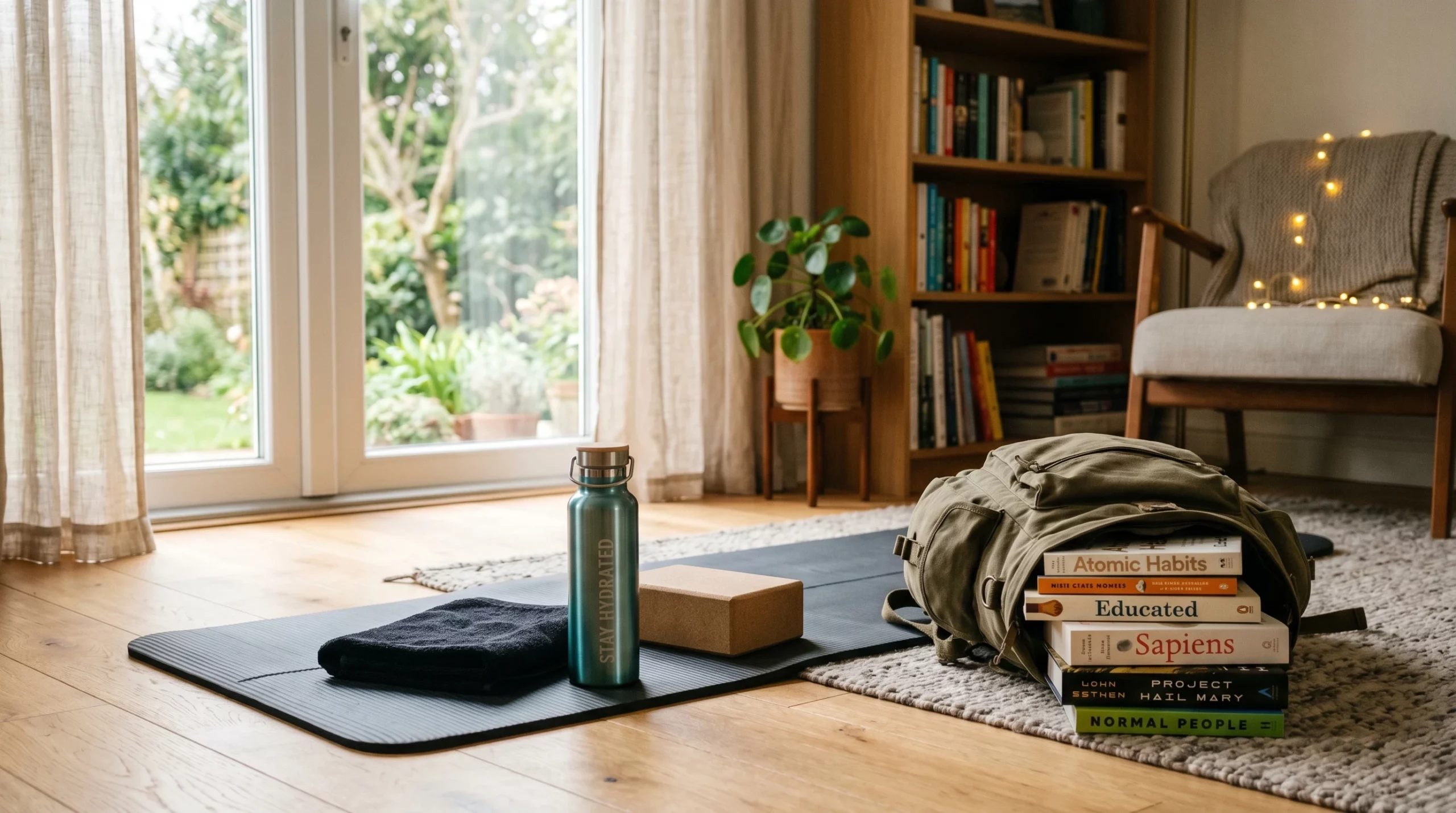
You don’t need much equipment to begin a home bodyweight routine. Here are a few simple things beginners may find helpful before starting:
- Comfortable Workout Area: Clear a bit of space so you can move freely. Enough room for a yoga mat is plenty.
- Sturdy Chair or Low Table: Useful for incline pushups or stepups.
- Backpack (or Tote Bag): Fill it with books for some extra resistance as you progress.
- Bottle of Water and Towel: Basic, but these keep you comfortable during and after workouts.
- Notebook or App: Helps track your workouts, sets, and reps.
Learning proper technique early on can also help improve confidence and exercise quality. Short, instructional videos or visual diagrams from reputable fitness websites are useful. There’s no need to buy fancy gear right away. Bodyweight training meets you where you are. If you’re coming back after a break, see more ideas in Beginner Fitness Plans After A Break.
If you want an even simpler beginner starting point using only basic bodyweight exercises and little to no equipment, this No Equipment Full Body Workout For Beginners At Home guide walks through a beginner-friendly full body routine designed for building strength and consistency at home.
How to Structure Your 3 Day Weekly Schedule
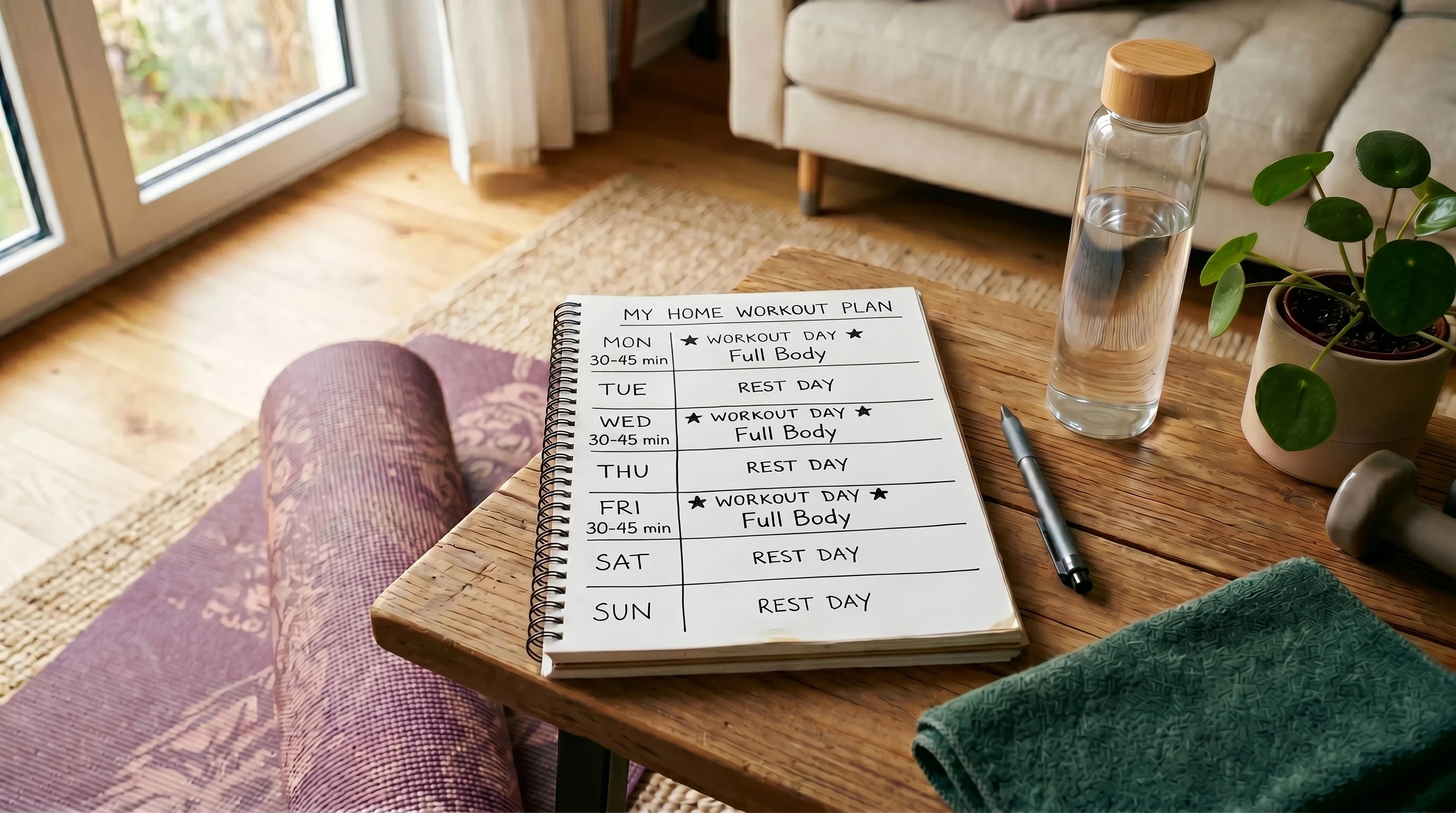
Sticking to a routine is much easier with a simple schedule you can repeat. A really popular way to organize three full body sessions each week is training on nonconsecutive days, which helps you recover and maintain motivation. Here are some example schedules:
- Monday, Wednesday, Friday
- Tuesday, Thursday, Saturday
- Sunday, Tuesday, Thursday
This setup means you get one or two rest days between every session. If you miss a day, just fit the session in on the next available day and get back into your rhythm. The key is to keep coming back to your planned structure rather than restarting from zero.
The Simple 3 Day Bodyweight Workout Routine for Beginners
Many beginner routines alternate between two slightly different workouts to add variety and ensure you’re training all major muscle groups regularly. I’ll call these Workout A and Workout B. You can alternate them across your weekly schedule like this:
- Week 1: A, B, A
- Week 2: B, A, B
This helps beginners practice different movement patterns while keeping the routine from feeling repetitive.

Beginners do not need perfect workouts to make progress. The goal is to practice basic movement patterns consistently while gradually building strength and confidence over time.
Before starting the workout, spend around 5-10 minutes warming up with light movement like marching in place, arm circles, bodyweight squats, or gentle stretching. This helps prepare your joints and muscles for exercise.
Workout A
- Incline Pushups or Knee Pushups: 3 sets of 8-15 reps
- Bodyweight Squats: 3 sets of 10-20 reps
- Backpack Rows: 3 sets of 8-15 reps (load a backpack with books and row it off the floor or a low table)
- Glute Bridges: 2-3 sets of 10-20 reps
- Plank: 2 sets, 20-40 seconds each
Workout B
- Pike Pushups (or incline pushups if needed): 3 sets of 6-12 reps
- Reverse Lunges: 3 sets of 8-12 reps per leg
- Backpack Rows: 3 sets of 8-15 reps
- Calf Raises: 2-3 sets of 12-20 reps (off a step if possible)
- Side Plank: 2 sets per side, 20-30 seconds each
- Dead Bug: 2 sets of 8-12 controlled reps per side
Do each exercise in order, resting around 60-90 seconds between sets. If that feels too easy or hard, adjust the rest time or number of repetitions based on your fitness level.
Most beginners can complete these workouts in around 30-45 minutes, depending on rest times, fitness level, and how quickly they move between exercises.
This style of plan matches what you’ll find in proven beginner guides such as the Beginner Bodybuilding Workout Plan (12-Week Foundation Blueprint). The main focus is to train all the key muscles simply and safely. No need for special skills or advanced moves.
Recovery Tips for Beginners on a 3 Day Routine
Allowing your muscles and body time to recover is just as important as the workouts themselves. Most beginners benefit from a routine that gives you at least a full day to rest between sessions. During your rest days, try some light walking, gentle stretches, or other activities that feel good, but avoid intense exercise.
The World Health Organization Physical Activity Guidelines also recommend regular physical activity and strength-focused exercise as part of long-term health and fitness habits.
Consistent sleep (7-9 hours is a good target), balanced nutrition, and hydration all support recovery. If you’re experiencing prolonged soreness, extra sleep and a bit of gentle movement can help. Easily digested foods with protein (like eggs or Greek yogurt) after your workouts also support muscle repair. You’ll find more ideas in Muscle Recovery Tips for Beginners.
How to Progress and Make Your Bodyweight Workouts More Challenging
Progress in bodyweight training usually comes from making workouts slightly more challenging over time rather than making huge jumps in difficulty. Progress in bodyweight training can feel different compared to using weights, but the basic idea is the same: your muscles grow when you challenge them to do more over time.
- Increase repetitions as you get stronger. When you can consistently hit the top end of the rep range with good form, add more reps or slow down your movement. If your workouts start feeling much easier for multiple sessions in a row, that’s usually a good sign it’s time to increase the challenge slightly.
- Shorten rest between sets, but don’t cut rest so much that it ruins exercise quality.
- Add more sets, but only after you can complete all reps and sets comfortably.
- Improve your form and technique, focusing on feeling your muscles work (the mind-muscle connection).
- Use a backpack loaded with books or water bottles to add resistance to exercises like squats, rows, or glute bridges.
- Slow the tempo of your exercises, especially the lowering (eccentric) phase, to make each rep harder.
- Increase the range of motion for exercises (for example, squat deeper or elevate your feet for pushups) if you’re ready for more challenge.
Muscles generally respond best when exercises feel challenging enough while still allowing you to maintain good form and recovery. You can check out more about these ideas in the guide on How To Implement Progressive Overload For Beginners.
Setting Realistic Expectations for Progress
Building strength and muscle takes time. You might notice more energy, less soreness after workouts, or slight improvements in strength or stamina within a few weeks, especially if you’re new to training. Visible muscle changes often take several months of consistency.
It’s normal to see faster progress in the first three to six months, then a slower pace after that. Focus on small wins, like adding a rep, holding a plank longer, or using better technique. Sustainable results come from showing up each week and doing what you can. For more on realistic muscle growth timelines and what beginners should expect, see How Long Does It Take to Build Muscle for Beginners?
Common Beginner Mistakes to Avoid
- Doing too much too soon: Starting with daily or overly intense workouts can lead to fatigue or injury. Stick to your three sessions and resist the urge to do more.
- Lack of structure: Random workouts make it hard to track progress. Use a repeatable weekly schedule.
- Skipping rest days: Thinking more is always better actually slows down recovery and results.
- Poor form: Rushing through exercises or doing them with bad technique reduces results and increases injury risk. Quality matters more than quantity.
- Ignoring nutrition and sleep: Both are super important for recovery and making progress from your workouts.
- Comparing to others: Everyone moves at their own pace. Focus on your progress and how you’re feeling.
Most long-term progress comes from sticking to the basics. Guides like Beginner Weight Training Sets And Reps and Muscle Group Sets Per Week For Beginners cover realistic training guidelines that help beginners stay consistent without burning out.
Simple Real-World Scheduling and Consistency Tips
Building a consistent habit is often the hardest part for beginners. A lot of beginners assume they need perfect motivation to stay consistent, but consistency usually comes from making workouts simple enough to repeat regularly. Even shorter or less-than-perfect workouts still help build the habit.
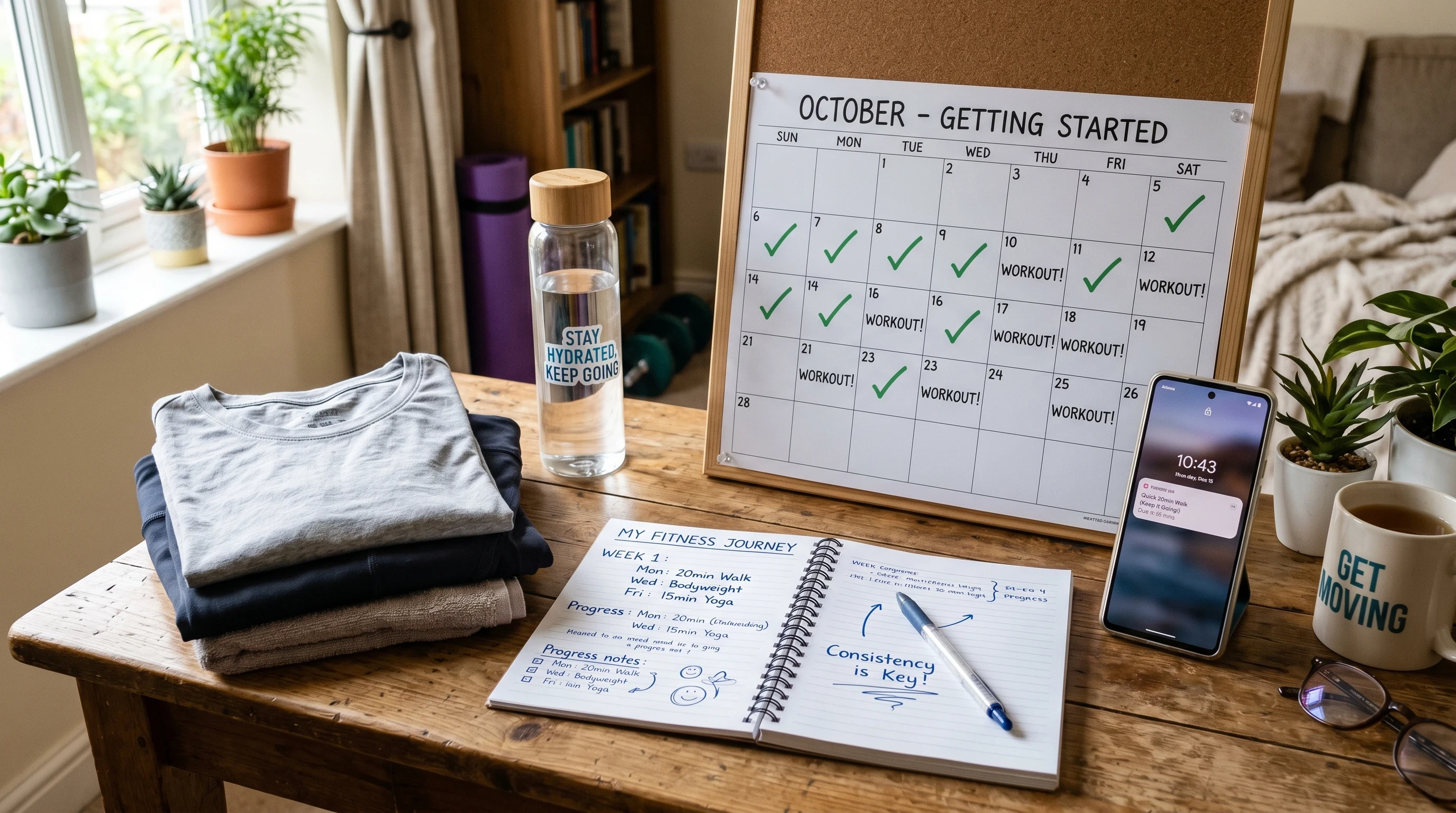
Here are a few simple ways beginners can make workouts feel more routine:
- Pick set days and times for your sessions and treat them like appointments you wouldn’t cancel.
- Lay your workout clothes out in advance, or keep them in a visible place.
- Write down your workouts in a notebook or use a calendar app. Checking off completed sessions feels good and boosts your motivation.
- If you miss a day, just move your workout to the next available spot instead of skipping it.
- Find a friend or online accountability group for encouragement and support.
The main thing is to stick with a clear routine. Even if you do just one of the planned workouts each week at first, that’s a big step forward. Building and maintaining this consistency is what helps most beginners succeed long term.
Frequently Asked Questions
Can I build muscle with only three bodyweight workouts per week?
Most beginners benefit from three full body sessions each week for both muscle building and general fitness. As long as you stay consistent and continue challenging your muscles over time and focus on slow, controlled reps, you can definitely make progress.
What if I can’t do some of the exercises in the routine?
It’s normal to need easier versions at first, like wall pushups or half squats. Try your best, and focus on improving slowly over time. Beginners can also use easier exercise variations, slower progression, or shorter ranges of motion while building strength and confidence.
Should I change the routine every few weeks?
Sticking to the same simple plan is usually most helpful in the first two to three months. When you stop progressing, you can swap in similar moves with more challenge or adjust the reps and sets slightly for variety.
Final Thoughts
A 3 day full body routine using bodyweight exercises offers a simple, realistic way into strength training and muscle growth. Especially if you’re just starting out, the structure supports consistency and recovery while removing a lot of the confusion around more complicated routines. Over time, just showing up, putting in steady effort, and following a repeatable schedule will give you the best shot at sustainable fitness results. For more clarity on starting your journey, see related resources like Beginner Bodyweight Workout Plan To Build Muscle At Home and Full Body Workout Plan For Beginners. Start simple and keep going; that’s how progress happens.
Beginner Bodybuilding Guides on Lift & Nurture
If you want to continue building muscle with structured beginner-friendly workouts, these guides may help:
- Beginner Bodybuilding Workout Plan (12-Week Foundation Blueprint)
- Beginner Bodyweight Workout Plan To Build Muscle At Home
- Full Body Workout Plan For Beginners: Simple Step-by-Step Guide
- 3 Day Workout Schedule For Beginners: A Complete Full Body Plan
- Beginner Fitness Plans After A Break: How To Start Working Out Again
- How To Implement Progressive Overload For Beginners (Without Stalling Your Progress)
- Muscle Recovery Tips for Beginners: Sleep, Rest Days, and Faster Muscle Growth
- Beginner Weight Training Sets And Reps: How Many Should You Do for Muscle Growth?
- Muscle Group Sets Per Week For Beginners: How Many To Build Muscle?
- How Long Does It Take to Build Muscle for Beginners?
References
1. American College of Sports Medicine. Resistance Training Guidelines Update.
2. Schoenfeld BJ. The Mechanisms of Muscle Hypertrophy and Their Application to Resistance Training. Journal of Strength and Conditioning Research.
3. World Health Organization. Physical Activity Guidelines.
4. National Institutes of Health. Physical Activity and Exercise Guidelines.
5. International Society of Sports Nutrition Position Stand: Protein and Exercise.
Disclaimer
This content is for educational purposes only and is not medical advice. Consult a qualified healthcare professional before starting any new workout or nutrition program.
About the Author
Angel Carcamo is the founder of Lift & Nurture, a beginner bodybuilding platform focused on structured training, muscle growth fundamentals, and long-term progress.
As someone building Lift & Nurture around beginner-friendly research and structured training principles, Angel creates guides that simplify widely accepted strength training concepts into clear, practical steps.
His guides focus on key fundamentals like progressive overload, recovery, and nutrition — helping beginners build muscle without confusion, shortcuts, or unrealistic expectations.
Start here: Beginner Bodybuilding Roadmap
Foundation guide: Beginner Bodybuilding Workout Plan (12-Week Foundation Blueprint)