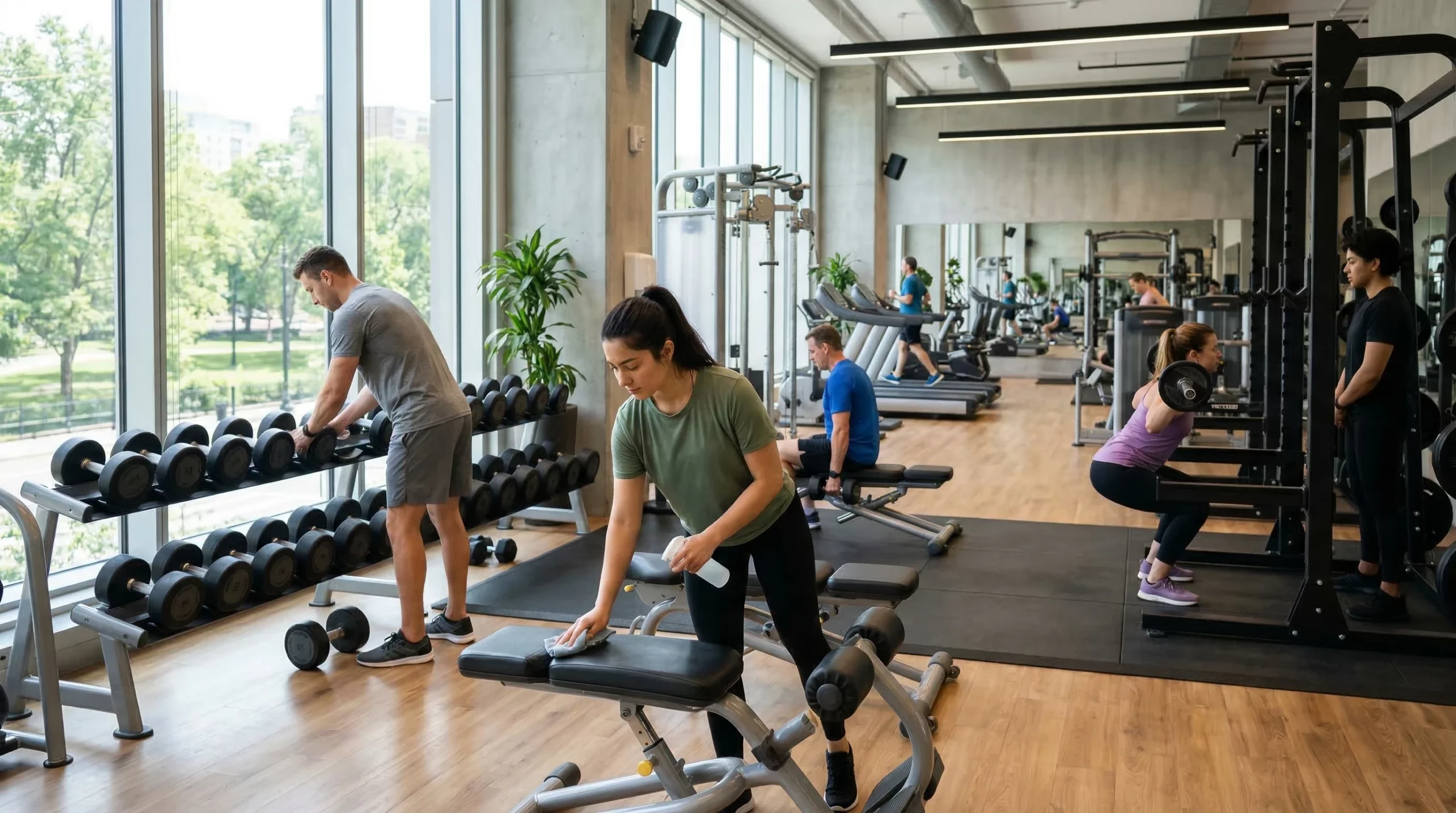
Stepping into the gym for the first time can feel overwhelming. It’s easy to worry about sticking out, making mistakes, or not knowing what’s expected. Understanding basic gym etiquette goes a long way toward feeling at home in a new environment. Good manners, respect for personal space, and safe practices help make every visit smoother and more positive, not just for yourself but for everyone sharing the space. It’s helpful to remember that most gym goers are focused on their own workouts, not on critiquing others. Paying attention to the basics of gym behavior can ease the anxiety that’s common for beginners and help turn every session into a confident, productive experience. Becoming comfortable at the gym takes time, and each visit helps you feel a little more confident.
Following a structured beginner plan can make gym visits feel much less confusing, especially when you have a clear roadmap like a Beginner Bodybuilding Workout Plan (12-Week Foundation Blueprint) to guide your sessions.
Preparing Before You Go
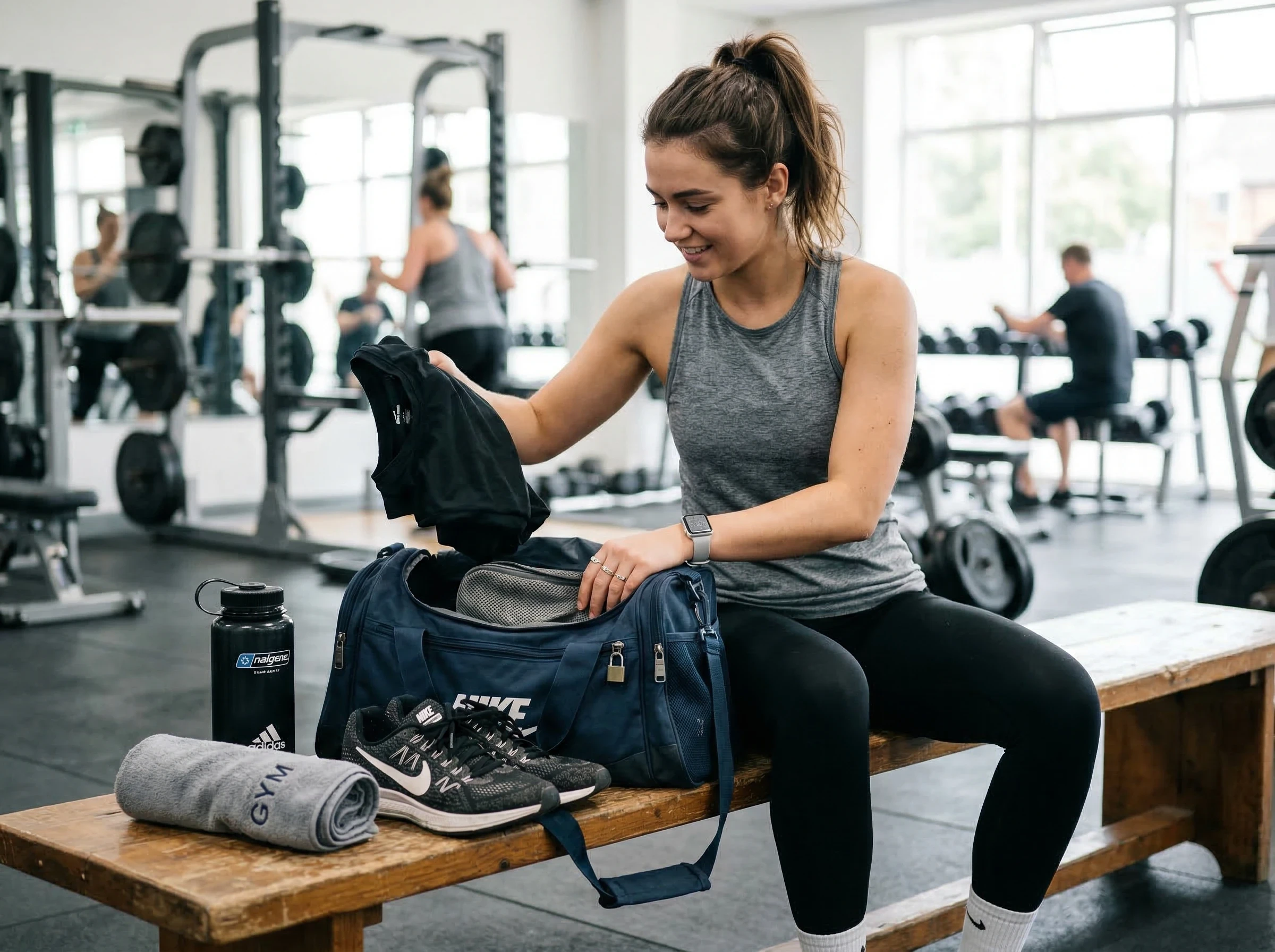
Getting ready before arriving at the gym sets you up for a better workout. One really important step is to pack all the essentials: comfortable workout clothes (something stretchy and breathable), supportive athletic shoes, a small towel for sweat, and a bottle of water. Staying hydrated keeps you energized and a towel shows respect for others by helping manage sweat. You want to bring a small lock if you leave valuables in a locker, and possibly a light snack for post-workout energy. As you prepare, remember that arriving just a few minutes early smoothes the way for finding equipment and not feeling rushed.
Hygiene is key from the start. Taking a quick shower or using deodorant before going avoids distractions for you and others. If you have long hair, tying it back helps with comfort and safety. Planning your workout in advance—either with a printed routine or notes on your phone—reduces the chance of feeling lost or wandering. Following a simple structure like a 3 Day Workout Schedule For Beginners: A Complete Full Body Plan can give your session direction and make the gym feel far less overwhelming. That eliminates some of the awkwardness. Familiarize yourself with your gym’s specific rules. Most gyms post these near the front desk or on their website. Common rules include only bringing certain bags onto the gym floor, cleaning equipment after use, and not taking photos without permission.
Respecting Equipment and Shared Spaces
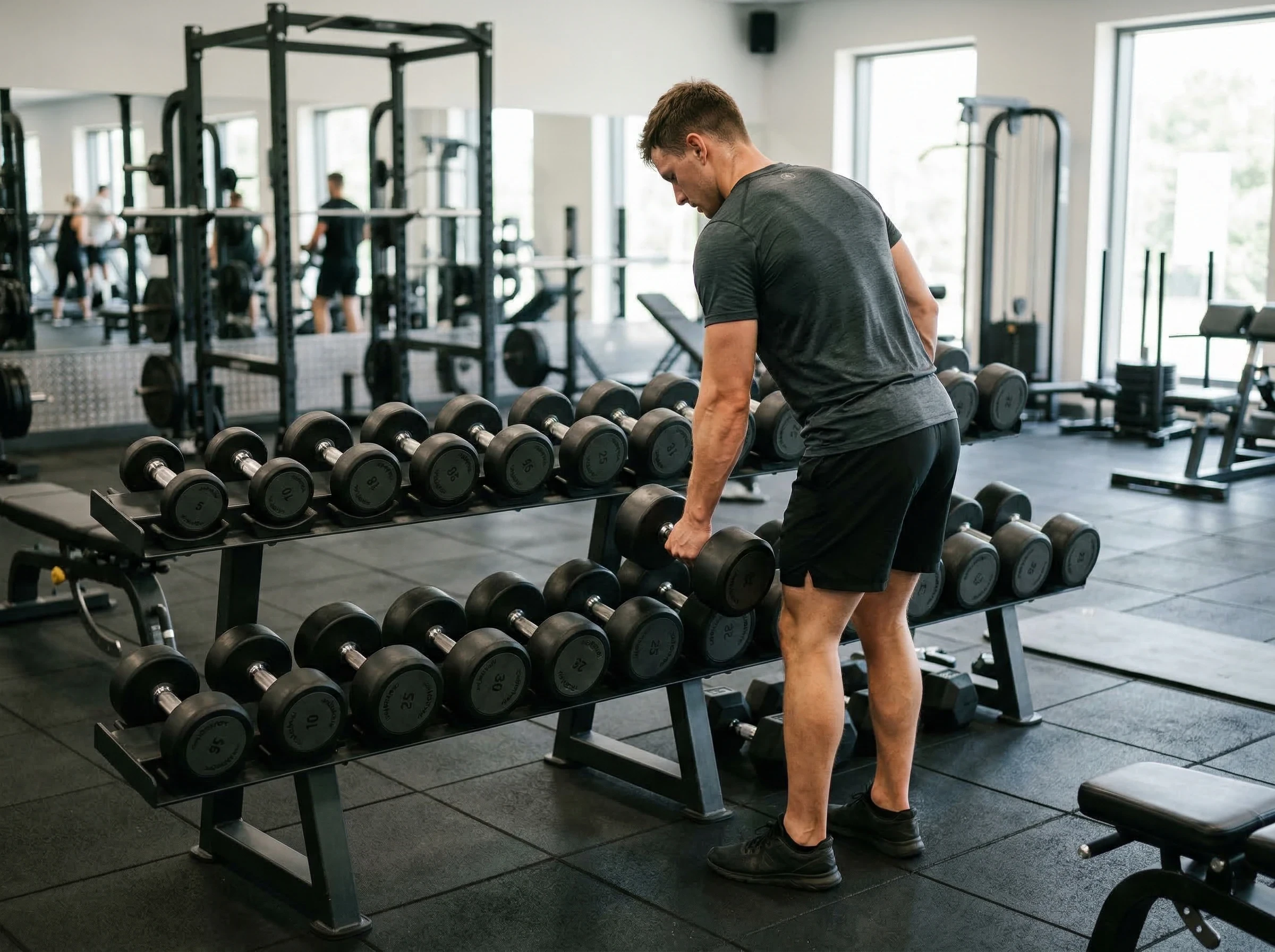
One of the best ways to feel confident in the gym is by respecting the equipment and spaces shared by everyone. After finishing an exercise with dumbbells, a barbell, or a kettlebell, it’s especially important to return them to their designated racks. Leaving weights scattered not only creates a tripping hazard but also makes it hard for others to find what they need. This applies to plates and handles as well. Returning gear helps everyone have a better workout experience.
When using a machine, avoid sitting there for extended periods, especially if you’re resting or texting in between sets. If you notice someone waiting, offer to let them “work in” (take turns during your rest) or let them know how many sets you have left. Keeping walkways clear matters too, especially near benches and larger equipment. Placement of your water bottle, towel, or bag should not block others. Basic consideration for space goes a long way toward building good gym relationships.
Always check for signs on equipment about time limits, especially on popular machines like the treadmill or elliptical. In busier gyms, sticking to these time frames allows everyone to put in a solid session. Treat all gear with care. Don’t slam weights or drop equipment unnecessarily, since it can damage the equipment, disturb others, and create a less respectful training environment. Showing this level of attention helps new members feel included and builds good vibes among the whole gym crowd.
Cleaning and Hygiene
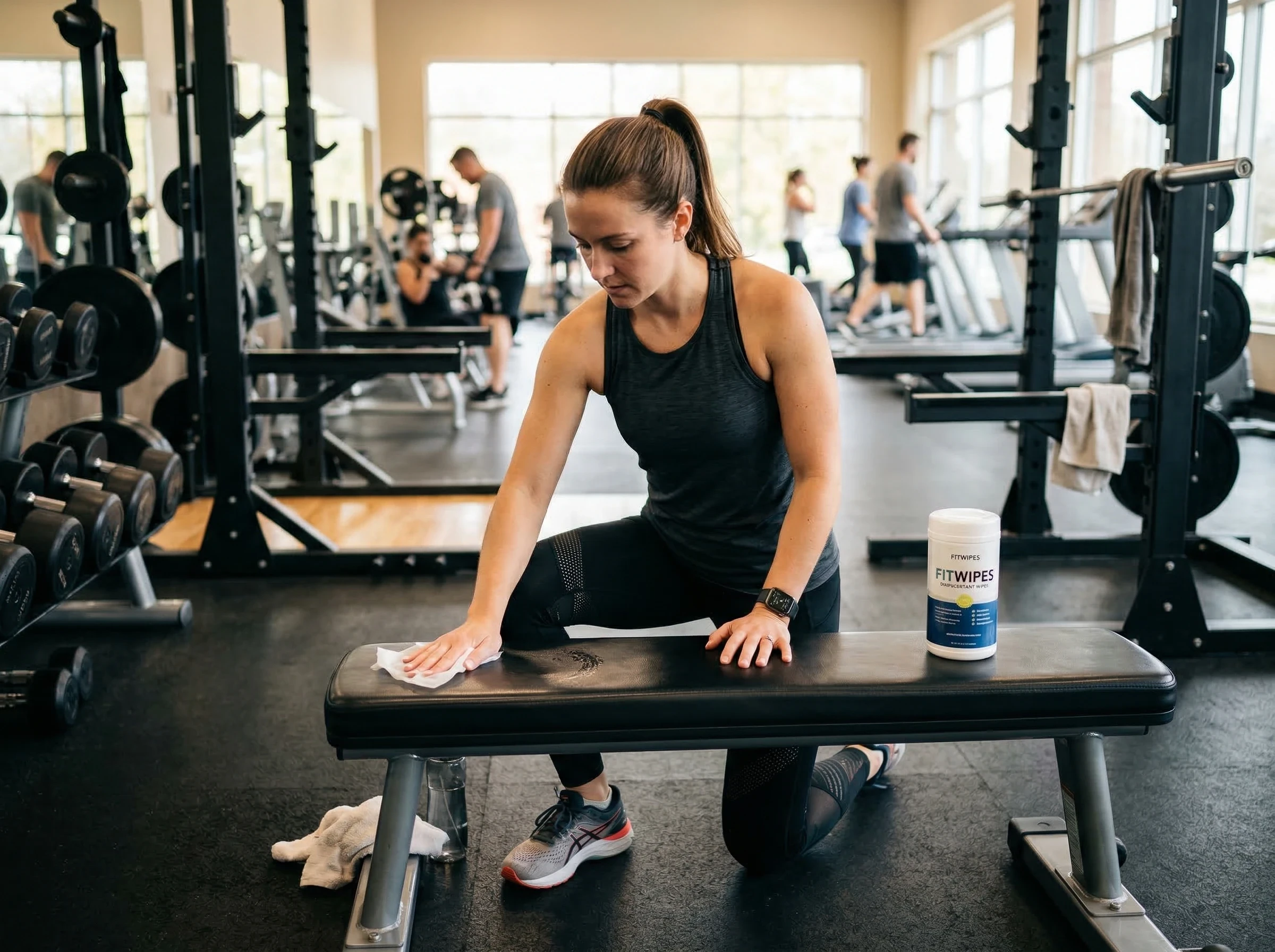
Keeping the gym clean is part of being a respectful member. Sweat inevitably happens, so wiping down equipment when you’re done is a standard practice. Most gyms supply disposable wipes or spray bottles with towels for this purpose. Simply wipe any area you touched, such as seats, bars, handles, or pads.
If you use a personal towel, place it between you and equipment surfaces to help absorb sweat. Hand sanitizer stations are usually available, and using them before and after your workout is a good idea. Showering after your session, especially if you use the pool or sauna, helps keep the facilities pleasant for everyone. Staying mindful of your own hygiene, using deodorant, and changing out of sweaty clothes soon after exercising keeps things more pleasant for you and others.
Don’t forget your shoes. Keep a pair just for the gym; this tracks less dirt inside and lengthens the life of gym floors. If your shoes or gear need cleaning, give them a quick once-over before you bring them inside. Clean environments put everyone at ease and step up the overall atmosphere of the gym. If you ever spill water or notice equipment that’s become especially sweaty, notify staff or wipe it down to help out. These small actions set a positive example for others.
Personal Space and Awareness
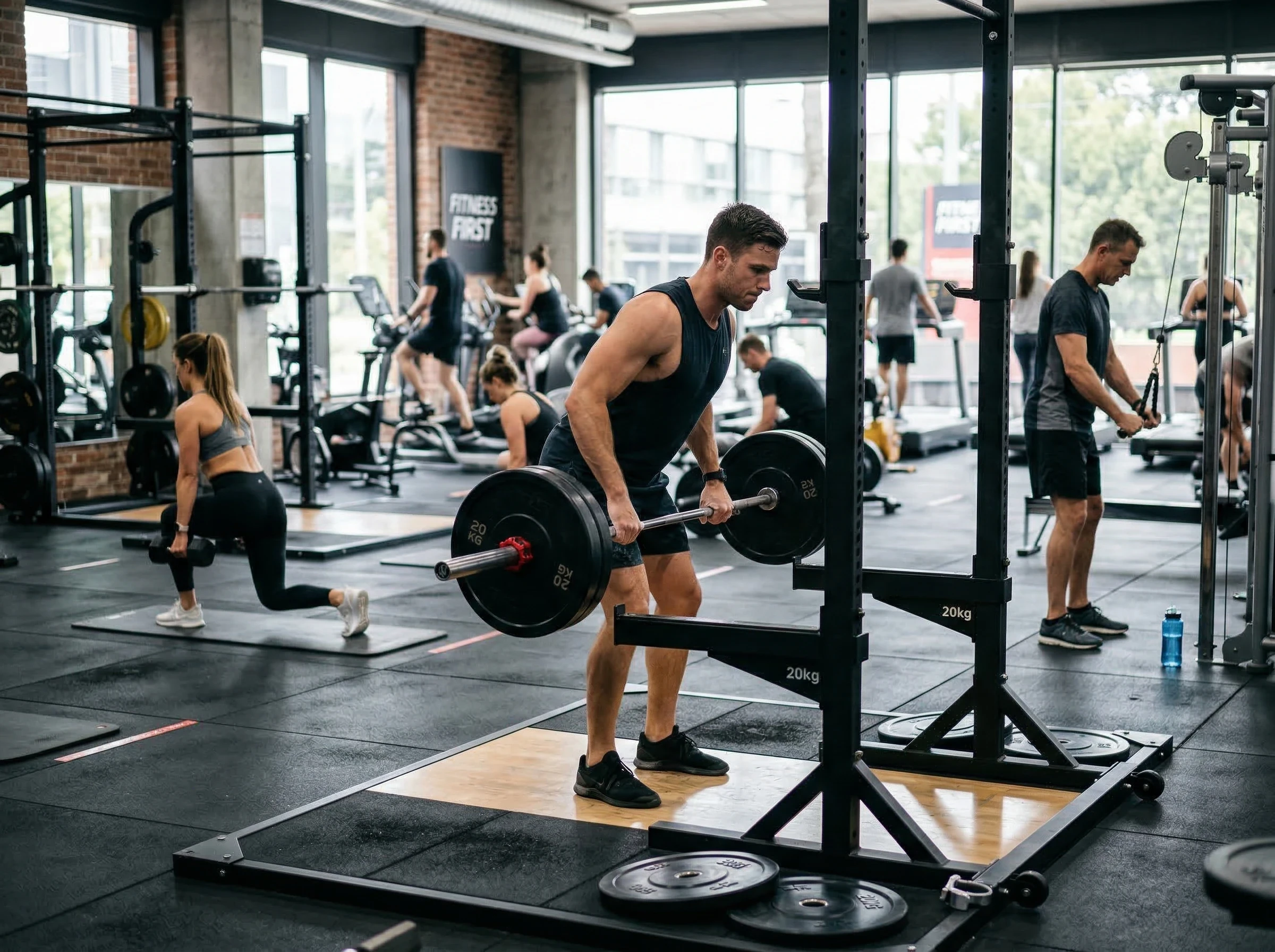
Respecting personal space makes everyone’s gym experience better. Give others enough room to lift, move, or exercise without feeling crowded. Standing too close to someone during a lift can distract or even create risks for both people. If a bench or squat rack is in use, avoid squeezing by; walk around instead.
Mirrors are not just for selfies. They help people check their form. Try not to stand directly in front of someone who is lifting and using the mirror. Keeping aware of your surroundings is also key for safety. Dumbbells, weights, and cardio machines get heavy use, so staying alert reduces the chance of bumping into others.
If you’re walking or stretching in an open area, avoid blocking exercise mats or any paths that lead to emergency exits. Stay present and make it easy for others to move around. Keeping this kind of awareness prevents accidents and makes the gym a friendlier space for everyone. Headphones also signal you’re focused on your own workout, which subtly communicates respect for personal boundaries.
Phone and Social Etiquette
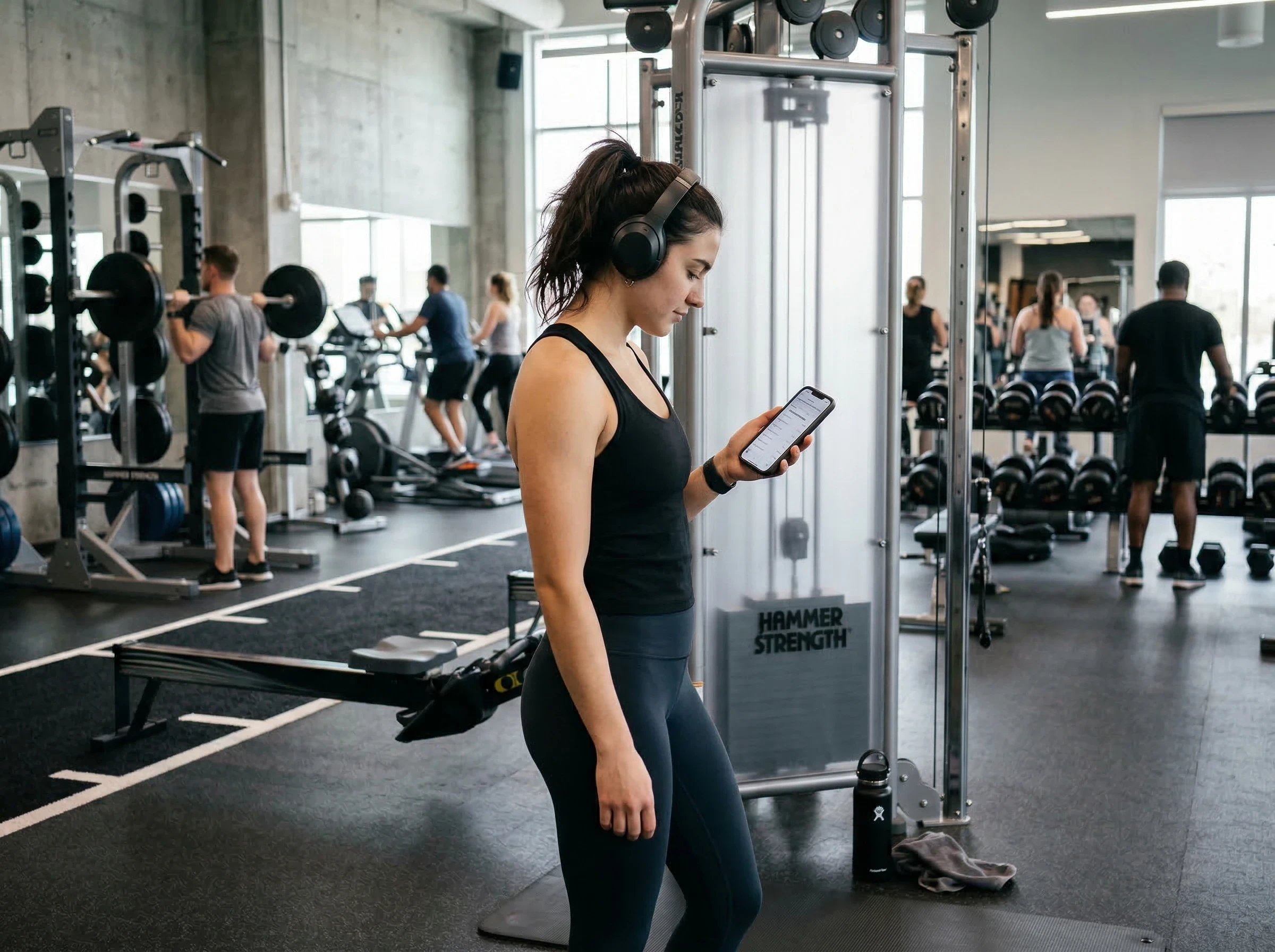
Phones are part of modern workouts, but using them respectfully is really important. If you’re using your phone to follow a workout program, keep the volume down and limit how much time you spend on social apps when sitting on gym equipment. Loud calls or videos can distract nearby members. If you need to make a call, step into a hallway or common area.
Many people enjoy music or podcasts during workouts. Wearing headphones shows consideration for those around you. If you plan to take photos or record workouts, be careful not to capture others in the background. Always check your gym’s policy on recording, and respect privacy. Sharing positive encouragement is great, but avoid interrupting others’ workouts for conversations; find a natural break or move to a social area instead.
At group classes, put your phone on silent and keep it off the mat or workout area. If you must answer an urgent message, leave quietly so as not to disrupt the energy of the group. Texting or calling in the locker room should be quick and private. Choosing times when the gym is less packed lets you focus and keeps interruptions to a minimum as well.
Asking for Help or a Spot
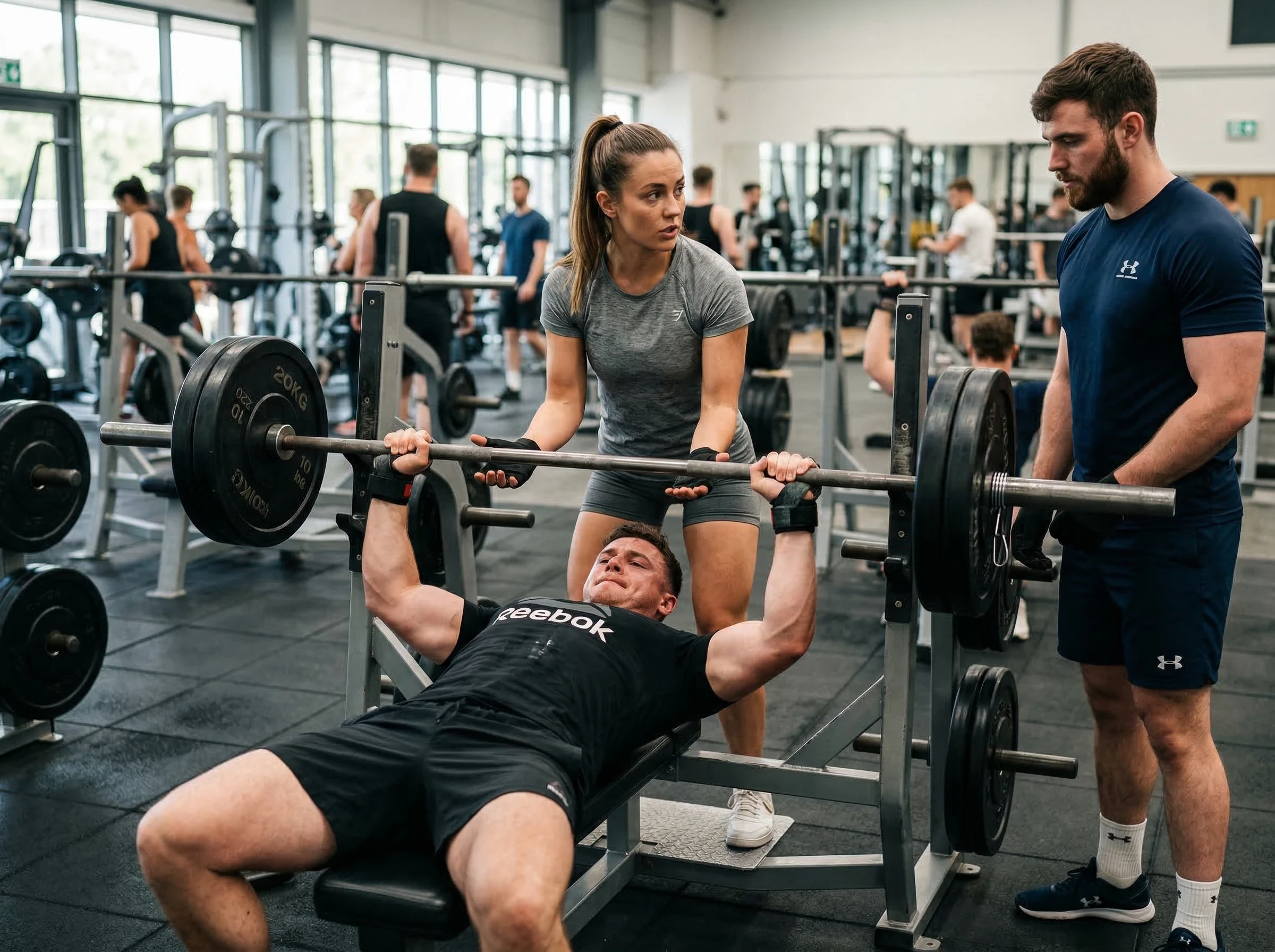
Asking questions is common in any gym. If you’re unsure how to use a piece of equipment, gym staff are usually happy to help. Many facilities even have trainers available to answer general questions. If you need a “spot” (help lifting a weight safely), a simple, polite request to someone nearby is perfectly acceptable. For example, “Could you please give me a spot on this set?” If someone asks you, it’s fine to say you’re not comfortable or to help if you feel able. If a task seems too advanced or you’re nervous, it’s better to seek out a staff member for assistance.
Never be embarrassed to check in about equipment settings, weight adjustments, or the safest way to lift. Most people at the gym have asked for help at some point. Often, members are happy to give advice or help secure safety pins, collar clamps, or other small equipment. Just make sure to quickly thank those who help, keeping things friendly and upbeat. Small moments like this help make the gym feel more supportive and beginner-friendly.
If you’re still learning which movements are worth focusing on first, this Beginner Bodybuilder Exercises: The Best Starter List For Muscle Growth can help you choose simple, effective exercises with more confidence.
Safety Practices for Beginners
Prioritizing safety is essential for getting the best results and avoiding setbacks. Health organizations also emphasize gradual progression and safe training habits, as outlined in the CDC Physical Activity Guidelines. Beginners sometimes overestimate what they can safely lift, but starting with manageable weights is safest. Focus on learning good form before raising the weight. Many injuries happen from “ego lifting.” Attempting heavy weights for the sake of appearances is not worth it. Using a mirror, asking staff for guidance, or recording your form (if allowed) all help reduce mistakes.
Sharp or sudden pain during exercise often means something is wrong. It’s better to pause and reassess, lower the weight, or talk to a staff member rather than push through pain. If you’re ever unsure about an exercise, ask for a quick walk-through or demonstration rather than guessing and risking injury. Remember, good technique prevents injuries and makes every repetition more effective. Consistent, mindful practice helps build a strong foundation for long-term progress.
Warm Up and Responsible Training
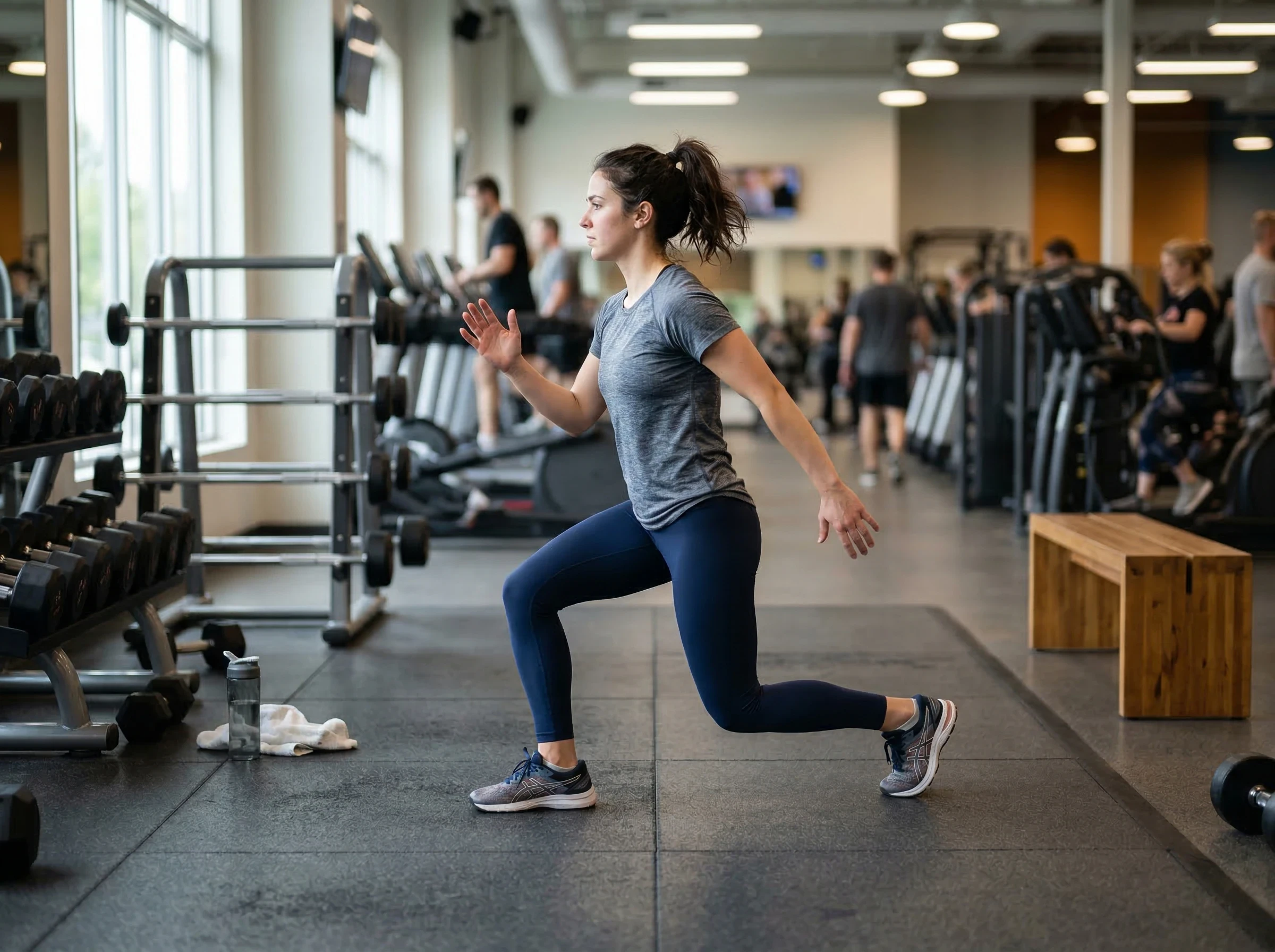
A good warm up helps prepare your muscles, joints, and heart for exercise. Even five to ten minutes on a treadmill, stationary bike, or with dynamic stretches makes a difference in how your workout feels. Warming up gradually, especially before lifting heavier weights, helps reduce the chance of strains or pulls.
Move from lighter to heavier work over time. Rushing into the hardest exercises without preparation can lead to setbacks. Even advanced lifters stick to structured warm up routines. There’s no need to feel self conscious about spending a little extra time on prep work. Including stretches or mobility moves specific to your routine gives your body a boost and prepares you for new challenges each session.
Injury Awareness and Modification
Learning the difference between normal workout soreness and injury pain is important. Muscle soreness usually shows up a day or two after activity and fades with light movement and stretching. Sharp, stabbing, or sudden pain during an exercise often means something is off.
Modifying an exercise by lowering the weight, limiting the range of motion, or choosing a different movement can help if something does not feel right. Trying alternatives is smart, not a sign of weakness. If pain lasts more than a few days or keeps coming back, seeking advice from a medical or fitness professional is a good idea. Trust your body, and don’t let ego get in the way of long term progress. Preventing injury is always more efficient than rehabbing after the fact.
Proper Pacing and Sustainable Progress
Fitness progress builds steadily with consistent effort. Everyday improvements matter more than chasing instant results. Most reliable gains come from regular training, not from trying every tip or shortcut found online. Avoid extremes like doing several advanced classes in a row, skipping recovery, or comparing your progress to others in the gym.
Everyone’s adventure looks a little different. Focus on setting small, personal goals that keep you excited and motivated. Rest and recovery are just as important as the workouts themselves for making sustainable gains over time, and these Muscle Recovery Tips for Beginners: Sleep, Rest Days, and Faster Muscle Growth explain why recovery plays such a big role in progress. Planning for one or two rest days a week helps avoid burnout and keeps your body ready for new workouts. Celebrating progress, no matter how small, gives you a boost in confidence too.
Common Beginner Mistakes to Avoid
- Random workouts: Wandering between machines without a plan often leads to confusion or missed progress. Following a basic program helps build confidence and results.
- Improper equipment use: Using machines or free weights incorrectly can be unsafe and less effective. Watch instructions carefully or ask for a quick demo.
- Skipping warm ups: Jumping straight into heavy lifting increases the risk of injury. Take a few minutes to prep your body.
- Imitating advanced lifters: Lifting beyond your level, just because someone else does, often leads to poor form or injury. Focus on your own stage and progress.
- Overtraining: More isn’t always better. Rest days are just as important as training days. Listen to how your body feels.
Many of these habits overlap with common training errors that slow progress, which is why it helps to review these Workout Mistakes For Beginners: 10 That Slow Muscle Growth as you build better gym habits.
Unwritten Gym Rules Most Beginners Don’t Know
Some of the most helpful gym etiquette habits are not always posted on the wall, but they still matter. Learning these unwritten rules can help you feel more comfortable, avoid awkward moments, and show respect for the people around you.
- Don’t interrupt someone in the middle of a set unless it’s an emergency.
- Don’t claim multiple machines or benches at once during busy hours.
- Avoid wearing strong colognes or perfumes, since enclosed gym spaces make scents much stronger.
- Return dumbbells, plates, and accessories to the exact place you found them.
- Respect staff instructions, posted gym rules, and time limits on popular equipment.
- Keep conversations friendly, but don’t turn workout areas into long social hangouts.
- If someone is using a mirror to check form, avoid standing directly in front of them.
- If you’re unsure whether something is okay, the safest rule is simple: leave the space better than you found it.
These small habits may seem minor, but together they make a big difference in how welcoming and respectful a gym feels.
Building Confidence at the Gym
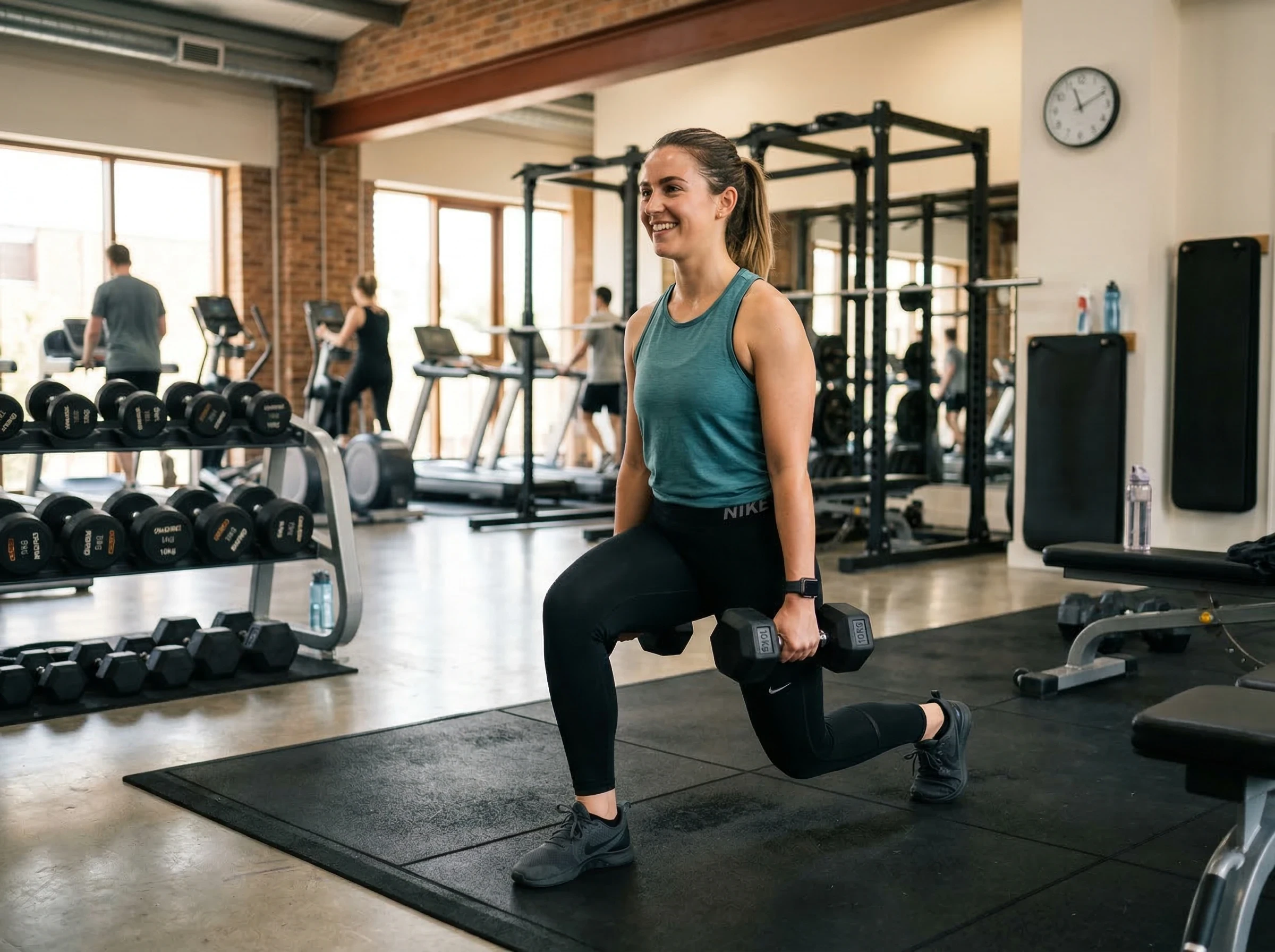
Starting strong isn’t about knowing everything upfront. It’s about staying open to learning. Try beginning with exercises or equipment you already know, then add new moves gradually. Some beginners find it easier to train during less crowded hours, so it can help to experiment with different times of day and see when your gym feels most comfortable.
Following a structured program, even a simple one, gives order to your session and helps you avoid feeling out of place. Tracking progress—whether by logging workouts in a journal, app, or mentally noting improvements—reinforces a positive mindset. Celebrate small wins, and don’t be discouraged by setbacks. Every person at the gym started out new, and a little patience combined with respectful behavior helps you fit right in. Consider joining a beginners class or orientation, if your gym offers one, to meet others starting out and get familiar with more areas of the facility.
Wrapping Up
Going to the gym as a beginner can feel scary, but learning some basic etiquette quickly turns it into a comfortable routine. Most people aren’t noticing your mistakes; they might even remember starting themselves. By preparing in advance, staying safe, and treating others with respect, you’ll build both fitness and self-assurance every time you train. Every visit builds knowledge and confidence, and before long, you’ll be the one helping others feel welcome on their own fitness journeys. Remember, everyone’s starting point is different, so focus on your progress, stay positive, and keep coming back for a rewarding experience both mentally and physically.
Author Note:
I’m Angel Carcamo, founder of Lift and Nurture. I create beginner-friendly fitness guides built around evidence-backed training principles, with a focus on helping new lifters build strength safely, confidently, and consistently.