

Starting a workout routine is exciting, but the path to building muscle can be confusing for beginners. With so much conflicting advice out there, it’s easy to make mistakes that slow progress without even realizing it. Many people try to follow what they see on social media or copy experienced lifters, but forget the simple basics that actually drive results in the gym.
If you’re new to strength training or coming back after a break, it helps to know which common mistakes hold most people back from making steady gains. Small changes in your training, nutrition, and recovery habits can make a big difference in how quickly you see results.
This guide walks through the 10 most common beginner workout mistakes that slow muscle growth. You’ll learn exactly what these mistakes look like, why they happen, and simple tips to fix them quickly. Following a clear and supportive approach, you’ll also find answers to the most popular beginner questions about building muscle and setting realistic expectations.
1. Training to Failure Every Set
One of the biggest mistakes beginners make is pushing every set to total exhaustion, known as “training to failure.” This means doing an exercise until you physically can’t do another rep with good form.
Many beginners try to copy advanced lifters or think that more effort means more gains. It’s easy to believe that if you’re not completely spent after every set, you’re not working hard enough.
Training to failure every time can overload your muscles and nervous system, leading to fatigue, poor recovery, and even higher risk of injury. Research shows that consistently going to failure can actually slow muscle growth for beginners, since the body doesn’t have time to repair and adapt.
A better approach is to stop each set one to three reps before failure. This still works your muscles hard but leaves enough energy for good recovery and progress. Many beginner programs recommend using a weight that is challenging but allows you to keep a couple of reps “in reserve” each set.
2. Not Using Progressive Overload
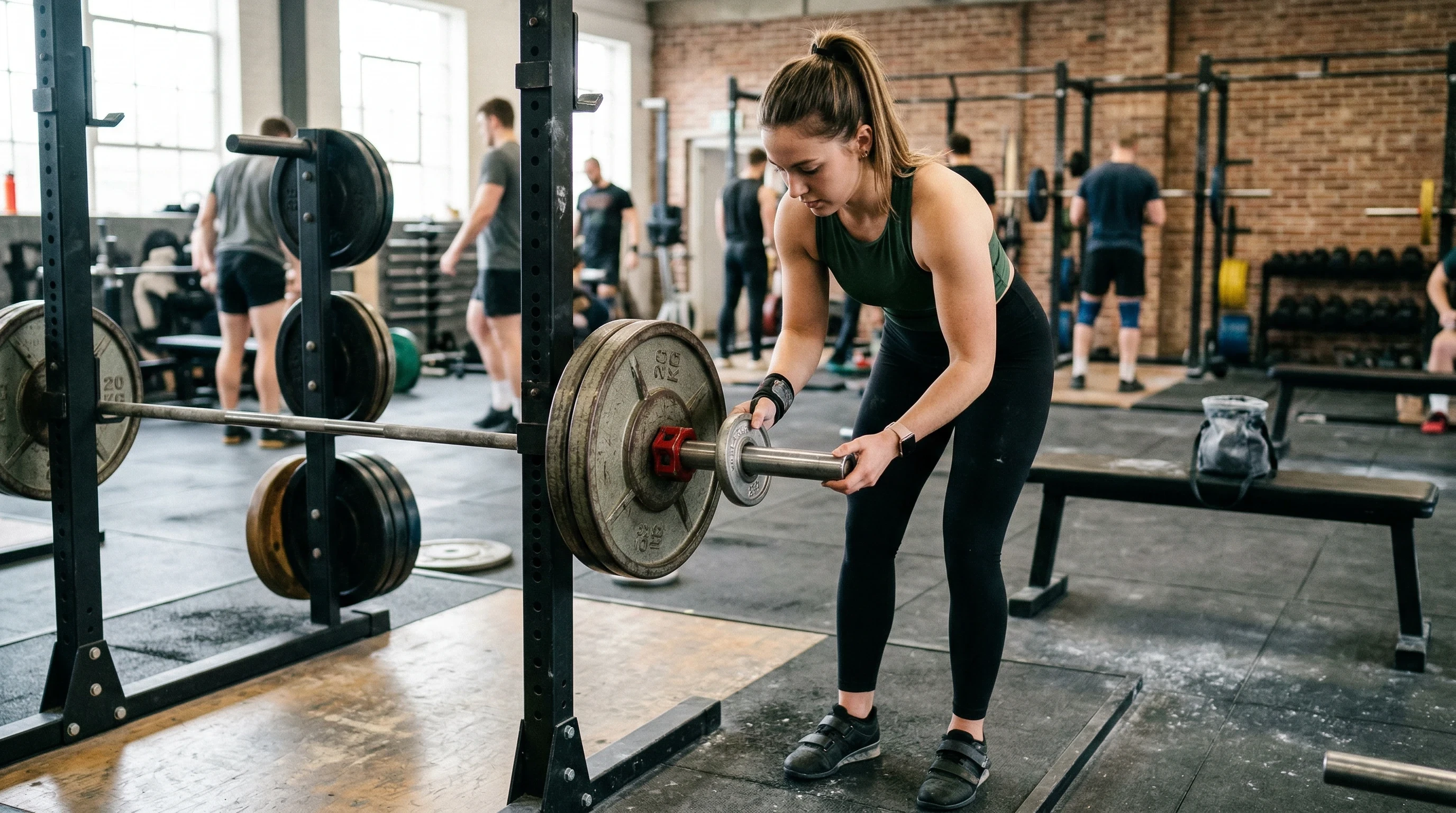
Progressive overload means gradually increasing the demands you put on your muscles over time. If you’re unfamiliar with how this works, read my guide on progressive overload for beginners. This could be more weight, extra reps, or more sets as you get stronger. Without progressive overload, your muscles don’t get a strong enough signal to grow.
Many beginners stick with the same weights or routine for weeks because it feels comfortable or they’re worried about switching things up. This stalls your progress because your body gets used to the same stress and has no reason to change further.
Sticking with the same routine makes workouts easier, but muscle growth slows down if the challenge stays the same. Research shows progressive overload is one of the most important principles for building strength and muscle at any stage.
Start by tracking your exercises, weights, and reps in a notebook or app. Each week, aim to add a little more—whether that’s an extra rep, a slightly heavier weight, or another set. Small increases really add up over time and keep your progress steady.
3. Changing Exercises Too Often
Some beginners switch up their exercises every workout, hoping to “shock” their muscles into growing. It can feel more exciting, but it keeps you from getting better at any one movement.
It’s easy to get bored or distracted by all the options you see online. Program hopping also happens when people get impatient with their results and think a new move will work better.
Constantly swapping exercises makes it hard to practice good form and track your progress. It stops your body from adapting and getting stronger at key movements, which is important early on.
Pick a handful of basic exercises for each muscle group, like squats, pushups, or rows, and repeat them each week for at least four to eight weeks. This allows your muscles time to adapt and lets you actually see your strength improving.
4. Ignoring Recovery and Sleep

Muscle growth doesn’t actually happen in the gym; it happens while your body recovers. I explain this in more detail in my guide on muscle recovery tips for beginners. Skipping recovery days or getting poor sleep is a super common mistake, especially for motivated beginners.
Sometimes it feels like more workouts mean more muscle, or you might worry about losing progress on rest days. Stress, busy schedules, or late-night screen time can also make sleep and recovery tough for many people.
Poor recovery means your muscles stay tired and can’t repair themselves properly. This can lead to plateaus, burnout, or even injuries. Research shows that sleep is essential for muscle growth because most repair and growth hormone release happen then.
Make sleep a priority by aiming for seven to nine hours each night. Schedule at least one complete rest day between hard gym sessions, and listen to your body’s cues if you feel worn out. Stretching, hydration, and light walking can help speed up recovery too.
5. Not Eating Enough Protein

Protein is a vital building block for muscle repair and growth. If you’re unsure how much protein beginners actually need, read my guide on how much protein beginners need to build muscle. Many beginners don’t get enough protein after workouts or throughout the day, which slows down results.
This can happen for a bunch of reasons; maybe you’re unsure how much protein you need, you forget meals, or you don’t enjoy typical protein foods. Sometimes it’s just a lack of planning ahead.
Low protein intake makes it hard for the body to repair and grow new muscle tissue after exercise. Even with consistent workouts, if your diet falls short, muscle gains won’t come as quickly or easily.
Aim to include protein in every meal; options include chicken, fish, eggs, tofu, or beans. Many sources recommend beginners target about 0.7 to 1.0 grams of protein per pound of bodyweight each day. Prepping protein rich snacks in advance can make this much easier.
6. Training Too Many Days Per Week
New lifters sometimes hit the gym nearly every day, thinking that doing more is better. It’s common to feel eager or to worry about missing out on gains by taking rest days.
Motivation and excitement can lead to overcommitting to six or seven days a week. Social media also praises “no days off,” which can give beginners the wrong idea about what’s sustainable.
Working out without rest often leads to fatigue, sore joints, and stalled results. Muscles actually need rest days for growth. Most beginners see the best results with three to four strength training sessions weekly, according to many expert programs.
Set up your schedule with at least two to three rest days a week, or alternate training days for different muscle groups. Balance hard workouts with gentle activities like walking or stretching on your days off.
7. Poor Exercise Technique
Using the wrong form, rushing through reps, or skipping proper warmups are mistakes that almost all beginners make when starting out.
This may happen when you’re not sure if you’re doing an exercise right, or if you try to lift too much weight too quickly. Sometimes peer pressure or wanting to “keep up” with others leads people to cut corners on form.
Poor technique slows muscle growth because the right muscles aren’t working as they should. It also ups your risk of injury, which can keep you out of the gym altogether.
Take your time to learn how to do each exercise safely. Watch trusted video demonstrations, check your form in a mirror, or ask gym staff for advice. Use lighter weights until you’re confident with the movement, and always start your session with a warmup.
8. Not Following a Structured Program
Showing up and randomly picking exercises each session is a mistake that leaves progress up to chance and makes results unpredictable.
This usually happens when you’re unsure what to do or want to try everything. While mixing things up can be fun, unplanned workouts usually skip important muscle groups or push too hard in one area and too little in another.
Lack of structure makes it hard to track your progress and be sure every muscle is getting the attention it needs. Research supports that having a balanced plan, either from a trusted source or one you’ve put together yourself, helps you get better and safer results.
Find a simple beginner program online or in a fitness app. If you’re unsure where to begin, my Beginner Bodybuilding Workout (12-Week Foundation Blueprint) explains how to structure a beginner program step-by-step. If you’re looking for a simple routine to start with, this 3-day workout schedule for beginners shows how to organize full-body training across the week. Structured plans usually focus on three to four days a week, hit all major muscle groups, and build up difficulty gradually.
9. Doing Too Much Cardio
Many beginners think that extra cardio will help them get “toned” or lose fat faster, so they pile on the running or cycling along with strength training days.
This often happens when people want to lose weight and gain muscle at the same time, or feel uneasy about lifting weights without a cardio “warmup.” There’s also some misinformation suggesting muscle can turn into fat if you ditch cardio altogether.
Ongoing cardio can make it harder to recover and leaves your body with fewer resources to build muscle. It may lead to fatigue, and occasionally even muscle loss if your diet isn’t on point.
Keep cardio moderate: two to three moderate sessions per week of 20 to 30 minutes each is plenty for most beginners who want to support general health and muscle gain at the same time.
10. Expecting Results Too Quickly
Setting your expectations too high in the first few weeks is an easy way to get frustrated and discouraged. Many people believe they’ll see massive changes in just a few gym sessions thanks to transformations they see online or in magazines.
This is normal; starting something new is exciting and you want to see that your hard work is paying off. Outside pressure from “before and after” photos or big claims on social media makes it easy to forget how gradual muscle building really is, especially in the first year.
Muscle growth happens slowly, even with consistent training and nutrition. Most beginners typically gain one to two pounds of muscle a month when following a good routine and diet, according to studies. Getting stronger, feeling more energetic, or noticing changes in how your clothes fit are all signs you’re on the right track—even if the scale doesn’t move quickly.
Track your workouts, take occasional progress pics, and celebrate small steps, like improved strength or better stamina. Stay patient and keep in mind results build up over months, not days.
How Muscle Growth Works: Training, Nutrition, and Recovery
Muscle growth depends on the balance between challenging workouts, quality nutrition, and effective recovery. Skipping any one part can drastically slow your results, especially when you’re just starting out.
Consistent strength training provides the “go” signal for muscles to get stronger. Eating enough calories and protein supplies the materials for muscles to repair and grow. Rest and sleep give your body the time it needs to rebuild, making you stronger for your next training session.
Many beginners overlook the importance of a well-rounded approach. Try tracking your nutrition and sleep alongside your workouts to spot patterns and see where you can give yourself a boost. Sometimes, improving just one area—like upping your daily protein or committing to regular bedtime—can unlock the progress you’ve been missing.
Beginner Muscle Building Fundamentals
Progressive Overload
Progressive overload is the gradual increase in workout challenge. Ways to add this challenge include lifting slightly more weight, completing another rep or two, or shaving a few seconds off your rest periods. Changing just one of these elements week by week keeps your muscles growing steadily. Most starter programs suggest small jumps in weight or reps every week or two for best results.
Protein Intake for Muscle Growth
Getting enough protein each day is the foundation for recovering and building muscle after your workouts. For best results, try to have a serving at every meal, and don’t skip your postworkout snack. Many experts agree that a target of 0.7 to 1.0 grams per pound of bodyweight daily works well for most people starting out.
Sleep and Recovery
Recovery is when your muscles do most of their repair work. Shoot for seven to nine hours of sleep a night, and give yourself two or three days free of strength training each week. If you’re not well rested, make it your top priority—your results depend on it. Light activities like stretching or walking are fine for active rest days and can even soothe sore muscles.
Setting Realistic Timelines
Building visible muscle takes time, especially if you’re new to lifting. Expect the biggest jumps in strength in your first months, with visual changes becoming more noticeable after several months. Snap new progress photos every four to eight weeks and pay attention to how your body feels and performs, not just the number on the scale.
Why avoiding Beginner Workout Mistakes Matters
Avoiding beginner workout mistakes can dramatically improve how quickly you see progress in the gym. Many new lifters focus only on training harder, but long-term muscle growth comes from combining smart programming, progressive overload, proper nutrition, and recovery.
By avoiding these common mistakes early, beginners can build strength more efficiently, reduce injury risk, and create sustainable habits that support long term muscle development.
FAQ: Common Beginner Questions About Muscle Growth
How hard should beginners train?
Train with enough effort to challenge yourself, but don’t go until you’re completely wiped out. Stopping each set with one to three reps left in the tank helps keep your form sharp and your energy up for your next set. Training to failure on every set isn’t needed—aim for smart, steady progress instead.
How often should beginners work out?
Three to four strength sessions a week is plenty to stimulate muscle growth and let your body recover between workouts. Spread them out across the week with rest days in between for best results.
Should beginners train to failure?
No—there’s no need to go to failure every set. Leaving a few reps “unspent” helps you keep your form clean and reduces injury risk. Research suggests this method works just as well, particularly when you’re learning the ropes.
How long does it take beginners to build muscle?
Most people starting out see their biggest jumps in strength within the first two to three months. On average, gaining one to two pounds of muscle per month is realistic, assuming solid effort, good nutrition, and enough sleep. Results can switch up based on genetics, consistency, and how well you stick to your plan.
What is the biggest mistake beginners make in the gym?
The big one is trying to do too much all at once—by training every day, picking up poor form, or skipping needed rest. For best results: keep things simple at first, pay attention to your technique, and let consistency do the heavy lifting.
Author Note
Lift and Nurture is dedicated to helping beginners understand evidence-based bodybuilding principles in a clear, practical way.
Many new lifters struggle not because they lack motivation, but because they unknowingly repeat common mistakes that slow progress. This guide was created to help you avoid those traps and focus on the fundamentals that actually drive muscle growth.
If you’re new to training, remember that consistent effort, progressive overload, proper nutrition, and recovery matter far more than complicated routines. Mastering the basics early creates the strongest foundation for long term strength and muscle development.