 Nutrition is one of the first steps many people focus on when starting a muscle building program. Getting strong and building muscle goes far beyond just lifting weights; it relies heavily on what you eat daily. The foods you choose, the portions you eat, and how you fuel your workouts all contribute to your progress.
For those new to strength training, understanding the basics of nutrition is really important. There are a lot of opinions online, and some advice can seem very complicated, but research shows that beginners make steady progress by focusing on a few key habits: eating enough food, getting high quality protein at every meal, and including a balance of healthy carbs and fats.
This guide breaks down everything you need to know about muscle building nutrition as a beginner. It covers calories, protein, carbs, fats, fiber, and important nutrients. You’ll also find a practical list of muscle building foods and a simple meal plan example to help you get started. Whether you’re just getting started or looking to fine-tune your plan, this all-in-one resource can support your fitness adventure.
The Basics of Muscle Building Nutrition
Science shows that muscle growth, also known as hypertrophy, happens when your muscles are given the right stimulus from strength training and the proper nutrients for recovery. Beginners often see visible progress by combining regular training with consistent, balanced meals.
Building more muscle usually means you need to eat more calories than your body burns each day. This extra energy helps repair and grow new muscle tissue after workouts. But reaching your goals does not require eating massive amounts of food or following a complicated meal plan. For most beginners, steady progress comes from keeping things simple and aiming for regular meals. Over time, you’ll build strong habits that support lasting progress.
- Calories: Consuming enough total calories is needed for muscle repair and growth. Eating too little may make it harder to see muscle gains, even with a good workout plan.
- Protein: This builds and repairs muscles. Most beginner training programs and research suggest aiming for protein at every meal to support your efforts.
- Carbohydrates: These supply energy for workouts. Carbs help fuel your training sessions and support recovery.
- Fats: Healthy fats serve many roles, such as hormone function and joint health. They are also a concentrated source of energy.
The combination of all these nutrients helps your body recover from workouts and build new muscle. When you put in work at the gym, your body puts in work rebuilding, using the food you eat as the building blocks for new strength.
Calories: Why Energy Balance Matters
Every person has a unique calorie need based on factors like age, weight, height, and physical activity. In the context of muscle building, the main goal is to eat enough to support recovery and growth, without consistently eating far more than your body can use, which can lead to excess fat gain. Finding your ideal energy balance takes some experimentation, but you’ll learn your body’s cues with consistency and patience.
Experts often recommend a small calorie surplus for beginners who want to build muscle. This usually means eating just enough extra calories per day, anywhere from 150 to 300 more than you burn, to allow for growth without overdoing it. Many calorie calculators online can estimate your daily needs, but focusing on eating regular, balanced meals is enough for most beginners. If you want a deeper breakdown of calorie targets, check out our guide on how many calories beginners need to build muscle. Over time, tracking progress and adjusting intake based on your results can keep things on track.
- Consistency is important. Skipping meals or not eating enough can slow down muscle growth, so regular eating habits support your progress. Eating at the same times each day can also help your body stay on a rhythm.
- No need to count every calorie. Beginners typically benefit from tracking meals informally or using portion sizes rather than strict calorie targets. For instance, using your palm to estimate a protein portion or your fist for carbs can make things easy and approachable.
As you get more comfortable, you can adjust your portions depending on progress in the gym and how your body feels each week.
Protein: The Building Block for Muscle Growth
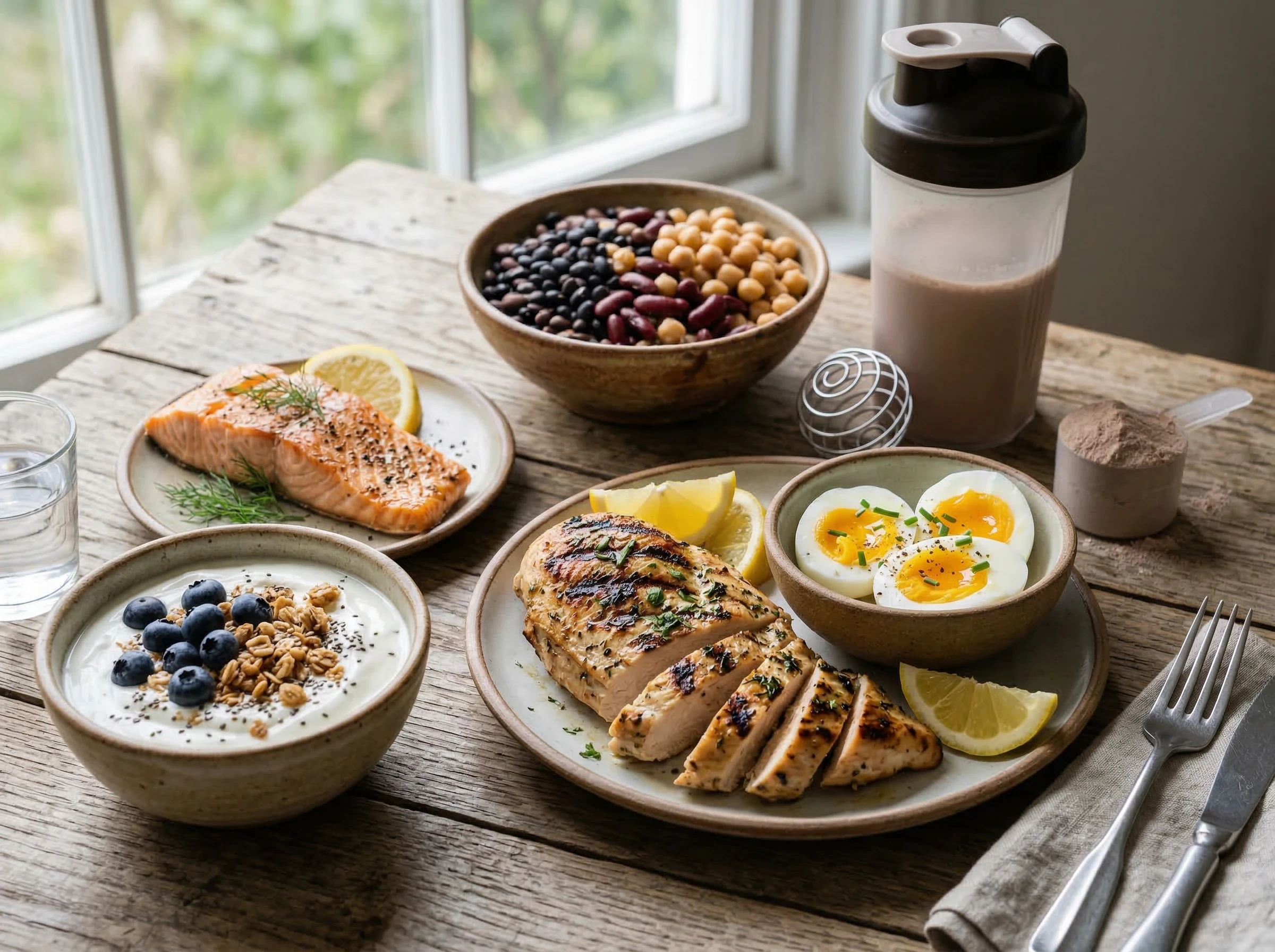
Protein is one of the most talked about nutrients when it comes to muscle building. It provides the amino acids your muscles use for repair and growth after training. Research shows that getting enough protein, especially spread across the day, helps beginners increase muscle mass more effectively. Consistent protein intake is like giving your muscles the raw materials they need right when they need them.
How Much Protein Do Beginners Need?
Most studies and guidelines suggest that beginners aiming to gain muscle should eat about 1.6 to 2.2 grams of protein per kilogram of body weight per day (approximately 0.7 to 1 gram per pound). You can also read our detailed guide on how much protein beginners need to build muscle to better understand your daily protein targets. Consuming protein at every meal, and after workouts, supports muscle recovery. Having protein regularly throughout your day is more helpful than just loading up at dinner or post workout.
- Examples of protein rich foods: Chicken, beef, eggs, Greek yogurt, cottage cheese, tofu, lentils, beans, fish, whey protein powder (optional).
- Spread it out: Dividing your daily protein over three to five meals gives your body a steady supply of what it needs. Even snacks can be a chance to get more protein in.
Protein Timing for Beginners
Having protein at regular intervals appears to support better results than getting most of your protein in one sitting. Many meal plans for beginners include a good source of protein at breakfast, lunch, dinner, and snacks. You don’t have to stress about perfect timing—just make protein a habit at each meal and after exercise, if possible.
If you’re hungry before bed, a high protein snack like cottage cheese or Greek yogurt can support overnight recovery. Experiment with timing to find what works best for your lifestyle and training schedule.
Carbohydrates: Fueling Performance and Recovery
Carbohydrates (carbs) are the main source of energy for resistance training and many other types of exercise. They help your body perform better during workouts and refill your energy stores afterward. Without enough carbs, you might feel sluggish or hit a wall during hard training sessions.
Choosing the Right Carbohydrates
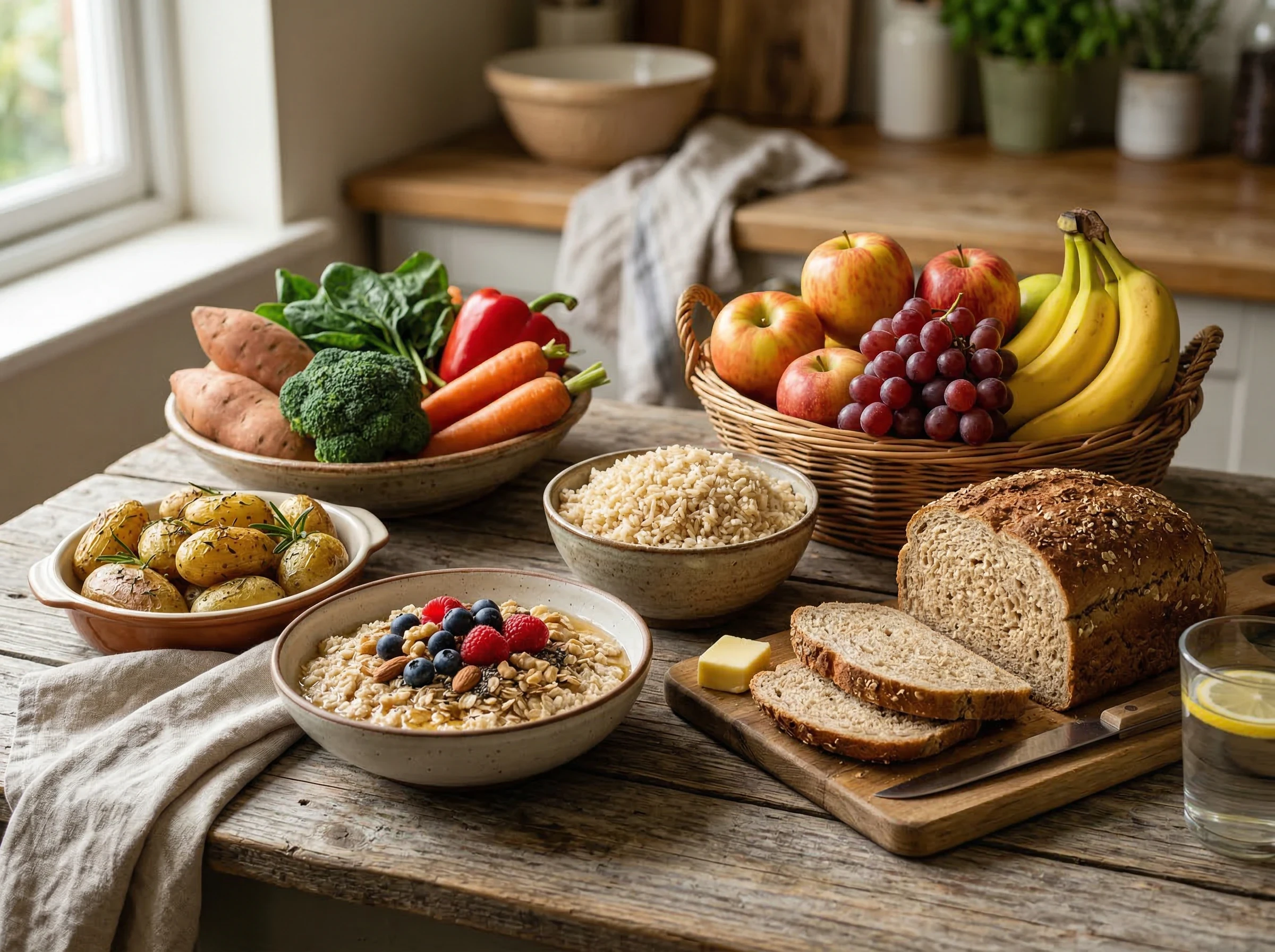
Whole food sources such as brown rice, oats, potatoes, fruits, and vegetables are rich in complex carbs and supply fiber, vitamins, and minerals. These options help support steady energy levels, especially for long or intense workouts. Simple carbs like sugar and white bread give a quick energy boost but may not provide lasting fuel.
You don’t need to avoid simple carbs altogether, but leaning on whole, unprocessed options more often helps steady your energy. Carbs also support glycogen storage in muscles, which means more fuel for strength work.
Understanding Glycemic Index
The glycemic index ranks carbohydrates by how quickly they are digested and raise blood sugar. Foods with a low or medium glycemic index (such as oats, sweet potatoes, and most fruits) release energy slowly and help you feel full longer. High glycemic choices (like white bread and candy) cause faster drops and spikes in energy, which can lead to crashes or hunger soon after eating.
For most beginners, focusing on a mix of whole grains, fruits, and vegetables works well. These support both energy for training and overall health. Remember, it’s what you eat most of the time that matters most.
Healthy Fats and Micronutrients
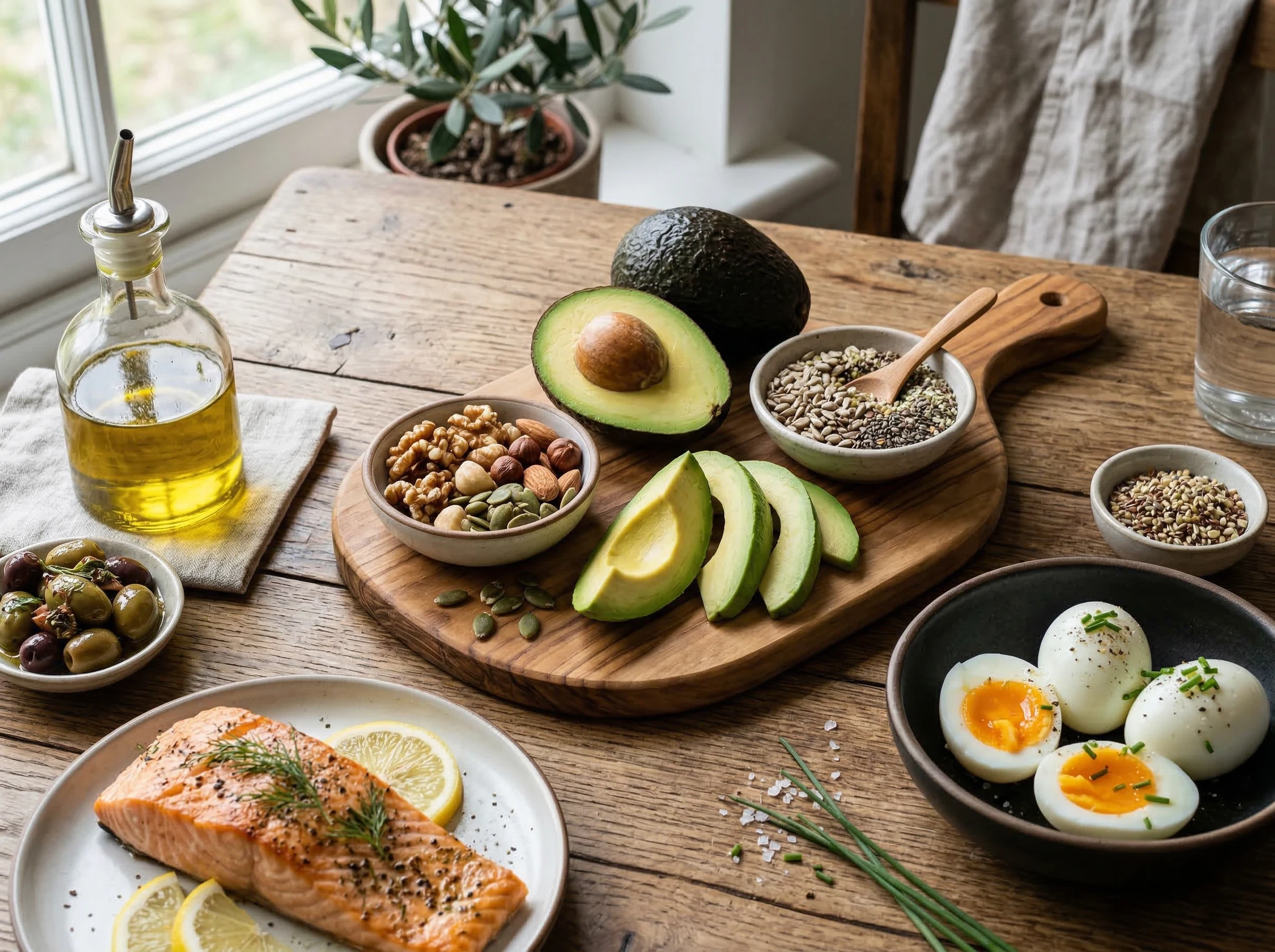
Fats are an essential part of your diet, supporting hormone production, brain function, and joint health. Eating a mix of different types of fats—saturated, monounsaturated, and polyunsaturated—works best for most people. The old myth that fats are bad for you has been debunked; the key is balance and choosing mostly sources like olive oil, avocados, and fatty fish.
- Sources of healthy fats: Olive oil, avocados, nuts, seeds, fatty fish, eggs, cheese, and full fat yogurt.
- Fats and meal balance: Including a moderate amount of fat in each meal can help you feel satisfied and supports stable energy. Fat helps slow down digestion and keeps you feeling full longer after eating.
Micronutrients, which include vitamins and minerals, support many important processes in the body such as muscle contraction, energy production, immune function, and recovery from workouts. While they don’t provide calories like protein, carbohydrates, and fats, they play a key role in keeping your body functioning properly.
Most beginners don’t need to worry about tracking every vitamin or mineral individually. Instead, a simple strategy is to focus on nutrient-dense whole foods. Eating a variety of fruits, vegetables, whole grains, and quality protein sources naturally provides most of the micronutrients your body needs.
Many nutrition guidelines recommend aiming for at least five servings of fruits and vegetables each day and including foods with different colors. Different colored foods often contain different vitamins, minerals, and antioxidants that support overall health and recovery.
Fiber: Supporting Digestion and Health
Dietary fiber, found in fruits, vegetables, whole grains, and legumes, supports digestive health and keeps you feeling full. Getting enough fiber can also help manage blood sugar and support the absorption of important nutrients from foods. Fiber slows the breakdown of carbs, so your energy lasts longer, and helps keep your gut happy.
- Fiber rich foods: Beans, lentils, oats, whole wheat bread, broccoli, carrots, apples, berries, and peas.
- How much fiber: Most adults should aim for around 25 to 30 grams of fiber per day. Including some fiber rich foods at every meal is a simple way to reach this target.
A good way to increase your fiber is to swap out refined carbs for whole grain versions and to add fruits or veggies to snacks and meals. Also, drinking plenty of water can make it easier for your digestive system to process more fiber.
Beginner Friendly Muscle Building Foods
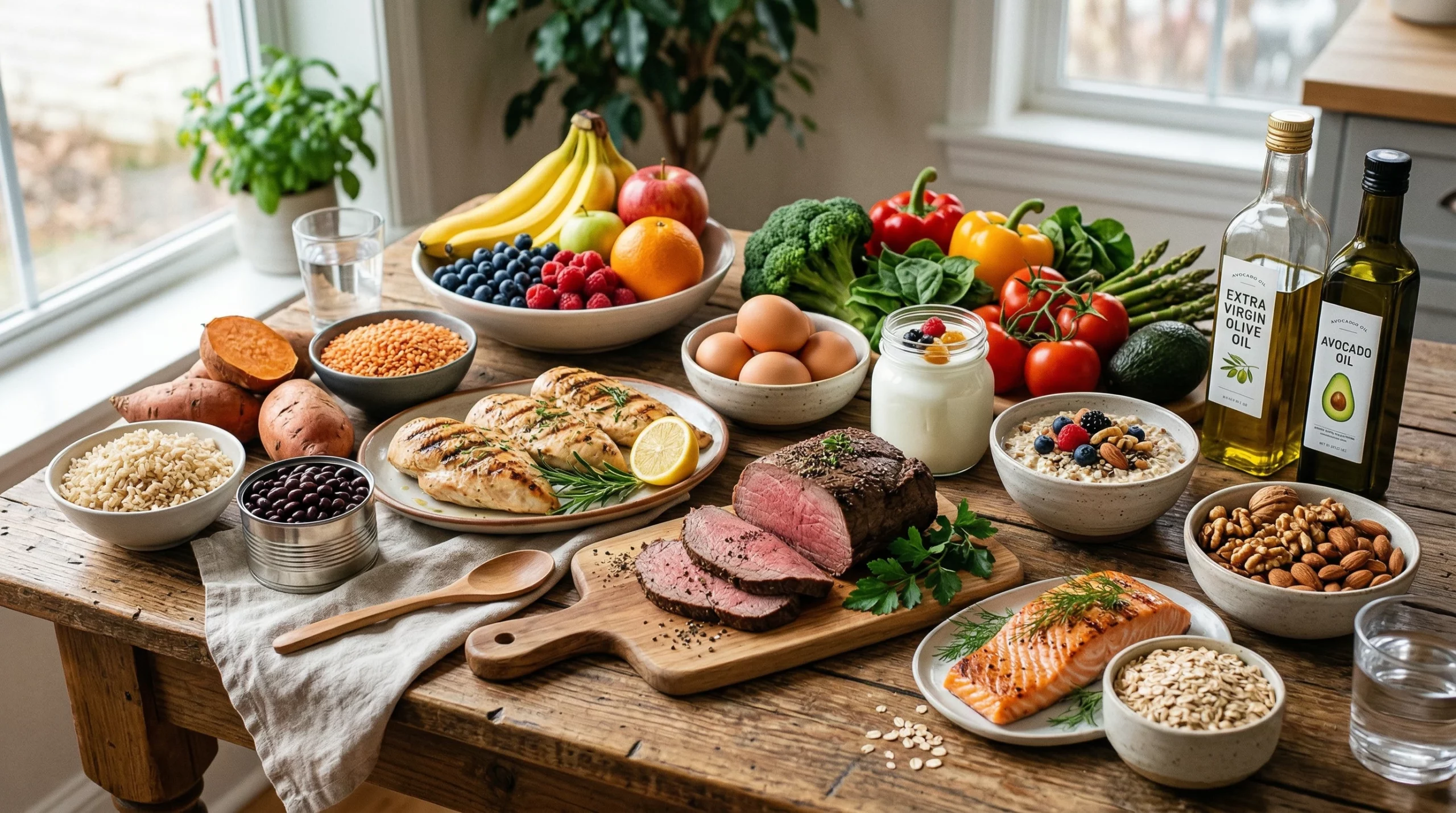
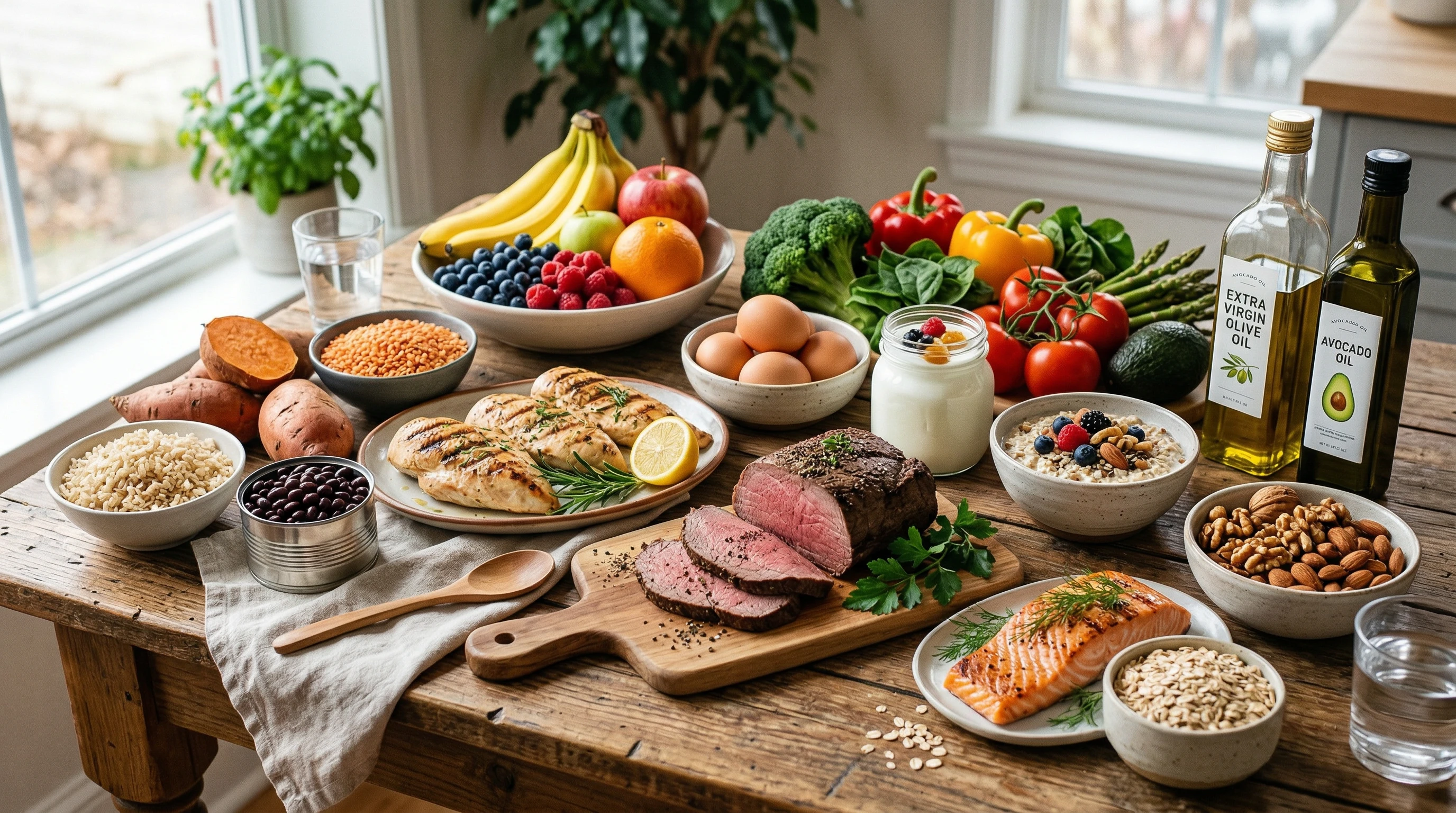
Choosing satisfying, nutrient packed foods makes building muscle easier and more enjoyable. Here are some of the most popular and practical options for beginners. Keeping a good mix of these staples on hand helps you put together meals quickly and keeps your diet from getting boring:
- Lean meats (chicken, turkey, lean beef)
- Eggs and egg whites
- Dairy (Greek yogurt, cottage cheese, milk, cheese)
- Fish (tuna, salmon, cod)
- Tofu and tempeh
- Beans and lentils (black beans, chickpeas, kidney beans, lentils)
- Whole grains (rice, brown rice, oats, quinoa, whole wheat bread)
- Potatoes and sweet potatoes
- Vegetables (broccoli, spinach, carrots, bell peppers, kale)
- Fruits (apples, bananas, oranges, berries, pineapple)
- Nuts and seeds (almonds, walnuts, pumpkin seeds, chia seeds)
- Healthy oils (olive oil, avocado oil, canola oil)
Mix and match from this list each week, based on your tastes, budget, and dietary needs.
Simple Muscle Building Meal Plan for Beginners
Combining protein, carbohydrates, fats, and colorful vegetables at each meal sets a strong foundation. Here is a basic example of a beginner friendly meal plan that’s easy to customize:
Breakfast
- 3 scrambled eggs or egg whites
- 2 slices whole grain bread
- 1 cup mixed berries
- 1 to 2 teaspoons olive oil or butter (for cooking eggs or toast)
Mid Morning Snack
- Greek yogurt (plain or low sugar)
- 1 banana or apple
- Handful of almonds
Lunch
- Grilled chicken breast, tofu, or lean beef
- 1 to 2 cups cooked brown rice or quinoa
- Large serving of mixed vegetables (steamed, roasted, or raw)
Afternoon Snack
- Whole grain crackers
- Low fat cheese or hummus
- Carrot sticks or celery sticks
Dinner
- Baked salmon or cod (or another lean protein)
- Boiled or mashed sweet potato
- Steamed broccoli or spinach
- 1 teaspoon olive oil drizzled on vegetables
Optional Snack (if needed)
- Low fat cottage cheese or Greek yogurt
- Fresh berries or sliced fruit
This flexible approach can be adjusted to match your food preferences, dietary restrictions, or meal timing. It’s helpful to eat every 3 to 5 hours, and including protein with each meal and snack supports muscle repair throughout the day. Don’t hesitate to change meal ingredients based on what’s in season or on sale at your local market.
Meal prepping once or twice per week can make healthy eating convenient, and having go-to meals can reduce stress when life gets busy.
Staying Hydrated and Supplement Tips
Hydration supports muscle function, recovery, and general well-being. Most beginner meal plans work best when paired with drinking enough water each day. Most adults do well by drinking water with every meal and sipping as needed during workouts. A good baseline for active adults is about 8 to 10 cups of water per day, with more if you sweat heavily.
Supplements, such as protein powders or creatine, are not required for beginners, but they can add convenience or give a boost in some cases. Whey or plant based protein powder can help people meet their daily protein goals, especially if they struggle to get enough from food. Creatine monohydrate is well known for its safety and support of muscle strength, but a balanced diet remains the foundation for progress. Always check with a healthcare provider before adding any new supplement if you have medical conditions.
Other supplements, like multivitamins, omega 3 fish oil, or vitamin D, may help fill gaps in your diet, but they should be used to support—not replace—a strong food foundation.
Common Questions & Troubleshooting
How do I know if I’m eating enough to build muscle?
The most reliable way to check progress is to track your weight, strength gains, and how your clothes fit over several weeks. Beginners often gain a little weight as muscle builds, but dramatic changes are rare at first. If progress stalls, eating slightly larger portions at meals or adding an extra healthy snack can help. Celebrate small wins, such as adding weight to your lifts or noticing more energy.
Should I avoid all fats or carbs?
There is no need to avoid these nutrients entirely. Both fats and carbs play important roles in building muscle and staying healthy. Low carb or very low fat diets have not been shown to offer extra benefits for muscle gain in beginners compared to a balanced approach. Cutting whole food groups can also make your diet less satisfying and sustainable.
Can I build muscle as a vegetarian or vegan?
Yes, many plant based foods provide sufficient protein and nutrients for muscle growth. Beans, lentils, tofu, tempeh, whole grains, nuts, and seeds are all good choices. Mixing different protein sources can help ensure you get a broad range of amino acids, which are the building blocks for muscle repair. Pairing foods like rice with beans can round out your protein intake.
What about cheat meals or treats?
Enjoying favorite foods occasionally will not ruin your progress. Most dietary research agrees that a balanced approach is easier to stick to than strict rules. Staying focused on healthy meals most days, combined with occasional treats, supports long-term results. The occasional indulgence can even help you stay motivated and prevent feelings of deprivation.
Beginner Bodybuilding Guides on Lift & Nurture
If you’re new to strength training, these beginner guides can help you build a strong foundation:
• Beginner Bodybuilding Workout (12-Week Foundation Blueprint) – A complete beginner foundation plan covering training, progressive overload, recovery, and nutrition.
• 3 Day Workout Schedule for Beginners – A full-body training structure for building muscle with three weekly workouts.
• How to Implement Progressive Overload for Beginners – Learn how to increase weight, reps, and sets safely over time.
• How Much Protein Beginners Need to Build Muscle – Understand daily protein targets and how protein supports muscle growth.
• Muscle Recovery Tips for Beginners – Learn how sleep, rest days, and recovery habits affect muscle growth.
• Workout Mistakes Beginners Should Avoid – Discover the most common mistakes that slow progress.
• How Long It Takes Beginners to Build Muscle – Realistic muscle-building timelines and what beginners should expect.
• Beginner Weight Training Sets and Reps – Learn how many sets and repetitions beginners should perform for muscle growth.
• How Many Calories Should Beginners Eat to Build Muscle? – Learn how calorie intake supports muscle gain and recovery.
Next Steps for Muscle Building Nutrition
Nutrition for muscle building does not have to be overwhelming. Beginners can support steady progress by eating a variety of whole foods, balancing protein, carbohydrates, and fats, and fueling workouts and recovery with regular meals. Tracking basics such as meal timing, food quality, and how you feel each week can help fine-tune your plan over time. Add small changes as you go, and you’ll build momentum with each good habit.
Your Action Plan
- Pick two to three protein rich foods and try adding them to your meals this week.
- Choose whole grain or starchy carb sources you enjoy for breakfast and lunch.
- Add a serving of vegetables or fruit to every meal or snack.
- Drink water throughout the day, and have an extra glass with meals.
Building muscle is a result of many small habits repeated over time. Making simple changes to your nutrition can help you get stronger and feel better, no matter your experience level in the gym. Progress is personal, so enjoy the adventure and keep tweaking your nutrition as you learn what works best for your body and goals.