Anyone starting weight training will come across the terms “sets” and “reps.” At first, this language can feel a bit confusing, but getting a good grip on these basics makes your workouts much more effective and helps you reach your goals sooner. I’m going to break down everything you need to know about beginner weight training sets and reps and how you can use them to get stronger and build muscle. If you’re brand new to lifting, you may also want to start with my complete Beginner Bodybuilding Workout (12-Week Foundation Blueprint), which explains how to structure your first training plan.
What Do Sets and Reps Mean in Weight Training?
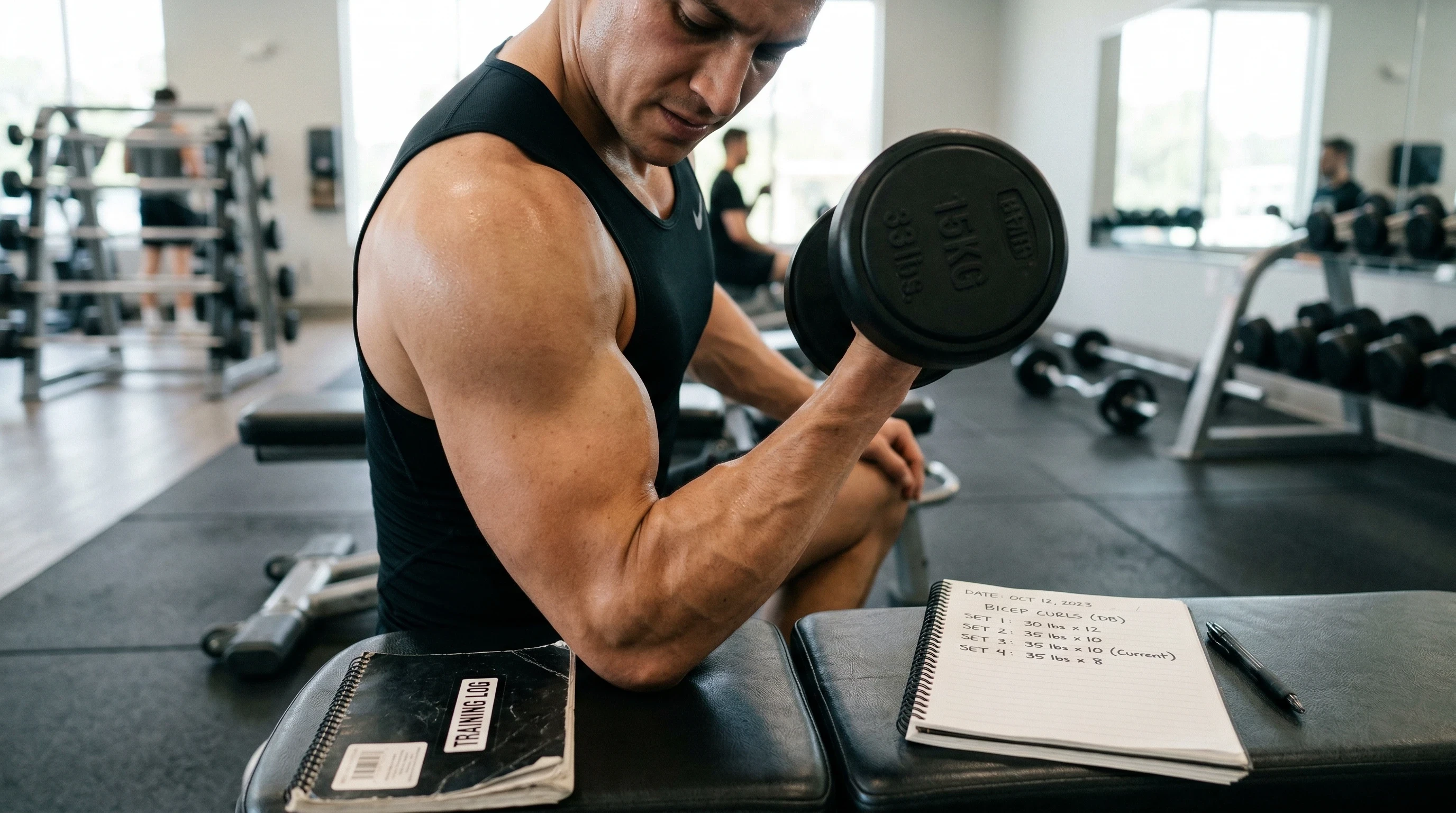
In weight training, a “rep”—short for repetition—means performing an exercise one time. For example, lifting a dumbbell in a biceps curl and lowering it back down is one rep. A “set” is a group of consecutive reps done without resting. For example, you might perform 10 reps of biceps curls, pause to rest, then do another 10 reps. In this case, you performed two sets of 10 reps.
Most training programs will write this as “2 x 10,” which means two sets of 10 reps each. This system helps organize your workouts so you can track progress and adjust the challenge as you get stronger.
Why Sets and Reps Matter for Muscle and Strength Gains
Understanding sets and reps is really important because they control how hard your muscles work and how your body adapts. The total number of reps and sets, along with the weights you use, decide how much total work your muscle does. Over time, consistent, structured work makes muscles grow and helps you get stronger. The balance of reps and sets is key, especially as you build a strong fitness foundation. Learning how to plan your sets and reps will also give you confidence in the gym and keep you on track during your workouts.
The number of reps you do changes the training effect. Lower reps using heavier weights generally focus more on strength. Higher reps with lighter weights usually train muscular endurance. In the middle, you find the sweet spot for muscle growth.
Choosing Reps: Strength vs Muscle Growth
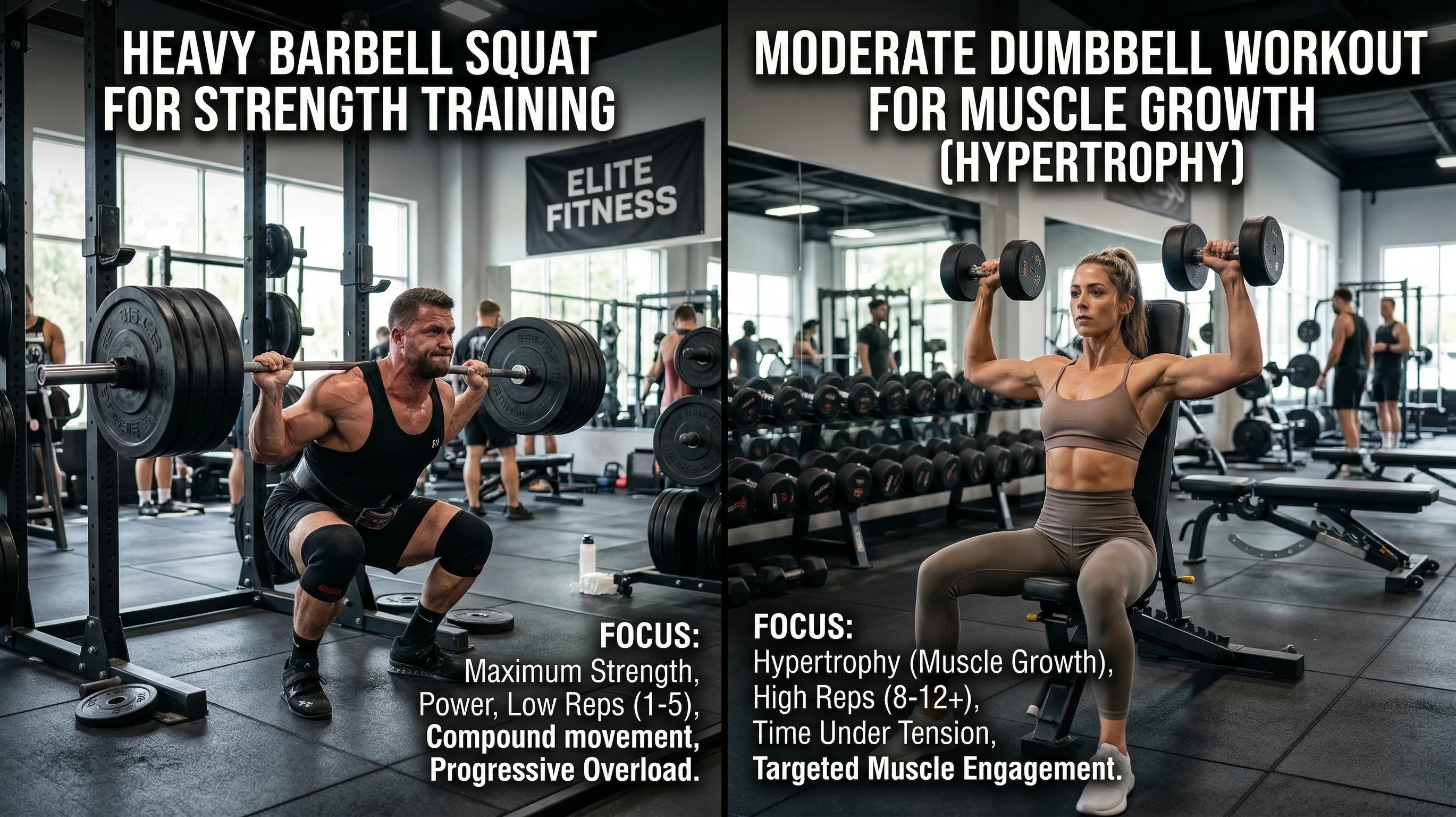
There is no single rep number that works for everyone or every goal, but evidence shows muscle growth can happen across a wide rep range—from about 5 reps per set all the way up to 50—when you work close enough to muscular failure (the point where you can’t do another rep with good form). Still, most practical muscle building programs stick to a moderate rep range.
- 1–5 reps per set: These are commonly used for strength training. The weight is heavy, and you can’t do many reps. This style helps train your nervous system to lift heavier, but doesn’t maximize muscle size on its own.
- 6–12 reps per set: This is the classic muscle building (hypertrophy) range. Lifting a weight you can handle for 6–12 reps works the muscle hard but allows enough volume for a growth signal.
- 12–20+ reps: Higher reps with lighter weight help build muscular endurance. Some isolation exercises like leg extensions or biceps curls can work well with higher reps.
Most beginners get great results using moderate reps (about 8–12 per set). They allow you to learn proper form, build muscle, and train consistently without wearing out your body with superheavy or very light weights. If you feel comfortable at a certain rep range, you can stay there for a while and just focus on perfecting your technique.
Beginner Weight Training Guidelines: Sets and Reps
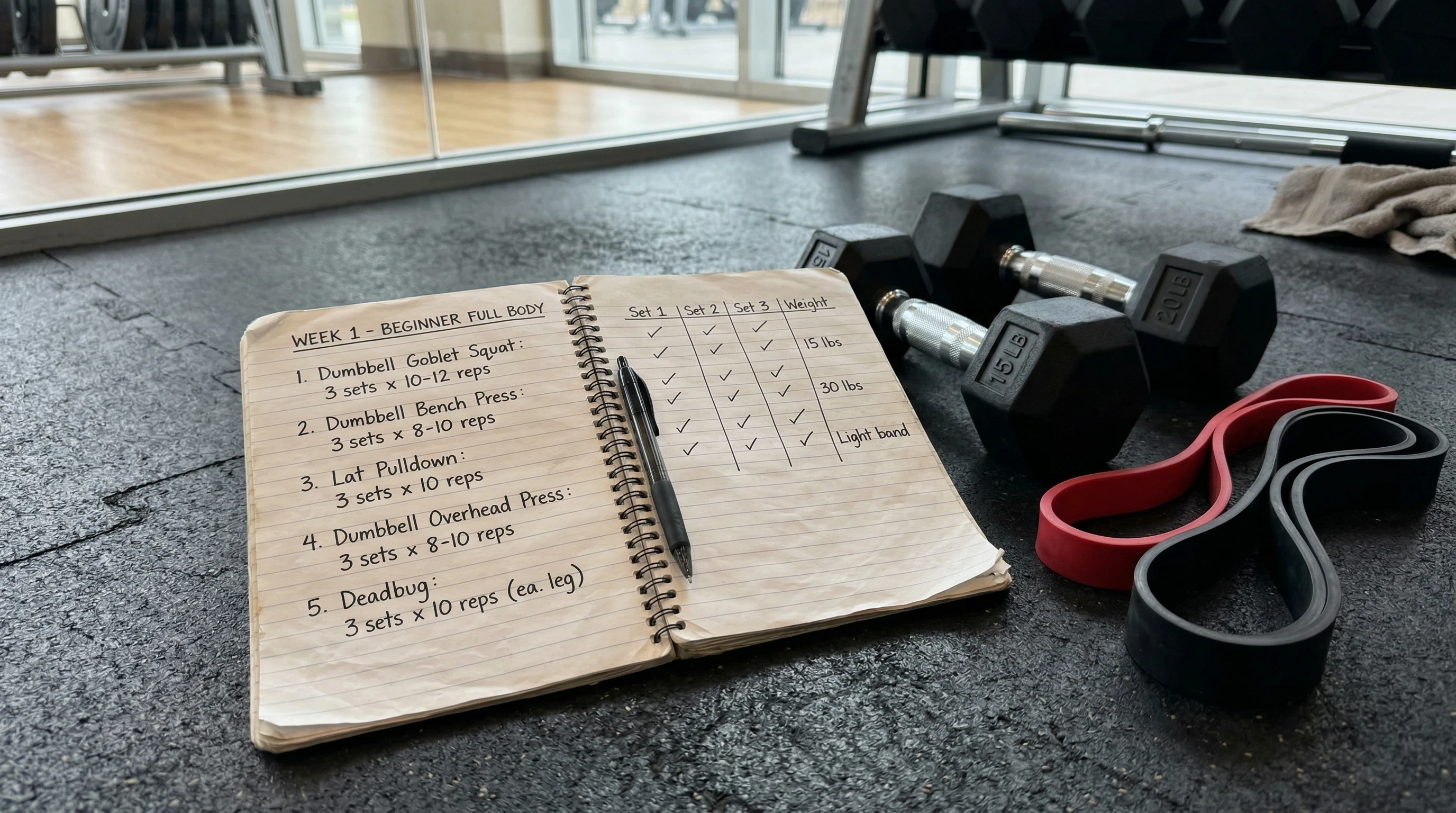
When putting together a beginner workout, I recommend a structure supported by sports science research and experienced coaches across the industry. Here are some starting points:
- 2–3 sets per exercise: This amount gives you enough practice on each exercise while letting you recover and focus on good form.
- 5–10 sets per muscle group per week: If you’re training a muscle more than once a week, which is effective for beginners, hitting about 5–10 total sets for each muscle across all workouts is a good target.
- Train each muscle 2–3 times per week: Beginners see better results from more frequent training than just a single session per muscle each week. This approach improves skill, increases practice, and gives a boost to results through regular recovery and effort.
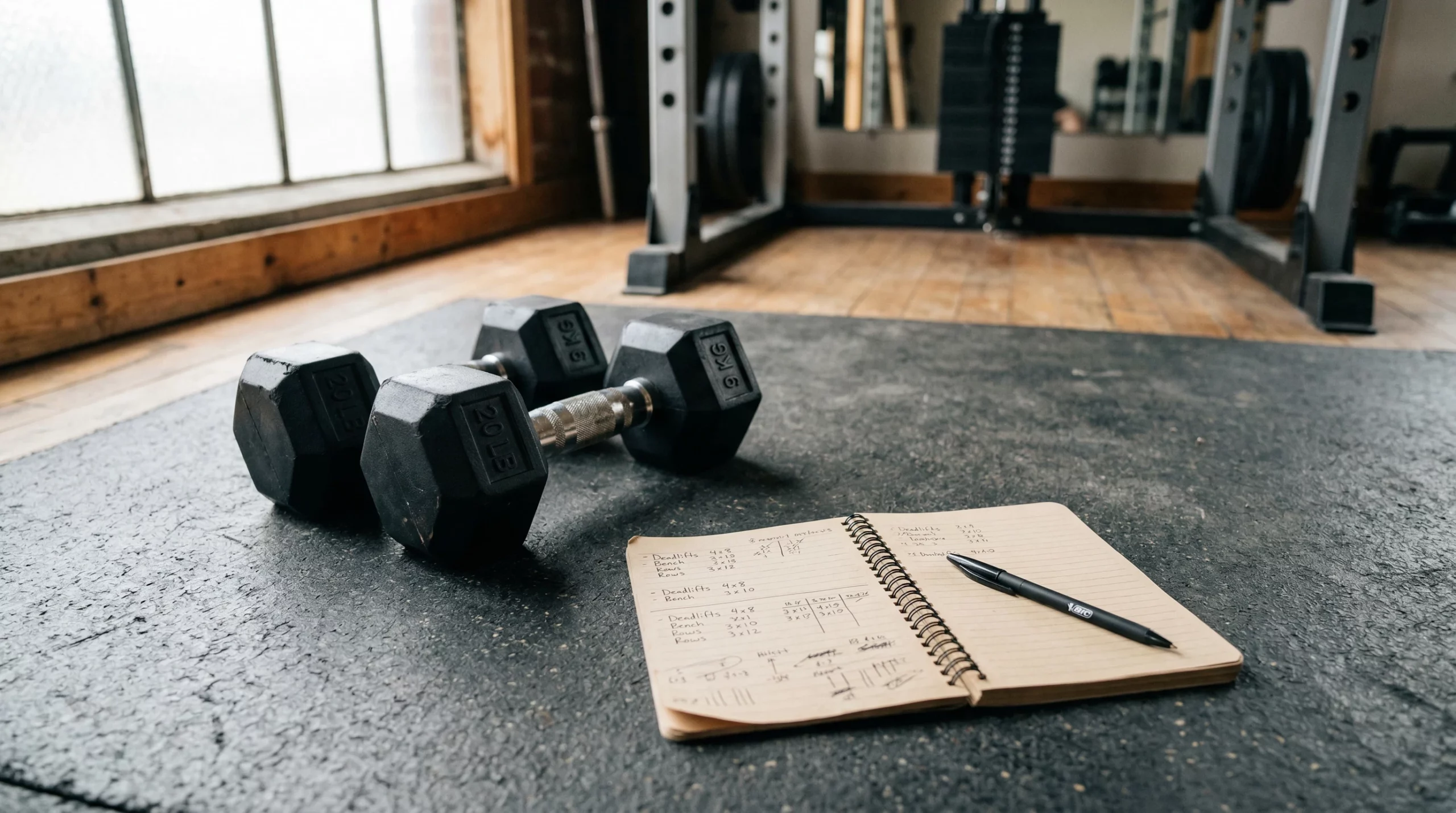
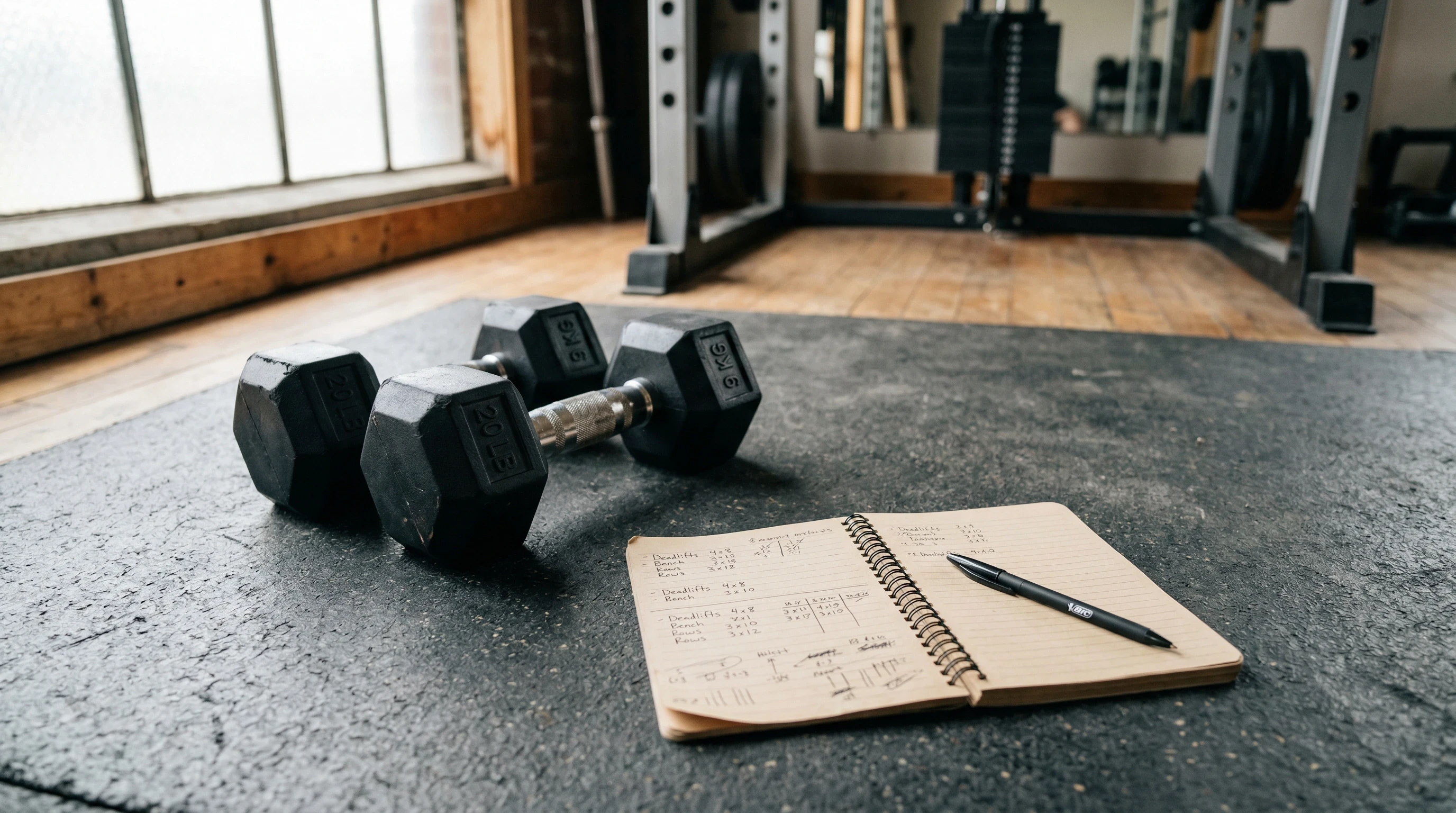
For most people starting out, this looks like 2–3 workouts per week, each one covering the main muscle groups. As you get stronger and more confident, you can adjust the number of sets or sessions if your recovery is solid. Tracking your progress with a notebook or an app can show you which approach helps you feel and perform your best.
How Different Rep Ranges Are Used
Your choice of reps depends partly on your goal, but also on the exercise. Here’s a simple breakdown you’ll see in many beginner programs:
- 1–5 reps: Great for compound moves (like squats or bench press) when your goal is building pure strength, but usually suited to more advanced lifters who have already nailed their technique.
- 6–12 reps: The go-to range for both beginners and experienced people working on muscle size. These reps work well for most exercises, help you learn good control, and still provide a growth signal. If you want a solid base and steady improvements, this range is ideal.
- 12–20+ reps: Used mostly for smaller muscle groups or isolation exercises. These reps are good when you want to stay away from heavy weights or build more endurance (such as for shoulders or arms). Higher reps for these exercises give you extra practice and keep joint stress low.
Compound movements, which work several big muscles at once, like squats, bench press, and rows, are often best done with lower to moderate reps so you can focus on form and keep safe. Isolation exercises, such as leg curls or biceps curls, don’t need very heavy weight, so you can use moderate to higher reps comfortably. Mixing both types ensures you cover all your bases for well-rounded strength and muscle growth.
The Role of Training Close to Failure
All rep ranges can build muscle if you use enough effort in each set. Training “close to failure” means finishing your set only a rep or two before your form breaks down. This doesn’t mean pushing to total exhaustion on every set, but the last few reps should feel challenging. Research shows that reaching a high effort level is more important for muscle growth than finding one magic rep number.
For beginners, it’s a good idea to stop each set while you still have 1–3 good reps in the tank. This helps you stay safe and learn technique without risking injury. As you gain experience, you can experiment with getting closer to failure. Listening to your body and making small adjustments as you progress is a skill that helps you avoid setbacks and keeps training fun.
Beginner Tips for Weight, Progression, and Recovery
Choosing the right weight is important for all new lifters. Start with a weight that feels challenging during the last few reps of each set, but still allows you to complete each rep with good technique. If you can easily do more than your target number of reps, it’s time to slightly increase the weight next session. If you can’t do the minimum reps or your form breaks down, lower the weight for now.
Progressive overload, or gradually increasing weights, sets, or reps over time, helps drive continual improvement. For beginners, even small changes can spark progress. Aim to add a rep or two or just a small bit of weight whenever you complete all your sets comfortably. Celebrate these small wins—they add up to major changes over the months.
Don’t do too many sets too soon. More isn’t always better. High volume with poor recovery can stall progress or even lead to overuse problems. Two to three sets per exercise is enough at first. Give muscles at least a day of rest before working them hard again. Proper rest and recovery are critical for muscle growth. Making sure you sleep well and eat enough protein will also help you stay energized and recover faster.
Remember, soreness is normal at first, but sharp pain means you should stop and check your form or take an extra rest day if needed. As you stick with your routine, it will get easier to tell the difference between healthy muscle fatigue and signs that you need more recovery.
Sample Beginner Workout Structure
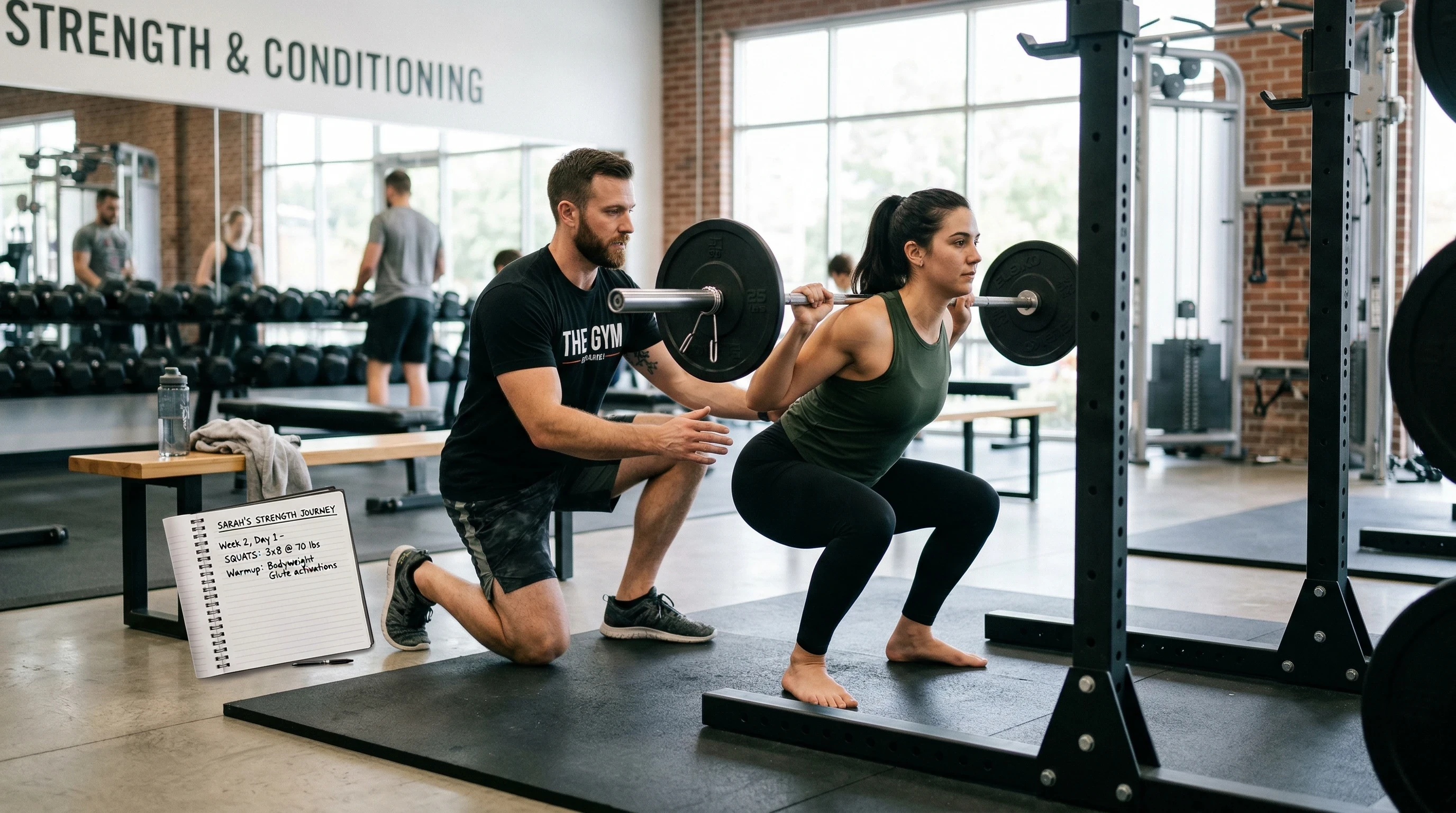
Here’s how a simple beginner workout might look with balanced sets and reps:
- Squats: 3 sets of 8–10 reps
- Bench Press: 3 sets of 8–10 reps
- Rows: 3 sets of 8–12 reps
- Biceps Curls: 2–3 sets of 10–15 reps
Most beginners do well with a structured beginner workout routine performed three times per week, resting at least a day between sessions. This approach covers all the main muscle groups using both compound and isolation exercises and lets you practice safe, effective movement. Adjust the repetitions to stay in your comfort zone while still challenging yourself when ready. Consistency here will pay off with real results.
Common Beginner Questions
How many sets should beginners do per exercise?
Most beginners start with 2–3 sets per exercise. This is enough to practice new moves, build a training habit, and make progress without wearing yourself out.
How many reps should beginners do to build muscle?
Aiming for about 8–12 reps per set is a good place to start if your main goal is building muscle, with the last few reps feeling challenging but doable. You can go up or down, but this range works for most people beginning their fitness adventure.
Are low reps or high reps better for muscle growth?
Research shows you can build muscle in both low and high rep ranges, as long as you work close to failure. For most people, moderate reps are practical and make it easier to keep good form, which is vital for steady gains and avoiding injuries.
How many sets per muscle per week should beginners do?
About 5–10 total sets for each muscle every week works well for most beginners. This target includes all sets for the muscle, even across different exercises and sessions. Be sure to track progress so you know when it’s time to bump up the challenge.
Should beginners train to failure?
You don’t need to push every set to total failure. It’s better to stop with 1–3 reps left (before your form falters), as this reduces injury risk and helps you recover faster while still making progress. Learning when to stop will help in the long run—it’s all about safe, steady gains.
Common Beginner Mistakes to Avoid
- Doing too many sets: It’s easy to believe more is always better. In reality, beginners make faster progress with fewer sets since recovery and learning technique are both really important. Quality matters more than quantity at this stage of training.
- Choosing weight that’s too heavy: Lifting weights you can’t control often leads to poor form or even injuries. Pick weights that let you complete every rep with good technique, then add weight gradually as you gain confidence.
- Ignoring form: Proper movement is the foundation of strength and muscle gains. Using mirrors, slow reps, or even recording yourself can help you spot and fix problems before they become habits. Form first, then add challenge.
- Skipping recovery: Muscles need time to adapt and grow. Skipping rest days or piling on extra work often leads to burnout or nagging soreness, making it harder to stick with your new habit. Prioritize recovery for better long-term progress.
Many beginners make training mistakes that slow their progress.
Focus on Consistency, Form, and Progression
The best beginner weight training results come from consistent workouts, using proper form, sticking to moderate rep ranges, and gradually challenging yourself as you get stronger. There’s no single perfect rep or set scheme, but these guidelines will help you reach your goals safely and efficiently. Building strength and muscle is more like a marathon than a sprint—so stay patient, trust the process, and enjoy the growth along the way!
Author Note:
I’m Angel Carcamo, founder of Lift and Nurture. I create beginner-friendly bodybuilding guides based on evidence-backed training principles, focused on structure, recovery, and long-term progress. Thanks for checking out this beginner’s guide—wishing you success on your strength adventure!