
Starting a fitness journey seems straightforward: work out, eat better, stay consistent. But for many beginners, it quickly becomes frustrating, confusing, or overwhelming. Progress feels slower than expected. Soreness sets in. Motivation fades. And without realizing it, people quit before results ever have the chance to show.
The truth is, most beginners don’t fail because they lack discipline. They fail because of common mindset and preparation mistakes that quietly sabotage consistency. In this guide, I’ll break down the biggest beginner fitness mistakes to avoid — and show you how to build a routine that actually lasts.
I’ve seen this pattern repeatedly — beginners don’t struggle because they lack effort. They struggle because they start without a clear structure.
Why Most Beginners Quit Fitness Before Results Show
There’s no shortage of motivation at the beginning. New shoes, workout playlists, maybe even a fresh set of activewear. The urge to crush your goals is real. But that early excitement fades quickly when reality sets in: soreness, slow progress, confusing advice, or simply not knowing what to expect. Most beginners stop for a few big reasons:
- Unrealistic expectations: People expect instant results from way less effort than what fitness really takes.
- Trying to do too much too soon: Jumping into intense routines can burn you out or get you injured.
- Lack of structure and planning: Without a clear plan, motivation dies when life gets busy.
- Copying advanced routines: Beginners try workouts they see online, not realizing those programs aren’t made for newbies.
- Poor setup or support: If you don’t have a supportive environment, or your gear makes working out feel like a chore, it’s easy to quit.
- Skipping recovery: Neglecting rest leaves you rundown and less likely to stick with your new habit.
If any of this sounds familiar, you’re not alone. Nearly every beginner runs into one or more of these mistakes. The difference between quitting and succeeding is learning how to adjust early. Next up, I’ll walk through the most common beginner mistakes and how to handle each one.
Mindset Missteps: Setting Yourself Up for Frustration

Your mindset shapes how you respond to setbacks, slow progress, and discomfort — all of which are unavoidable in fitness. Small adjustments in how you approach fitness can make the difference between sticking with it and calling it quits.
Unrealistic Expectations Hurt Progress
Scrolling Instagram, it looks like everyone is dropping pounds and building muscle in a matter of weeks. What you don’t see: those before-and-after transformations take way longer than a quick scroll makes it seem. Real progress in fitness is usually slow (especially at first), even with smart training and nutrition.
- What to do instead: Aim for consistency over weeks and months, not overnight change. Celebrate non-scale victories like feeling less winded during walks or handling stress better. Results show up for the people who don’t quit.
All or Nothing Thinking
Missing a workout or eating a few slices of pizza doesn’t “ruin everything.” All or nothing thinking tricks you into believing if you’re not perfect, you may as well not try. That’s a recipe for quitting.
- What to do instead: Reframe setbacks—they’re normal. Consistency wins long term, even with bumps in the road. One rough day doesn’t define your fitness journey.
Chasing Motivation Instead of Systems
Many beginners believe motivation is the magic spark. Even the fittest people lose motivation sometimes. What keeps them going? Daily systems and habits.
- What to do instead: Build basic systems: prepping your gym bag in advance, scheduling workouts like appointments, and making healthy snacks easy to grab. Routines work even when you’re not “feeling it.” Make habits automatic so your effort continues when motivation dips.
Another useful trick is to add visual cues—stick a note reminder on your mirror, or lay out your workout shoes by the door. Even seeing these prompts can nudge you to stick with your routine. The more you link exercise to your daily rhythm, the easier it gets to hold onto your new habit, no matter what kind of day you’re having.
Common Beginner Fitness Mistakes (and How to Avoid Them)
You’re not expected to know everything on day one, but there are a few traps that almost everyone falls into when starting fitness. Here’s what to watch out for:
Pushing Too Hard, Too Soon
Some go from zero to six days a week at max effort. While the determination is eye-catching, the body needs to ramp up at a pace it can handle; otherwise, soreness, fatigue, or injury become real problems fast.
- Steady Start: Begin with two or three solid sessions per week and build slowly. Let your muscles and joints adjust before trying to add more workouts.
Copying Advanced Routines
It’s easy to be inspired by athletes or influencers, but their routines are made for advanced lifters, not beginners. Trying to match their plan can leave you confused, exhausted, or hurt.
- Beginner-friendly Plans: Start with general full-body workouts, basic bodyweight moves, and foundational cardio. Strength builds from the ground up, not from copying the hardest stuff online.
Not Planning Ahead
“I’ll work out when I have time” sounds flexible but usually means “I’ll work out never.” Forgetting workouts, skipping because you’re tired, or just feeling overwhelmed can undo even the strongest intentions.
- What to Do: Pick specific days and times in your calendar. Set reminders or alarms if it helps. Prepping your gym bag, water, or playlist the night before makes it easier to follow through.
Neglecting Recovery and Sleep
Recovery matters as much as the workout. Beginners often think more is better and forget recovery days, stretching, or even getting enough sleep. This leads to constant soreness, low energy, and eventually missed workouts.
- Simple Fixes: Plan one or two days each week as light, active recovery (walks, stretching, gentle yoga). Make sleep a nonnegotiable priority; your body needs to rebuild muscle and keep you energized.
Poor Environment Setup
If your workout space is cluttered or your equipment is always buried out of sight, you’re adding friction without even realizing it. Small annoyances pile up and make workouts feel harder to start.
- Make it Easy: Set out your shoes, mat, and water bottle where you’ll see them. If you work out at home, clear a dedicated space. At the gym, have a prepacked bag ready.
Skipping Identity Habits
Staying active doesn’t depend on being ultra-motivated all the time. Building an “identity habit” means you see yourself as the kind of person who moves regularly or cares for their health, even with tiny actions.
- Identity Shift Tips: Start small—maybe it’s a five-minute stretch every morning or a walk around the block after dinner. Focus on doing something (even tiny) each day that reinforces “I’m someone who moves more now.” Those little behaviors stack up fast.
Building Consistent, Sustainable Fitness Habits
Long-lasting results aren’t about the most intense workout or the strictest diet. Sustainable progress is all about consistency and making the process as smooth as possible for yourself.
Focus on the Process, Not Just the Outcome
Instead of stressing about the number on the scale or your mile time, center your attention on creating a repeatable routine that you can stick to, even on busy or stressful days. When the plan fits into your life, you’re much more likely to hold onto it, no matter what’s happening around you.
- Integrate it into your weekly rhythm so it becomes automatic rather than optional. Show up, do the work, and tweak as you go.
Process-driven habits might mean you block off a certain time of day just for movement, prepare your workout clothes at night, or set up a rewards system for sticking to your plan. Focus on these building blocks and you’ll see real progress over time.
Track Progress In More Than Just Pounds
The scale doesn’t tell the whole story. Look for improvements in your mood, strength, energy, sleep, and even how your clothes fit. Write down a few small wins every week to keep yourself encouraged.
You can also snap weekly photos, log how much weight or how many reps you can do, or write about your energy and stress levels. These broader ways to measure progress help you notice the real wins you’re picking up, even when the scale stalls.
Set Up Your Environment For Success
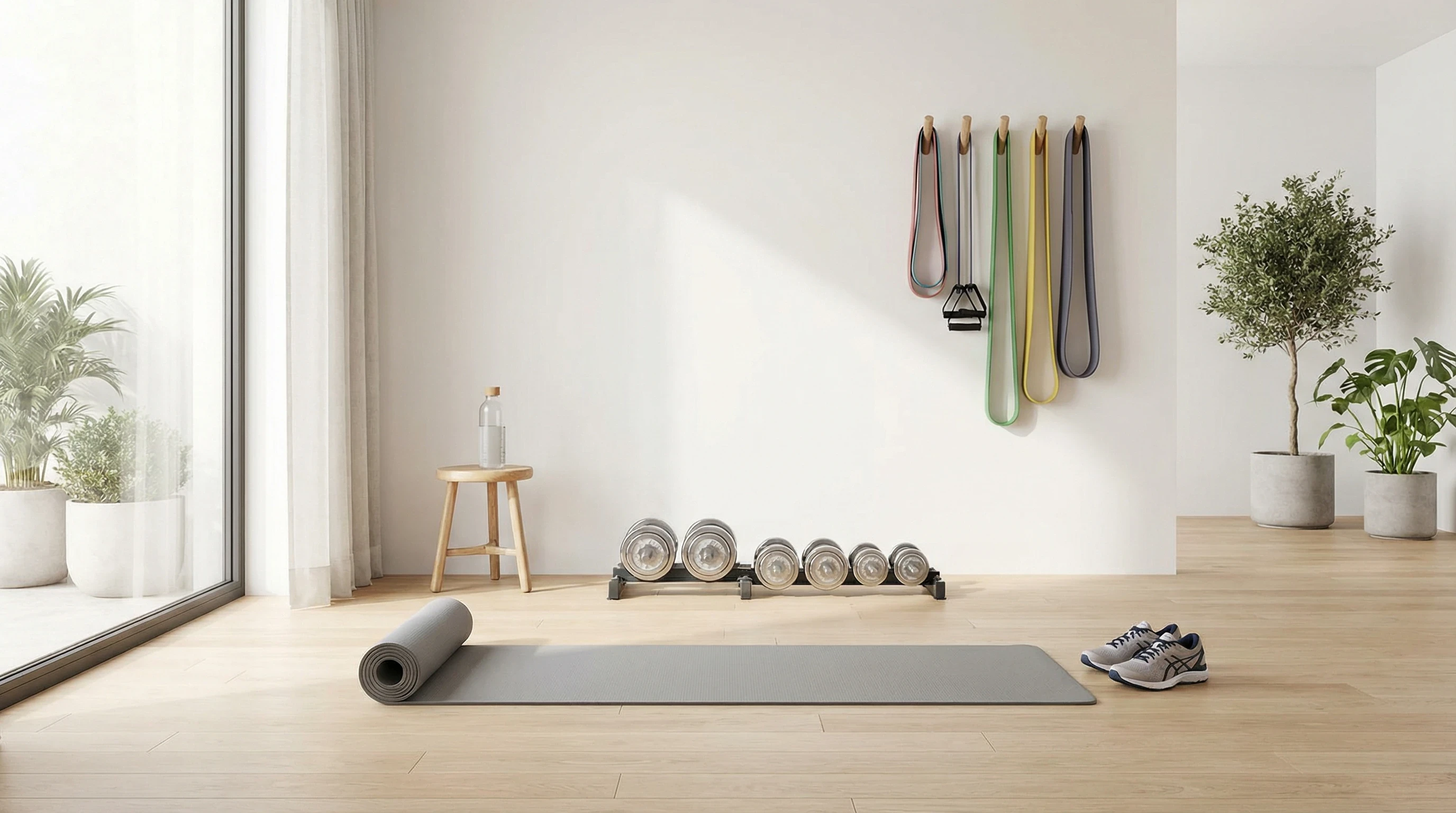
Set yourself up to win by shaping your surroundings to make healthy choices effortless. Leave workout gear somewhere obvious, prep snacks ahead of time, and ask a friend to join you for walks or virtual workouts. Making the healthy choice the easy choice helps you follow through.
- Keep your gear visible and ready.
- Fill the fridge with easy, healthy snacks.
- If possible, pair up with a workout buddy (even virtually) to build accountability.
Removing obstacles in your environment, like untidy workout spaces or hard-to-access equipment, also makes forming the new routine a breeze.
Revisit Your Reasons For Starting
Ask yourself why you wanted to make a fitness change when motivation gets low. Maybe it’s more energy for your kids, less back pain, or wanting to feel stronger in daily life. Write your “why” somewhere you’ll see regularly and use it to guide day-to-day decisions. When you keep your reason in sight, you have a powerful nudge to stick with things when energy is low.
Examples Of Easy Changes For Beginners
No need for an extreme plan. Here are some simple changes to try as a beginner that build real momentum:
- Start with brisk walks three times a week. As you build endurance, add in short bursts of jogging or bodyweight exercises like squats and pushups.
- Use a fitness app or a basic notebook to record workouts. Seeing what you’ve achieved can motivate you to keep going.
- Set a non-weight-related goal, like wanting to be able to carry your groceries up the stairs without stopping. Noticing progress here can keep you inspired.
- End each workout with a quick stretch. Your muscles will thank you (and you’ll move better the next day).
If you work a desk job or find yourself sitting a lot, stand up and move on the hour for just five minutes. These “micro-workouts” keep your energy flowing and make it easier to stick with the bigger habits too.
Small Wins Build Big Results
Many beginners try to outwork inconsistency with extreme effort. They rely on motivation or push themselves to exhaustion, thinking intensity equals results. But sustainable progress rarely comes from extremes — it comes from repeatable habits.
Instead of chasing perfection, focus on small wins you can repeat. A short workout you complete is better than a perfect one you skip. A balanced meal is better than an all-or-nothing diet. Each small action reinforces your identity as someone who takes care of their health.
Over time, those small wins compound into meaningful change.
Frequently Asked Questions
Here are answers to the questions I hear most often from beginners:
Why do most beginners quit fitness early?
Answer: Most beginners quit because expectations don’t match reality. They expect visible changes within weeks, underestimate how long adaptation takes, and become discouraged when progress feels slow. Combined with overly intense starts and lack of structure, this creates a pattern of burnout and quitting.
What is the biggest mistake beginners make when starting to work out?
Answer: Jumping into routines that are too advanced or pushing too hard at first. This makes things overwhelming or leads to injuries, which slows down (or stops) progress completely.
Should beginners train hard every day?
Answer: No. Beginners benefit from two or three days a week of strength or focused exercise, with rest or light activity in between. Recovery lets your body adapt and prevents burnout.
How long does it take to see results as a beginner?
Answer: You’ll probably notice small changes in energy or mood after about 2–3 weeks. Physical changes (muscle definition, clothing fit, or endurance) usually show up after 8–12 weeks of steady effort.
Is it bad to copy advanced workout routines?
Answer: Copying advanced routines can be risky because they’re not designed for beginners’ current fitness levels. Stick with beginner programs and focus on building a foundation first. You’ll progress more safely and effectively.
How can beginners stay consistent without burning out?
Answer: Keep workouts manageable, set realistic goals, and focus on building habits, not intensity. Take rest seriously and adjust your plan as needed to stay refreshed and interested.
Final Thoughts
Avoiding beginner fitness mistakes isn’t about being perfect. It’s about being prepared. When you manage expectations, build simple systems, prioritize recovery, and start at a sustainable pace, fitness becomes far less overwhelming.
Progress in fitness is rarely dramatic at first — but it is powerful when it’s consistent. Focus on building a routine you can repeat, even on low-energy days. Stay patient. Adjust when needed. Keep showing up.
The goal isn’t intensity. The goal is longevity.
That’s how results last.
Ugh, this post literally could not have come at a better time! I actually did something to my back just the other day—specifically that nagging pain right where the low glutes meet the lumbar—and I’ve been sitting here wondering if I should just throw in the towel on my new routine.
Leah, I’m really sorry you’re dealing with that — back discomfort can be frustrating, especially when you’re just getting started and feeling motivated.
First, don’t throw in the towel.
One of the biggest beginner fitness mistakes isn’t getting injured — it’s assuming that one setback means the whole routine has to end. Often, it just means something needs to be adjusted.
If you’re feeling pain near the low glutes and lumbar area, it’s usually a sign that something in the movement pattern, load, or volume was too much too soon. This is where scaling back becomes smart, not weak. Reduce intensity, focus on controlled bodyweight movements, and prioritize gentle mobility and core stability work while things calm down. And if the discomfort lingers or worsens, getting guidance from a qualified professional is always the safest move.
Progress isn’t ruined by a pause — it’s ruined by quitting completely.
Sometimes the most disciplined thing you can do is modify instead of push through. That’s how sustainable fitness is built.
You’re not behind. You’re just learning.