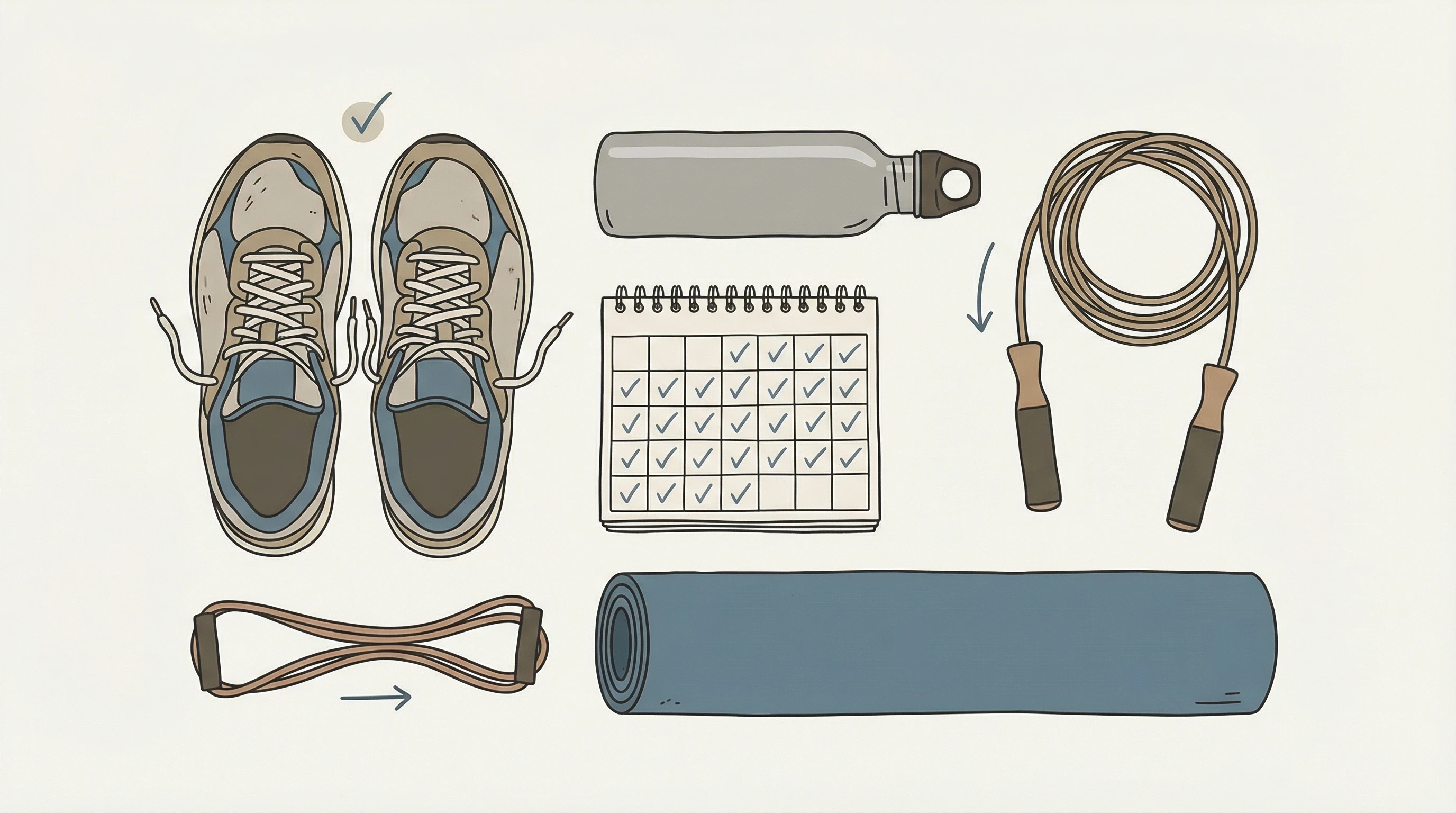
Pretty much everyone who’s tried to get in shape knows the burst of energy you get on day one. You’re picturing a stronger, healthier version of yourself. The playlist is ready, your new shoes feel great, and you swear this time your routine will stick.
But then motivation fades — sometimes in a few days, sometimes after a few weeks.
When it comes to motivation vs discipline in fitness, most beginners misunderstand which one actually keeps you consistent long term. Motivation feels powerful in the beginning, but discipline is what quietly carries you forward when the excitement wears off.
If you’re just starting out, understanding how these two forces work together can make staying consistent way less stressful — and far more realistic.
I’ll break down exactly what motivation and discipline really mean, why discipline doesn’t mean “grinding yourself into the ground,” and how you can build long-term consistency even if you’ve never thought of yourself as a disciplined person before.
What Motivation Really Is (and Why It Doesn’t Last)
Motivation is that spark of excitement you feel when starting something new. It’s the voice in your head that says, “I’m pumped to crush this workout!” In fitness, this usually hits when you’ve set a bold new goal, watched an inspiring transformation story, or just want to make a change.
Here’s the thing: motivation comes and goes. You might feel super driven on Monday and totally burnt out by Thursday. That’s because motivation is tied to your emotions, mood, and even the weather. No matter how fired up you are in the beginning, those feelings can fade. Relying only on motivation means your routine will be just as inconsistent as your mood swings.
Why Motivation Fades
- You’re tired from work or life in general.
- Your progress has stalled or you’re not seeing quick results.
- The novelty has worn off and things feel repetitive.
- Stress, bad days, weather, and even boredom get in the way.
Basically, motivation can get you started, but it won’t carry you through every day. That’s totally normal, and way more common than most people think.
What Discipline Actually Means in Fitness
Discipline gets a bad rap, especially in gym memes and social media posts that talk about “no pain, no gain” or “no excuses!” But discipline doesn’t mean punishing yourself. In fitness, think of discipline as commitment and structure. It’s about following through on your plan, even if you’re not feeling super inspired.
Discipline is practical. It’s making a choice ahead of time to stick to a plan, even if you’d rather be on the couch, because your goals matter to you. It’s the small habits, like putting out your clothes the night before, showing up for your walk, or doing ten minutes of stretching even on a busy day, that stack up over time.
What Discipline Looks Like (Practical Examples)
- You’ve decided to do your workout after work. Even if you’re tired, you head straight to the gym before going home.
- You meal prep on Sundays so making healthier choices during the week is way easier.
- You put a reminder in your phone to stretch before bed so it actually gets done.
Discipline is about setting up structures and routines so you don’t have to rely on random bursts of motivation. Instead, you have a plan that works even when your energy is low.
Motivation vs Discipline in Fitness: What’s the Real Difference?
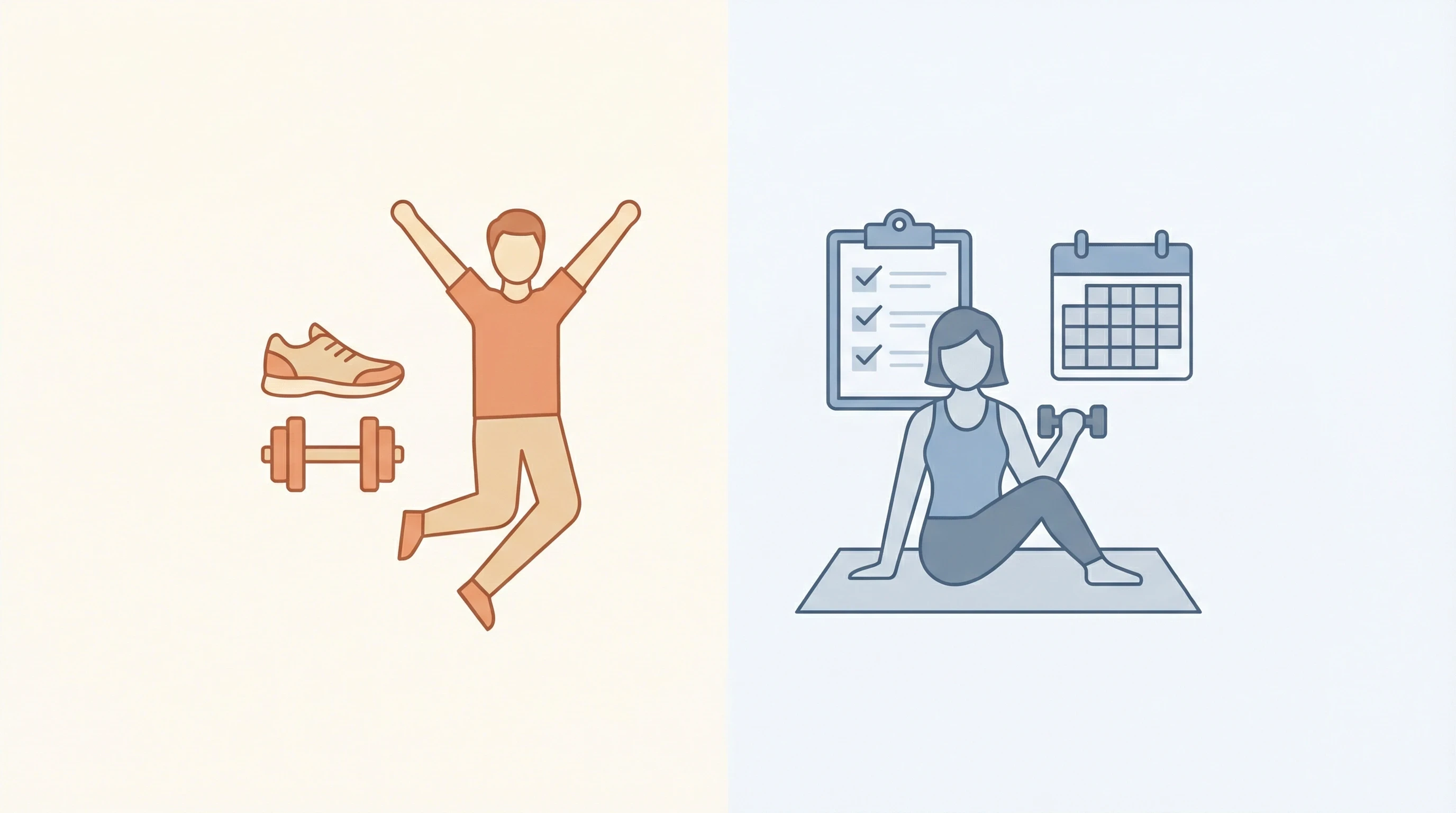
Both motivation and discipline matter, but they play very different roles.
Here’s a simple breakdown:
Motivation
- Emotional
- Short-term
- Triggered by excitement or inspiration
- Comes and goes
- Great for starting
Discipline
- Structural
- Long-term
- Triggered by commitment and routine
- Reliable even on low-energy days
- Essential for consistency
Motivation is the spark.
Discipline is the system.
If you only rely on motivation, your routine will fluctuate with your mood. If you build discipline, your routine continues whether you feel inspired or not.
That’s the key difference most beginners overlook.
Why Relying Only on Motivation Breaks Down
At the start, most people try to ride that initial wave of motivation. Every workout feels exciting. But here’s what usually happens:
- You’re pumped for a week or two, then miss a workout when you’re tired or life gets busy.
- You wake up one day with zero interest in going to the gym or eating healthy.
- One skipped workout turns into a skipped week, and you’re back to square one.
I’ve been there myself. It’s easy to think, “Once I feel motivated again, I’ll restart.” The problem? You might wait days or even weeks for that feeling to come back. That stop-start cycle makes it really tough to get results or even feel good about fitness in general.
How Discipline Builds Real Consistency
Consistency is the secret sauce to progress in fitness. And the tool that delivers consistency, especially when motivation runs dry, is discipline. Instead of chasing motivation, discipline focuses on taking small, regular actions. Over time, those steps add up to noticeable change.
Here’s how discipline helps you stay on track for the long haul:
- It creates routines you can fall back on, even when you’re tired or have a rough day.
- You stop feeling guilty about skipped workouts because you have a plan to get back on track.
- Your workouts, walks, meal prep, or stretching sessions become almost automatic, like brushing your teeth.
Habit-Building in Action
My first experience with discipline was setting a really small goal: walking 10 minutes after dinner. It didn’t seem like much, but I did it every day, even when I’d rather flop on the couch. After a few weeks, I didn’t even question it; it was just part of my evening.
That’s how real progress starts. With tiny, repeatable actions that eventually become routine. The more you show up for yourself, the more consistent you get, and the less you have to argue with yourself about fitting in your workout.
Connecting Discipline to Simple Fitness Systems
Discipline works even better when you tie it to systems, little strategies that make following through easier. These aren’t complicated; they’re just ways to take the thinking out of your fitness routine.
- Preplan your workouts: Have a set of go-to home routines you can do when you don’t feel like heading out.
- Pack your gym bag ahead of time: If it’s waiting by the door, there’s one less excuse to skip.
- Stick to a schedule: Even just designating specific days for activity builds rhythm into your week.
- Use cues or reminders: Notes on your fridge or alarms on your phone keep you from forgetting.
The more you automate, the less decision fatigue you deal with. Discipline becomes about following a built-in plan, not pushing through willpower every single time.
The Role of Identity: Becoming “the Kind of Person Who…”
One thing I’ve noticed is that discipline really takes off when you stop seeing exercise as a chore and start thinking of it as something you do just because that’s who you are. Switching your identity, even in small ways, can make discipline a lot easier to keep up with.
- If you see yourself as someone who walks daily, missing a walk feels more off than doing it, even when motivation is low.
- Telling yourself, “I’m building healthier habits,” makes it easier to choose a workout over skipping it, because it’s just part of who you are becoming.
This identity switch doesn’t happen overnight, but with each small action you repeat, it becomes more of a habit. Eventually, you stop thinking about whether or not you feel like it. You just do it.
Easy Ways Beginners Can Build Discipline Without Burning Out
If you’re new to fitness or have struggled to stay consistent in the past, discipline can feel like a huge mountain to climb. Here’s how I build it little by little, without going overboard or burning out:
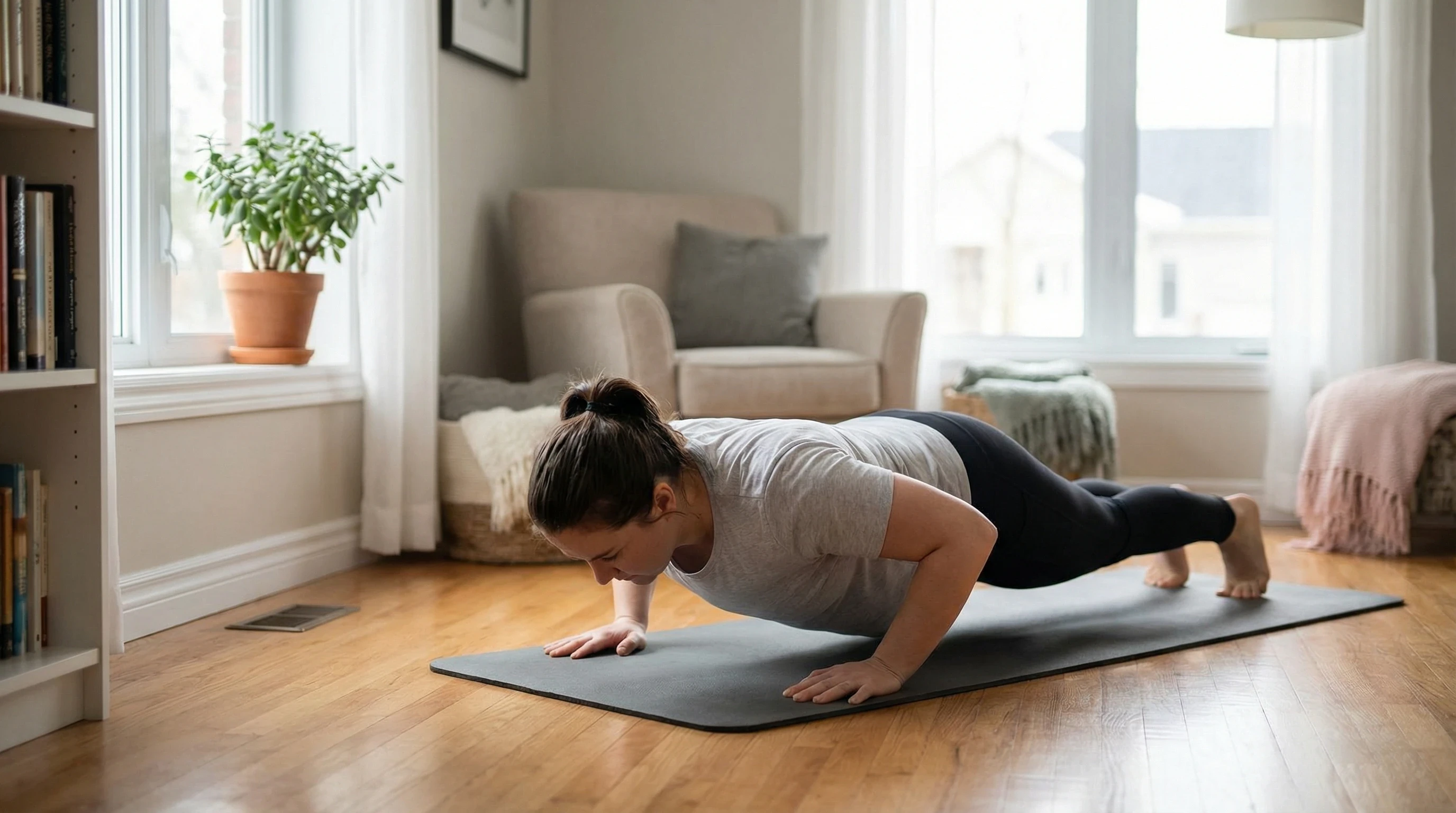
- Start ridiculously small: Pick a habit so easy you can’t talk yourself out of it. Five pushups. A ten-minute walk. Stretching for five minutes before bed.
- Stack new habits onto existing routines: If you already brush your teeth after dinner, try stretching right after. The less you have to think, the more likely you’ll stick with it.
- Use visual reminders: A sticky note, alarm, or calendar notification helps you remember what you’re building.
- Track your progress: Marking workouts on a calendar or using a habit tracking app feels rewarding and keeps you honest. Seeing those checkmarks add up can be super motivating all on its own.
- Forgive yourself for slipups: Missing a day doesn’t erase your progress. Everyone slips from time to time. Just pick it up again; you’re building for the long term, not a short sprint.
Common Myths About Discipline in Fitness
There’s a lot of bad advice out there around discipline, especially in fitness spaces online. Clearing up a few of these can make building discipline actually doable and a lot more approachable:
Myth 1: Discipline Means No Days Off, Ever
Real discipline includes rest days. Pushing through exhaustion only leads to burnout or injury. Listening to your body and planning in rest isn’t slacking; it’s smart and keeps you in the game longer.
Myth 2: Discipline is All About Willpower
Willpower gives out pretty fast, especially when life gets stressful. Discipline works better when you rely on routines, planning, and your environment. Basically, setting things up to make the right choice the easier choice.
Myth 3: You Have to Be “Hardcore” to Be Disciplined
Discipline isn’t about crushing yourself with tough workouts or following strict diets 24/7. It’s about small, repeatable actions. You don’t need to “go hard” every time. Any progress is good progress.
FAQ: Motivation vs Discipline in Fitness
Is discipline more important than motivation?
Discipline keeps you showing up after motivation fades. I find that both matter, but for long-term results, discipline is way more reliable than just waiting to feel excited about working out.
Can discipline be learned?
Absolutely! Discipline isn’t just a personality trait. Anyone can build it through small, consistent actions and making routines that work with your life.
What if I don’t feel motivated?
That’s normal. No one feels motivated all the time. Rely on your routines and try to make your plan as easy as possible for low-motivation days. Even something as simple as a five-minute walk counts.
How do I stay consistent long term?
Keep things simple, track your habits, and set up your environment to make sticking to your plan easier. Focus more on showing up, even in small ways, instead of perfect workouts every time.
Your Next Steps: Building Sustainable Fitness Habits
Staying active for the long haul is about making fitness a normal, repeatable part of your day. Motivation helps with momentum, but discipline is what makes the results stick. The good news is you don’t need to do anything extreme. Pick something tiny, repeat it, and keep building. Fitness becomes way less about “feeling motivated” and more about just being the kind of person who fits movement and healthier choices into their everyday life.
Practical Action Plan:
- Choose one super small fitness habit to start today. (Five squats? A short walk?)
- Decide when and where you’ll do it. Attach it to something you already do, like after a meal.
- Set a reminder so you don’t forget. Celebrate every win, no matter how tiny.
What tiny habit are you going to try first? I’m cheering you on!