Building a healthy body takes time, but getting started doesn’t have to be complicated. Foundational fitness exercises are all about training your body to move well and get stronger, without needing fancy equipment or gym memberships. These fundamentals are helpful not just for beginners, but as the foundation for any long-term routine.
Learning basic movement patterns like squats, hinges, pushes, pulls, and carries helps you create a solid base that makes everything else easier and safer. They form the backbone of strength, mobility, and everyday function. Focusing on these basics, while avoiding complex routines at the start, sets you up for success and helps keep frustration to a minimum.
This guide covers simple, practical exercises any beginner can start today. All you need is some space, maybe a couple of household items, and a willingness to stick with the basics. I’ll also answer some common questions I had when I started out, and share easy ways to check your form so you build confidence from the beginning. Plus, I’ll offer extra tips to help maintain motivation as you build your foundation.
What are Foundational Fitness Exercises?
Foundational fitness exercises are basic movement-based exercises that train the body to move efficiently, safely, and with control, forming the base for all future strength and fitness progress. Foundational fitness exercises focus on big, everyday movement patterns your body uses all the time. Think of things like standing up, lifting groceries, pushing open doors, or picking up a child. These motions are divided into a handful of patterns: squat, hinge, push, pull, carry, and core stabilization.
- Squat: Bending your knees and hips to lower your body, like sitting in a chair.
- Hinge: Bending at your hips (not your back), such as when you pick something up from the floor.
- Push: Moving something away from you, like a door or even the ground when doing a push-up.
- Pull: Bringing something closer, like opening a heavy drawer or doing a row.
- Carry: Walking while holding a load, like shopping bags.
- Core/Anti-Rotation: Staying stable and protecting your spine, so you can move powerfully and safely.
Practicing these movements builds the kind of strength and mobility that makes everyday life easier, more enjoyable, and helps add up small everyday victories.
Why Master the Basics First?
Jumping into advanced exercises or complex routines can be tempting, but I quickly realized that skipping the basics can stall progress and even risk injury. Foundational exercises help you:
- Develop safe, strong movement patterns that last a lifetime.
- Build strength across your body, which helps prevent injuries.
- Grow more confident and energetic in daily life.
- Set the stage for more challenging workouts in the future.
If you’re new to exercise or returning after a break, keeping things simple ensures steady progress without overwhelm. It’s about building a solid base before leveling up to harder moves.
How Often Should Beginners Train?
Building a habit is crucial for beginners. Working out two or three sessions a week is ideal. This schedule gives your muscles time to rest and rebuild, which is just as important as the work itself. I usually recommend starting with 20-30 minute sessions focusing on full-body routines built around these fundamental patterns.
- 2-3 times a week: Plenty to spark improvement in strength and movement.
- Rest days: Let muscles recover and grow stronger.
If you’re sore, take an extra day off without guilt. Consistency over weeks and months will always beat a one-time burst of effort. Remember, steady progress keeps you motivated and reduces injury risks.
Can Foundational Exercises Be Done at Home?
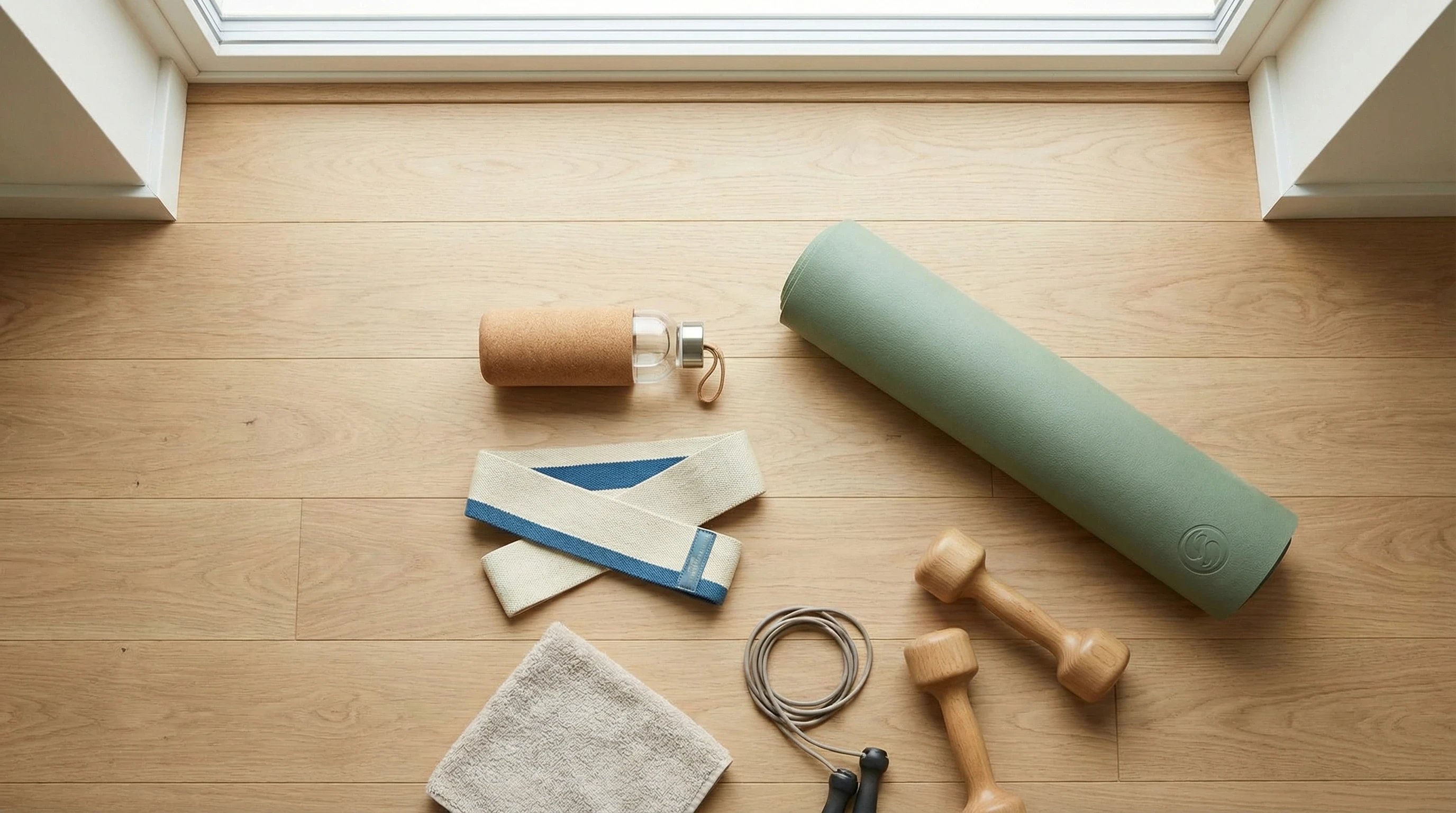
Definitely. Most foundational exercises don’t need special gear. I put my own bodyweight to work, grab a sturdy chair, use a backpack stuffed with books, or pick up a couple of water bottles for resistance. Some easy options:
- Bodyweight: Squats, push-ups (even against a wall), lunges, planks.
- Household items: Bags, cans, or large water jugs to add resistance or for carries.
- Floor space: Just a small open area for movement and stretching.
No more excuses—if you have a safe space, you’re ready to roll! Plus, this makes it easy for anyone to start, anytime.
Key Foundational Exercises and How to Do Them
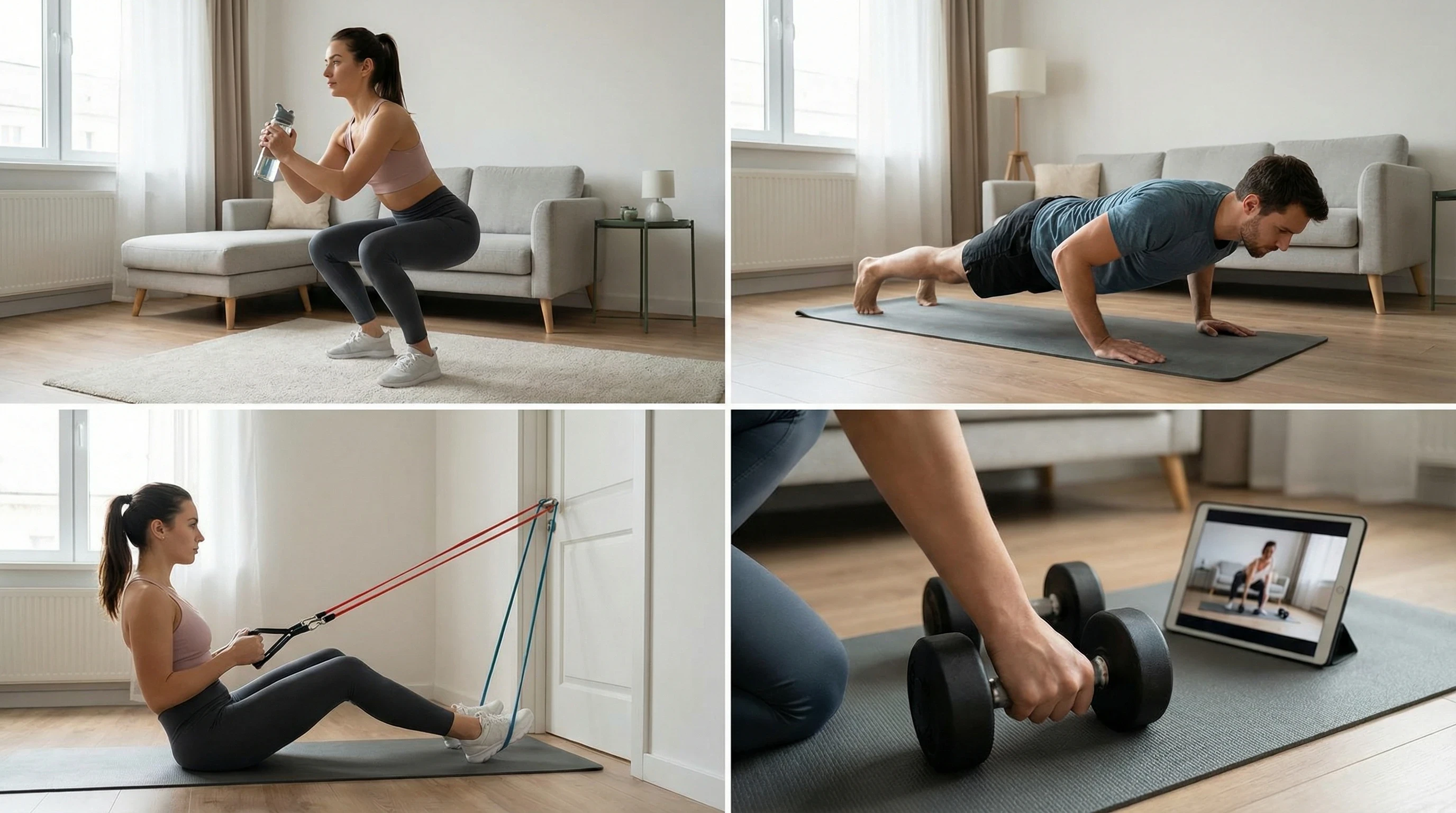
Here’s a beginner-friendly breakdown of essential exercises, what they do, and some tips for nailing your form. These moves cover all the main movement patterns: squat, hinge, push, pull, carry, and core.
1. Squat
- Why: Builds leg and glute strength, improves balance, and makes daily movements easier.
- How: Stand with feet about hip-width apart. Keep your chest up and shoulders back. Push your hips back like you’re sitting in a chair, bending both knees. Go as low as you can comfortably, then push through your heels to return upright.
- Tip: Watch your knees—keep them aligned with your toes, and don’t let your heels lift off the ground.
2. Hip Hinge (Bodyweight Deadlift or Good Morning)
- Why: Trains safe bending for picking things up and protects your lower back.
- How: Stand tall with feet hip-width apart. Soften your knees, push your hips back, and hinge forward while keeping your back flat. Stop when you feel a stretch in your hamstrings, then return to standing.
- Tip: Keep your head, shoulders, and hips lined up. Avoid rounding your back.
3. Push (Pushup Variations)
- Why: Strengthens your chest, shoulders, arms, and core muscles.
- How: Start with hands under your shoulders and your body in a straight line. Lower your chest toward the ground (or a wall or elevated surface), keeping elbows close to your body. Push back up.
- Tip: If standard push-ups are tough, use your knees or do them against a wall.
4. Pull (Row Variations)
- Why: Builds upper back, arm strength, and supports good posture.
- How: Use a resistance band, backpack, or laundry detergent jug. Lean forward, support yourself with one hand on a chair or knee, pull the object toward your hip, and control it back down.
- Tip: Keep your elbow snug to your side throughout the pull.
5. Carry (Farmers Carry)
- Why: Improves grip strength, posture, and total-body stability.
- How: Hold two heavy objects (bags or water jugs), keep them by your sides, and walk in a straight line. Stand tall with a tight core.
- Tip: Relax your shoulders and avoid tilting to one side.
6. Core Stability (Plank)
- Why: Builds a strong core, protects your lower back, and supports every other movement.
- How: Lie face down and prop up on your elbows and toes (or knees if that’s easier). Keep your body in a straight line from head to heels. Hold with good form as long as you can.
- Tip: Don’t let your hips sag or your back arch.
How to Know if You’re Doing It Right
Moving safely with good technique is key. It not only helps boost strength, but also keeps injuries at bay. Here are a few easy approaches I use:
- Mirror check: Do exercises facing a mirror so you can spot hunching, leaning, or misalignment.
- Film yourself: Use your phone to record, then check afterward. You’ll learn a lot by reviewing your form.
- Use slow, controlled motion: If you feel rushed or sloppy, slow down each rep.
- Feel the right muscles: Lower back discomfort during squats or hinges is a sign to adjust your range or form.
Quality matters much more than churning out lots of reps. Fewer, better reps build confidence and results.
Troubleshooting and Common Beginner Questions
Can I make progress with just these exercises?
Absolutely. I’ve watched people get strong, coordinated, and confident sticking solely to these moves. They target your entire body and are the best stepping stone to more advanced workouts down the line.
How do I know when to add weight or make it harder?
If 15-20 reps are easy with good control and you finish each set feeling like you could keep going, add more resistance (like a loaded backpack), slow the tempo, or increase your hold during planks. When those last 2-3 reps are tough but doable, you’re making noticeable progress and getting stronger.
What if I feel pain?
Fatigue and a mild burn are expected. But if you feel sharp, stabbing, or sudden pain, stop and rethink your form or reduce movement range. Taking a video can help spot errors. If you’re really unsure, it always pays to check in with someone experienced before pushing through discomfort.
I don’t feel confident—any tips?
- Pick just one move and build up slowly before adding more.
- Focus on progress, not nailing perfection right away.
- Ask a friend to give you feedback or to try exercising together for extra support.
Remember, everyone starts somewhere. Staying positive and tracking even tiny improvements can make a world of difference.
Staying Consistent and Seeing Progress
Sticking to these basics for two or three sessions per week delivers real results. I like writing down a few quick notes—logging dates, exercises, and how I felt afterward. Tracking progress this way can help keep you motivated, especially when the early gains seem modest.
- Start small: Two or three times a week is all you need at the start.
- Be patient: Physical changes and new habits take time. Celebrate your mini milestones!
- Switch it up: Try variations or alter your rep schemes every so often for some variety and interest.
Gradually, these foundational moves get easier and your confidence rises. When these basics feel second nature, adding new challenges becomes fun and rewarding, not intimidating. This is how a strong, healthy lifestyle is built over time.
Quick Start Routine for Beginners
Try this sample workout combining all the movement patterns. Perform each exercise for 2-3 sets of 8-12 slow and controlled reps. Take 45-60 seconds to rest between sets.
- Bodyweight Squat
- Hip Hinge (Good Morning)
- Wall Pushup or Knee Pushup
- Backpack Row
- Farmers Carry (walk for distance or time)
- Plank (hold 15-30 seconds, then rest and repeat)
You can adjust by changing reps, sets, or intensity. If you stick with this program for 4-6 weeks, you’ll see real improvements in how strong and coordinated you feel. Don’t forget to note what gets easier each week; these small wins are the building blocks of big change.
Final Thoughts and Next Steps
Starting with foundational fitness moves is one of the simplest and most reliable ways to grow lasting health and physical confidence. Focus first on good form and quality movement, then layer on difficulty as you master each pattern. Logging your workouts, using a mirror or phone for feedback, and consistently showing up—even when motivation dips—are the little habits that help you stick with it.
- Choose a couple of basic moves and practice them this week.
- Use tools like a mirror or video to self-check your technique. It gets easier the more you practice!
- Maintain 2-3 sessions per week, and make sure to note every improvement, no matter how small.
I’d really like to hear your stories and tips too. Which foundational exercise are you most excited to try? Feel free to share what you plan to work on or any questions below. Your thoughts could help inspire someone else to begin their adventure as well!